
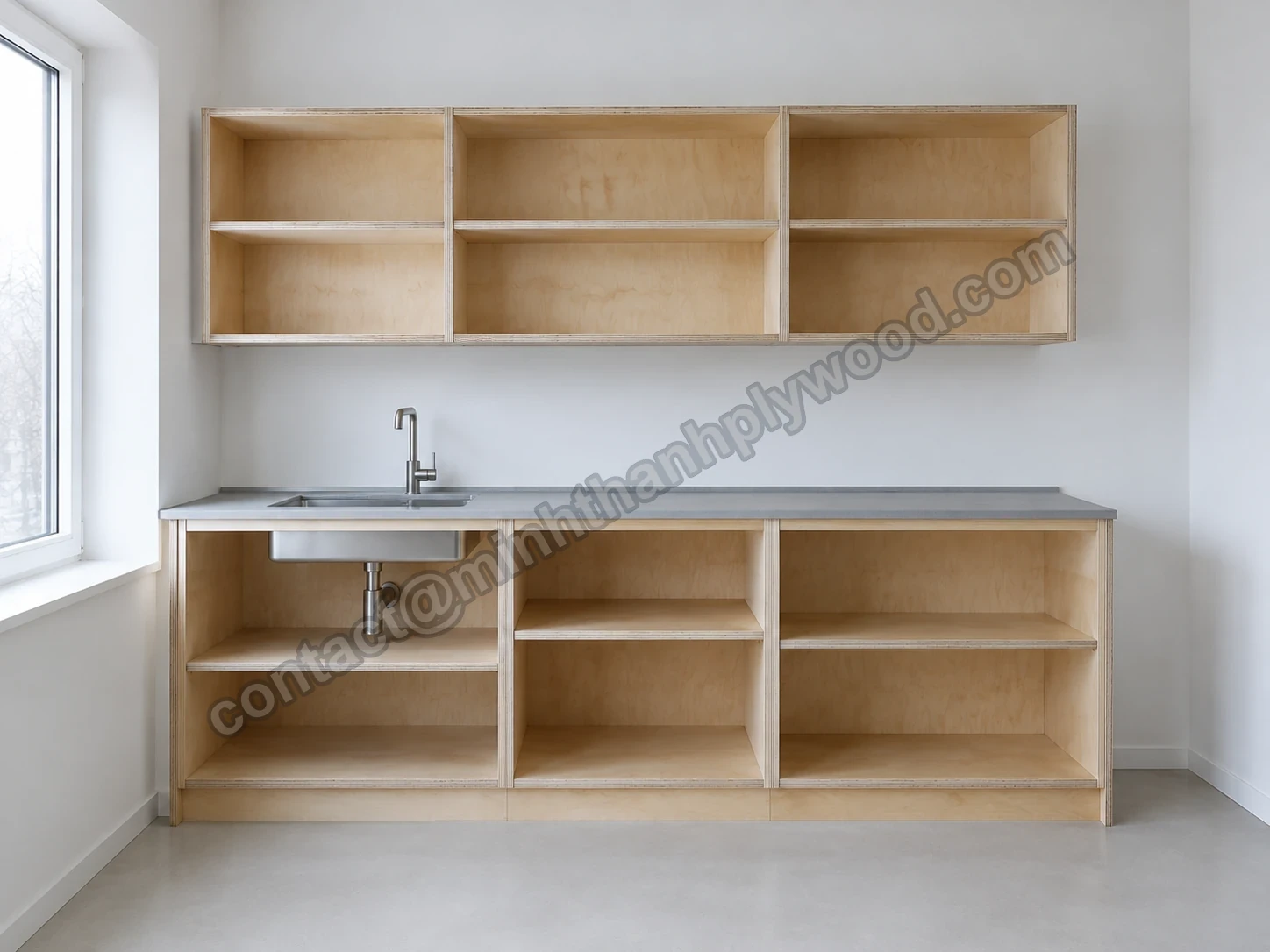
01
Painted utility cabinets
Poplar or Eucalyptus faces under an opaque finish, with the repair allowance judged after primer. The coating sample sets the surface preparation.
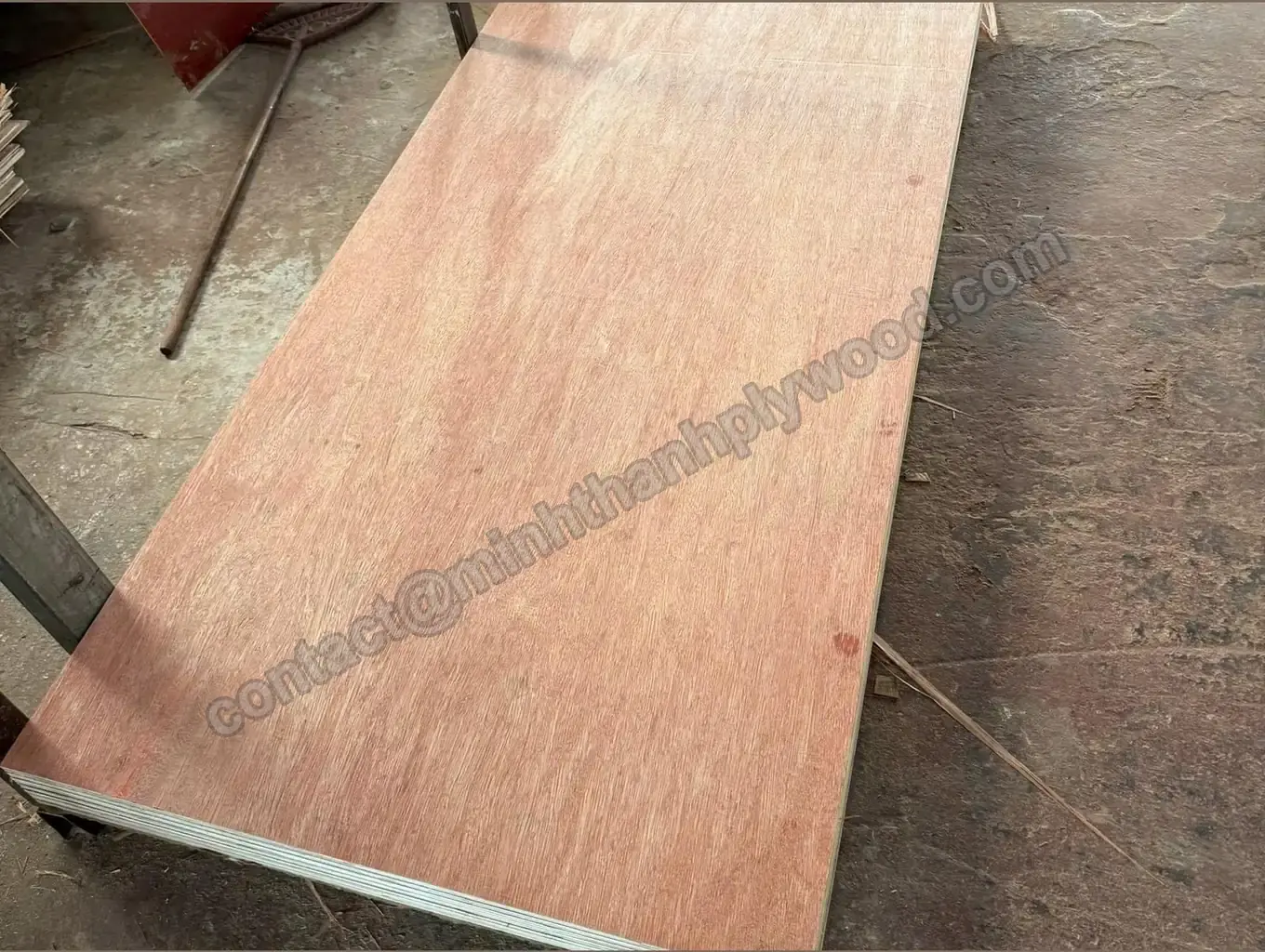
Commercial and packing panels · Vietnam
In short
Commercial plywood is a general-purpose veneer panel for interior fit-outs, covered furniture parts and packing. Minh Thanh Plywood supplies selected faces on Styrax or Eucalyptus cores, with the bond, sanding and dimensions matched to the job. Choose a commercial build for economical covered surfaces, or a calibrated furniture build for precision finishing.
Our production in Ha Hoa, Phu Tho combines locally grown core timber with a wide choice of face veneers. Interior and commercial panels are our main lines, with 50,000+ m³ of annual capacity. A repeat order follows the retained face sample and written construction, so your cutting list can stay consistent from one container to the next.
Video
See how the grade, core and surface preparation affect a commercial panel order, followed by practical inspection and loading checks.
Range
Bintangor and Okoume are established commercial faces. Poplar and Eucalyptus suit painted or covered components, while the packing range concentrates on crate walls and protected goods. Choose the surface that your finished part needs.
Warm natural grain for covered interior parts, paint or selected stained surfaces.
Specify both face and back appearance.
A pink-beige face for commercial fit-outs and furniture substrates.
Choose the core independently of the face.
A quiet pale face beneath paint, foil or decorative laminates.
Poplar identifies the face; Styrax or Eucalyptus goes inside.
Natural pink-brown veneer for utility interiors and covered parts.
Face grade and core species have separate order lines.
Crate walls, dividers and protective components built around the packing drawing.
Unsanded finish and an application-led specification.
A face name identifies the outside veneer. It does not specify the core density, allowable repairs or adhesive. For example, an Okoume-faced panel can be ordered with a commercial core for a covered interior part or as a furniture build for a visible finished surface. Those two quotations should have different construction lines.
Birch, Pine, EV and Gurjan extend the decorative choice when the surface remains visible. Their individual pages show the appearance and grading detail. Sapele is available on request. Construction and exterior panels sit in a separate range, leaving this page focused on interiors, general-purpose components and packing.
Real panels
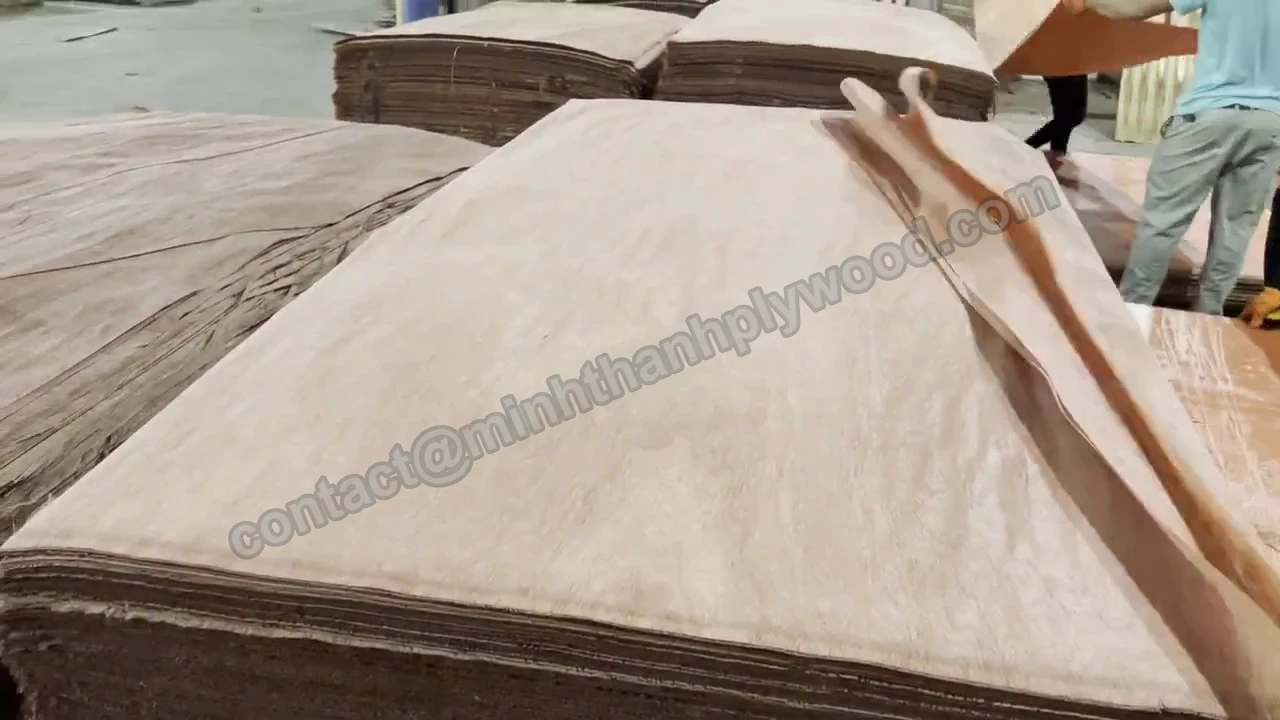
A commercial panel is checked over the full face and at the cut edge. The images show the surfaces, veneer layers and production handling that a small corner sample cannot reveal.
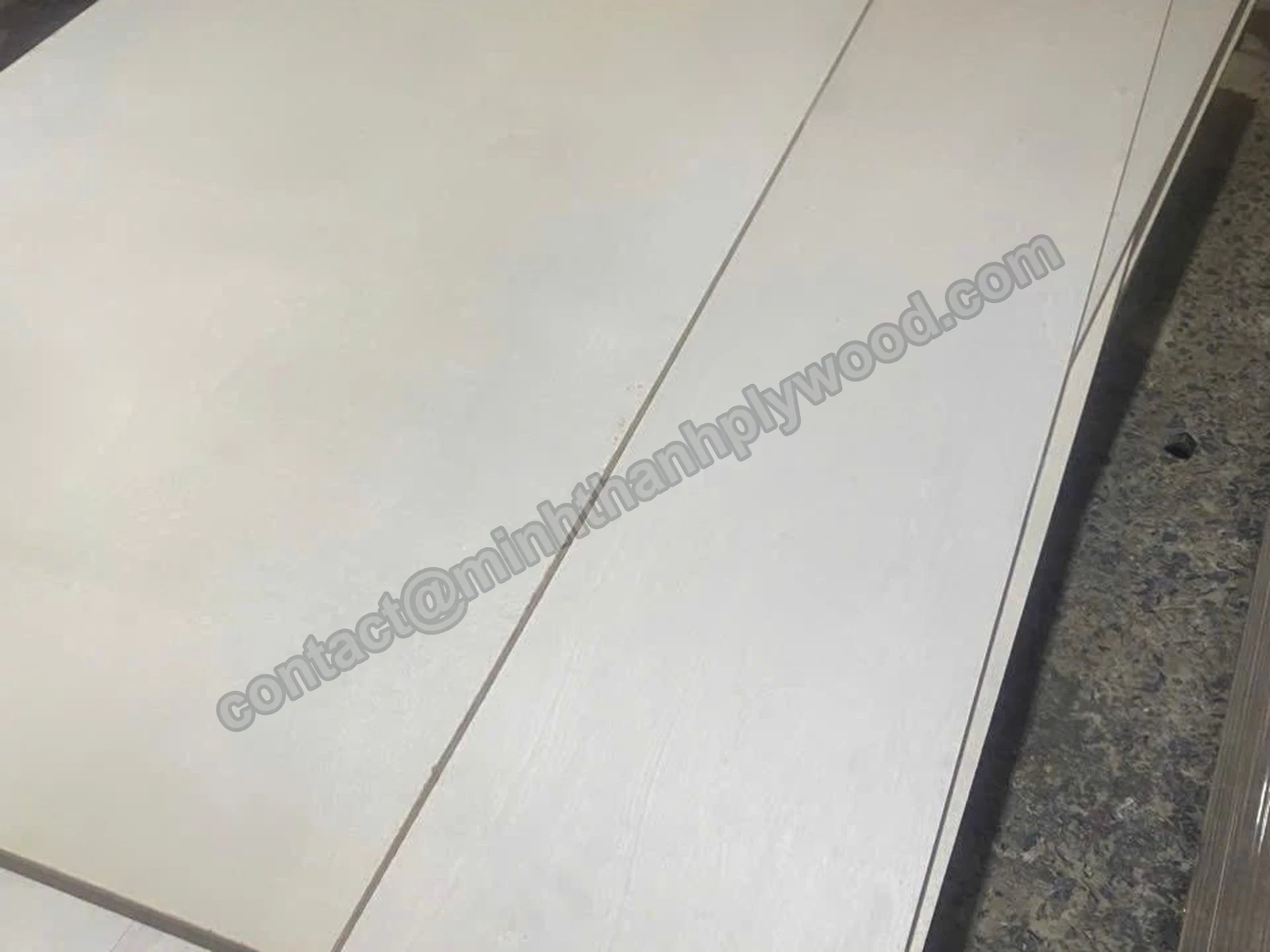
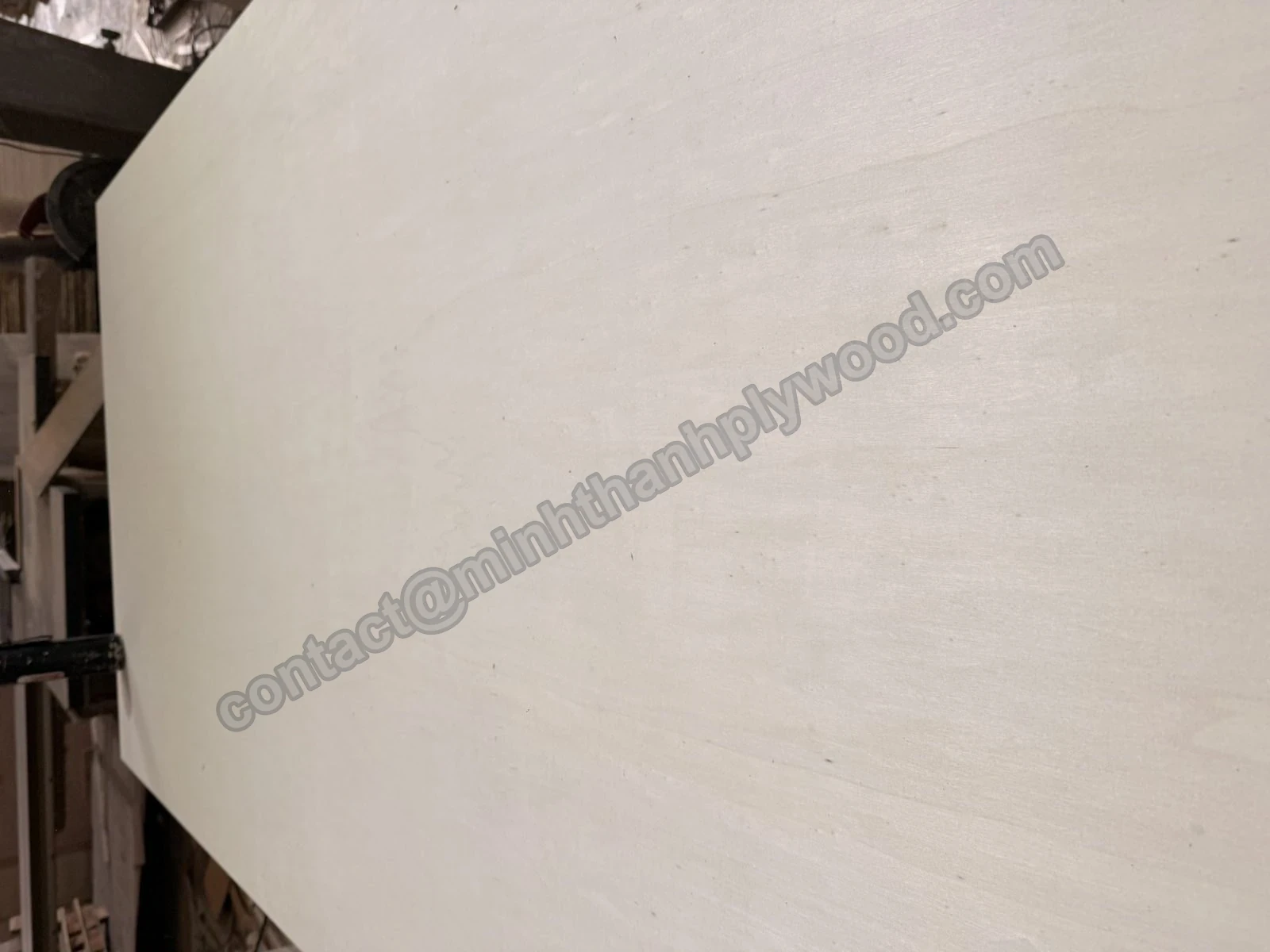
Ask for both sides in the same shipment record. A clear picture of the reverse prevents an economical back grade being mistaken for a matched decorative pair. Keep the face sample with the purchase order and use the same reference when the next production run is graded.
Before loading, we photograph and film each shipment. The record includes panels, bundle identification and the loading sequence. On arrival, the bundle reference connects the physical sheets to that record and to the packing list. This is especially useful when a container carries several thicknesses.
How to choose
Choose the finished part first, then specify the visible faces, core, bond and machining tolerance. A covered divider needs a different surface allowance from a clear-coated counter front, even if both parts are cut from the same thickness.
| Pair / reference | Visible allowance | Typical part |
|---|---|---|
| A/A · Poplar or Eucalyptus | Selected appearance on both faces; natural colour and repairs agreed on the sample | Two-sided visible divider |
| A/B · Poplar or Eucalyptus | Selected face; more visible colour variation or repairs on the back | One-sided visible component |
| B/B · Poplar or Eucalyptus | Sound repaired faces chosen for a covering or paint system | Covered carcass or painted utility panel |
| B/BB, BB/CC, CC/DD buyer codes | Translate knots, patches, splits and colour into a sample specification | Commercial RFQ using another grading convention |
| Part | Trial starting point | Design check |
|---|---|---|
| Supported backs and drawer bottoms | 3–6 mm thin panels; heavier backs may use 6–9 mm | Groove support and assembled load |
| Dividers and light carcass parts | 12–15 mm | Joint type and supported span |
| Shelves and sturdy carcasses | 18 mm | Load, shelf length and hardware |
| Thicker work surfaces | Within the 3–40 mm range | Support frame, finish and overall weight |
For a clear finish, natural colour changes, knots and filled patches remain part of the visible surface. For paint, a repaired veneer can be suitable when the repair stays flush and takes primer evenly. Lamination places greater importance on flatness, sound bonding and a consistent glue-spreading surface. The approved finish sample makes these choices tangible.
Grade pairs describe face and back separately. Poplar and Eucalyptus use A/A, A/B and B/B in our ordering system; Birch uses D+, D and E. Buyer codes such as B/BB, BB/CC or CC/DD need an appearance sample alongside them because the allowances differ between species and suppliers. Keep that code as a purchasing reference and describe the actual repairs and colour accepted.
A knot allowance is an appearance decision, while a core gap concerns the material under the face. One should not be used to excuse the other. On parts with exposed edges, specify the required edge appearance and make a sample cut through the area where hardware will be installed.
For furniture parts, 3–6 mm panels suit supported backs, 12–15 mm suits dividers and light carcasses, and 18 mm is a common shelf and carcass choice. We match the core and calibrated thickness to the furniture component.
Specs
Our commercial build uses AB core veneers, laid loose or jointed, with an unsanded or lightly sanded surface and ±0.5 mm thickness tolerance. A precision furniture build adds the tighter calibration and surface preparation needed by finishing lines.
| Commercial core | AB veneers, laid loose or jointed |
|---|---|
| Core species | White Styrax or Eucalyptus |
| Thickness range | 3–40 mm |
| Thickness tolerance | ±0.5 mm for the commercial build |
| Length / width tolerance | ±2 mm |
| Moisture at dispatch | 8–12% |
| Surface | Unsanded or lightly sanded, specified before production |
| Sheet sizes | 1220 × 2440 or 1250 × 2500 mm; custom sizes |
| Ply construction | 18 mm commonly 11–13 plies; 3–6 mm thin furniture panels always five plies |
| Adhesive and emission | Specify bond requirement and emission class on separate lines |
| Face | Finishing route |
|---|---|
| Bintangor | Paint, laminate or stain following the face sample |
| Okoume | Primer, paint or a selected natural finish |
| Poplar | Opaque coatings, foil and decorative laminates |
| Eucalyptus | Paint, stain or covered utility parts |
| Birch / Pine / EV / Gurjan | Selected visible surfaces; see the face-specific product page |
Commercial panels are supplied at ±0.5 mm thickness tolerance. The furniture upgrade is pressed twice, calibrated down to ±0.2 mm and polished on both faces, ready for the buyer’s own UV coating. Our quality-control process checks the finished thickness and surface before packing.
Both standard formats are useful export sizes. A 1220 × 2440 mm sheet provides 2.9768 m² of face area; 1250 × 2500 mm provides 3.125 m². The larger format gives about 5% more area, but the best choice comes from nesting your actual parts with grain direction and saw kerf included.
Custom formats include 1220 × 2500 and 1220 × 2280 mm. We also cut a sheet into 4, 6 or 8 pieces. The cutting list should identify finished part sizes and the direction of the face grain, with a separate part reference for each size. Kerf and trimming are allowed for before the cut layout is approved.
Comparison
Commercial grade balances the work the panel must do with the surface preparation it receives. Furniture grade serves close machining and visible finishes; packing prioritises the crate or divider; exterior panels add a bond and face specification for the exposure.
| Requirement | Commercial | Furniture | Packing / exterior |
|---|---|---|---|
| Core and surface | AB core; unsanded or light sanding | Grade A core, stitched and calibrated; polished faces | Packing: practical crate surface; exterior: face grade for exposure |
| Thickness control | ±0.5 mm | Down to ±0.2 mm on the specified build | Packing ±0.5–1.0 mm; exterior as ordered |
| Best use | Covered parts and general interiors | Visible and precision furniture components | Crate walls / protected outdoor components |
| Bond selection | Chosen for indoor or humid use | UF at E0 standard for interiors; alternatives to order | Packing environment / water-resistant exterior bond |
| Selection reference | Finished sample and machining trial | Approved decorative sample and calibrated thickness | Packing drawing / exposure and panel specification |
Marine plywood is a separate specification for veneer construction and bond quality. A water-resistant adhesive alone does not turn a commercial sheet into a marine product. Likewise, a general-purpose board is not selected for a load-bearing building element by its face name. A structural design needs the declared panel properties required by that design.
MDF offers a uniform fibre surface under paint, while plywood gives a veneer face and a layered edge. OSB uses oriented strands and suits a different surface and fastening arrangement. Compare the cut edge, finishing route, hardware and actual panel grade before substituting either material on an established cutting list.
Applications
Commercial plywood works well in interior components that will be painted, laminated or concealed, and in packing parts designed around the goods. Specify the face preparation together with the intended finish so the coating operation receives a suitable surface.
Poplar or Eucalyptus faces under an opaque finish, with the repair allowance judged after primer. The coating sample sets the surface preparation.
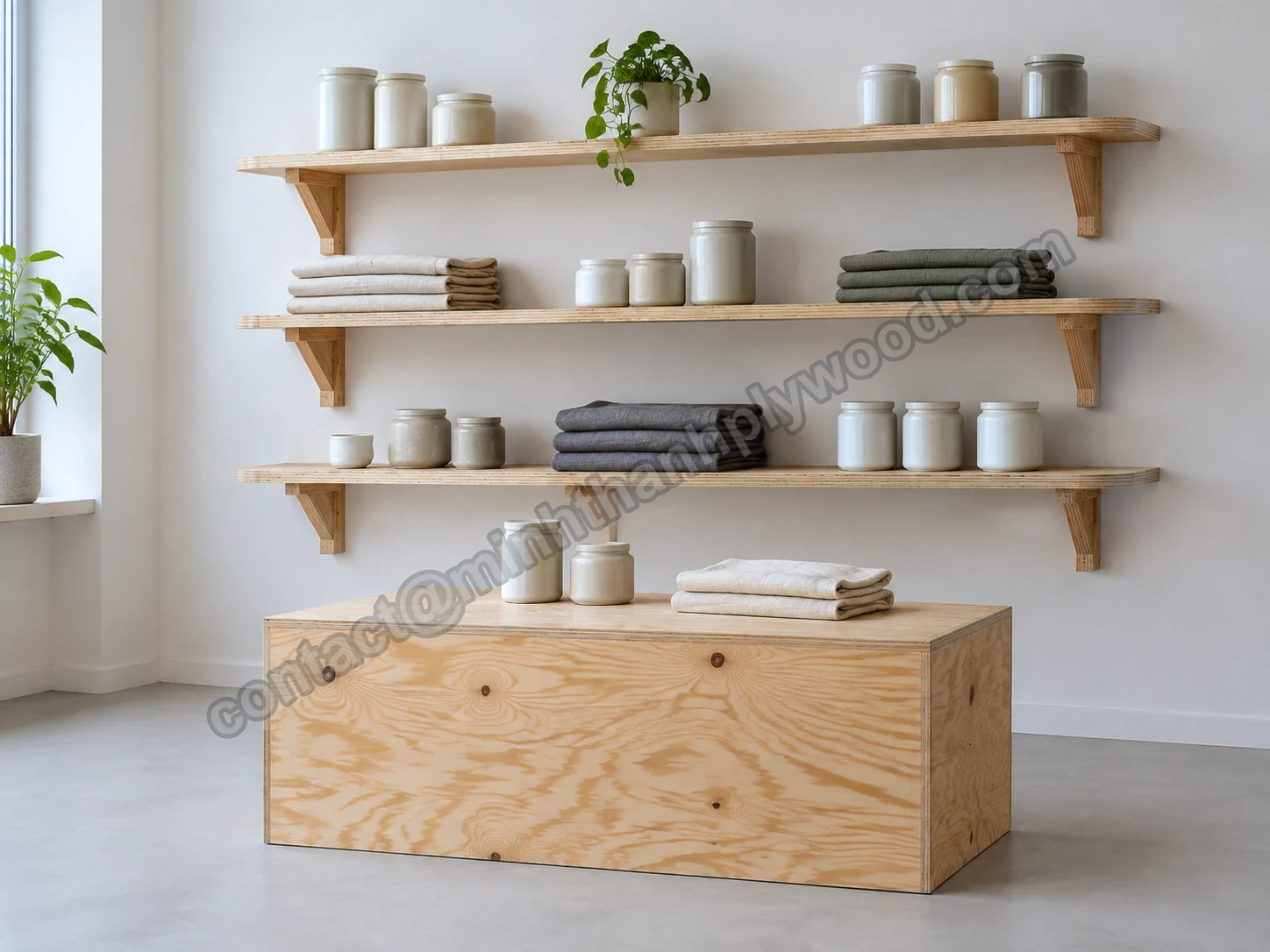
A sound, flat substrate for decorative laminates, with balanced covering and protected cut edges. Record the sanding level before the order.
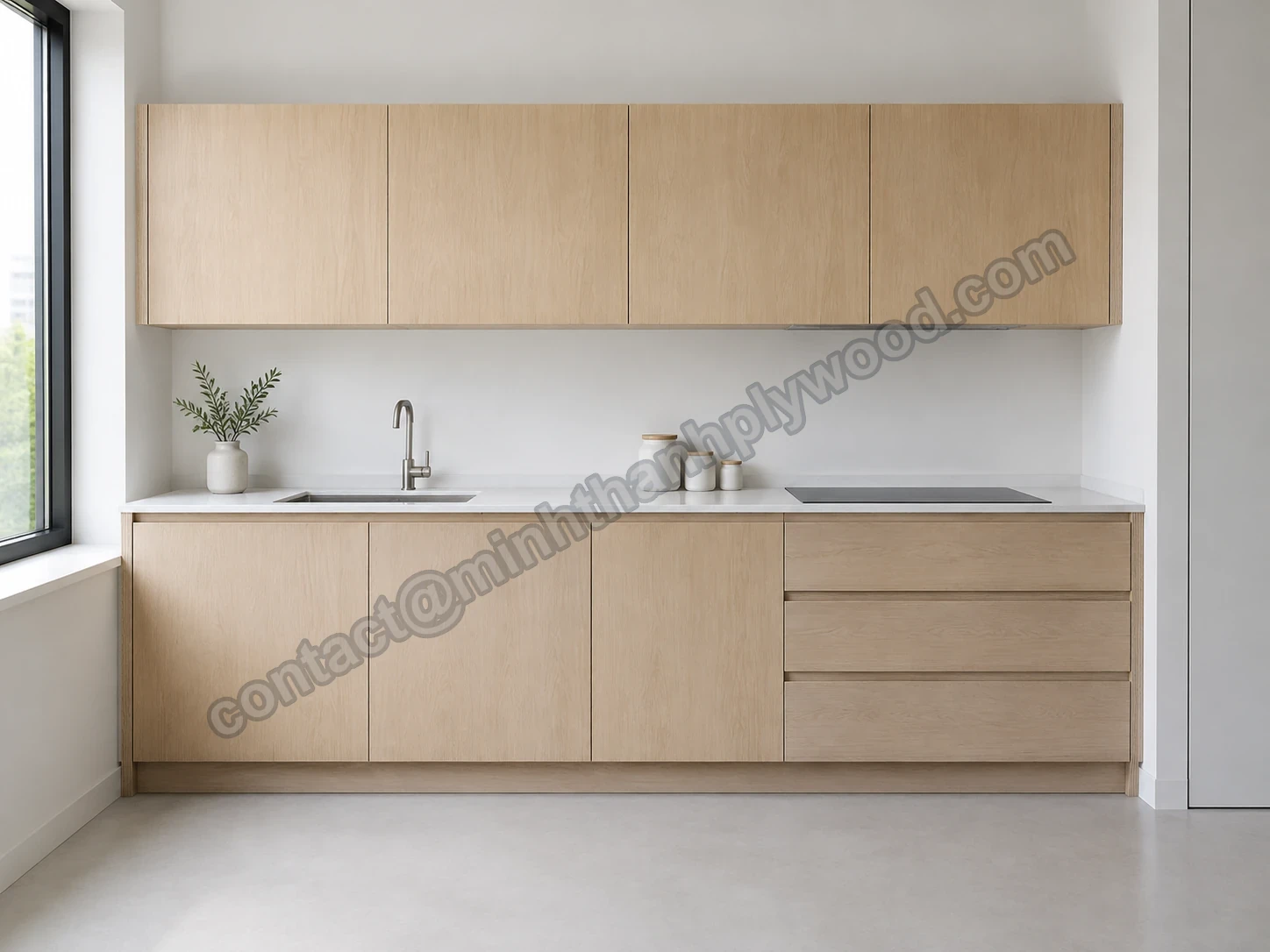
Choose a coordinated face and appropriate sanding for visible fronts. For the finished cabinet, a moisture-resistant bond and protected cuts serve the room conditions.
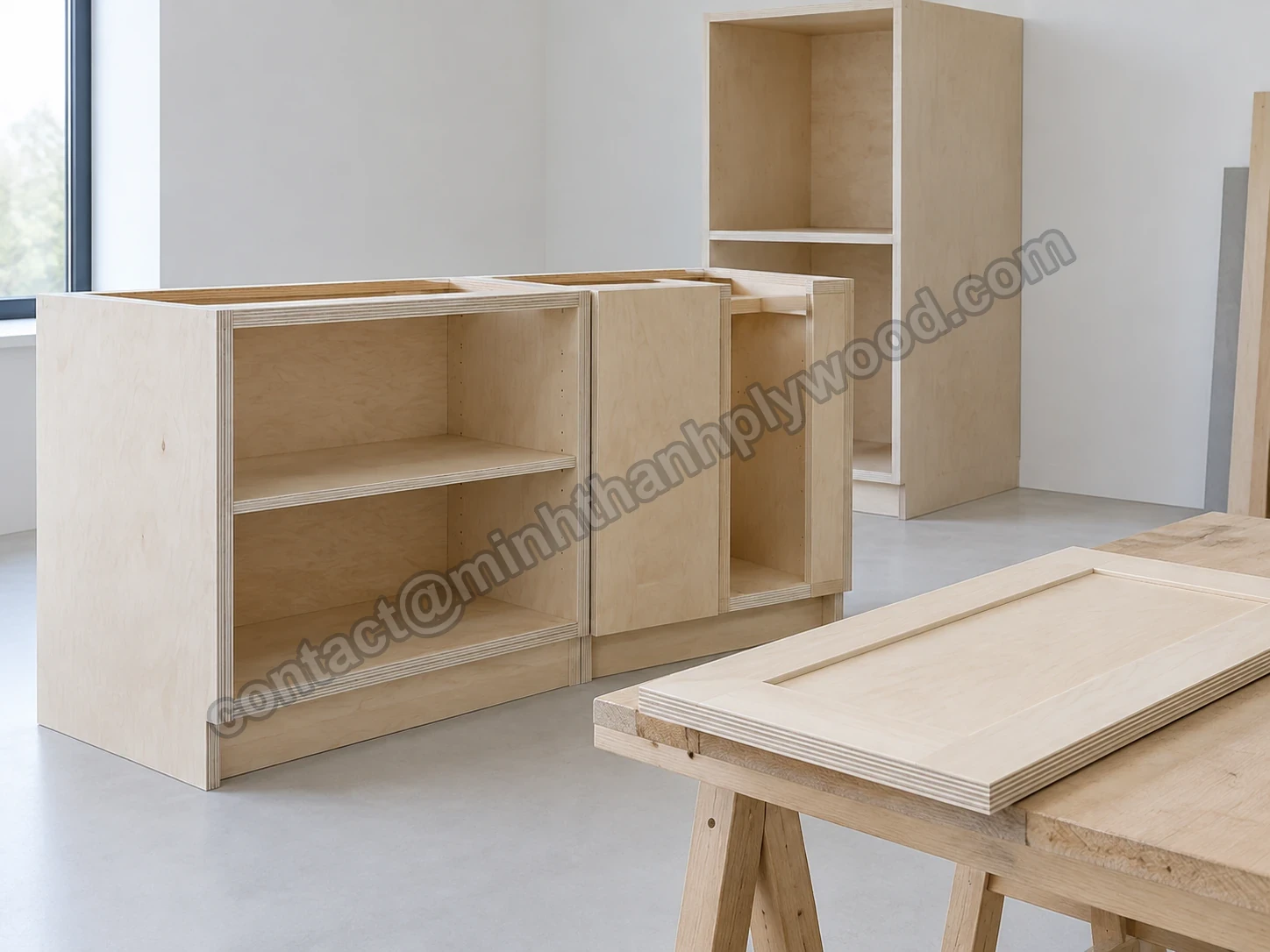
Rectangular parts cut to the assembly drawing, with grain direction and visible sides identified. Hidden dividers use an economical face without changing the agreed fit.
For retail fit-outs, separate the customer-facing skin from hidden carcass parts. The visible surface can use a selected face without upgrading every concealed divider to the same appearance. Match the backs and internal parts by function, keeping the finished thickness consistent where they share a groove or fixing.
Wall linings and partitions use supported panels with clean joints and a face suited to paint or lamination. We trim and prepare the sheets to the dimensions and surface finish required for the installation.
For crates, identify where the plywood encloses the goods and where the timber frame carries them. Local point loads, lifting points and fasteners belong on the packing drawing. Choosing an economical face for the crate wall leaves the budget for the frame and protection where they matter most.
Core glue
Styrax provides a lighter pale core at about 500 kg/m³. Eucalyptus is denser at 650–750 kg/m³. The selected adhesive then answers the moisture conditions, while the emission class and test method address the interior-air requirement.
| Order line | What it controls | What to specify |
|---|---|---|
| Core | Mass, edge construction and machining behaviour | Styrax or Eucalyptus; core quality and jointing |
| Bond | Resistance of veneer joints to the intended moisture conditions | UF, melamine-fortified or phenolic WBP; required test |
| Emission | Measured formaldehyde release | Class, method and purchasing evidence |
| Surface | Coating, lamination and visible appearance | Face/back grade, sanding and approved finish sample |
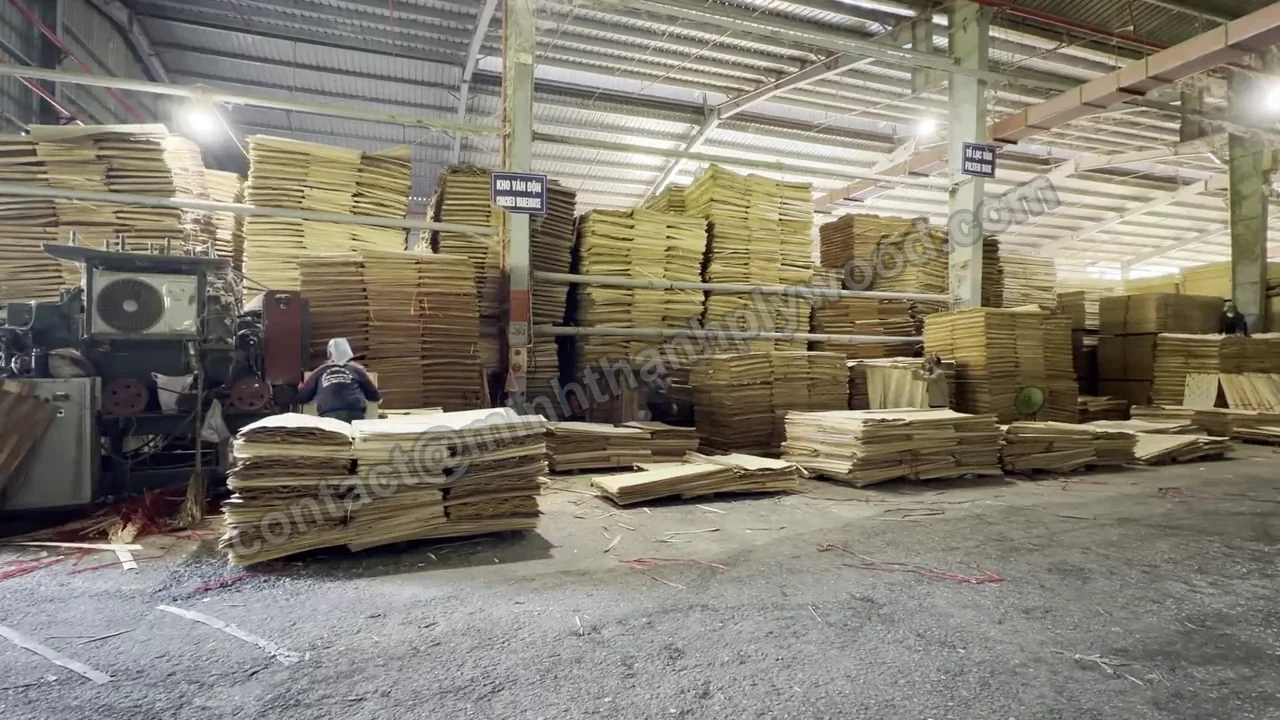
Hardwood core means the internal veneers come from hardwood species; it does not mean every hardwood core has the same density or joint performance. The core name belongs on the quotation. Other suppliers offer Acacia, Poplar or mixed cores, so compare the species and construction rather than treating every pale commercial panel as equivalent.
A denser core changes the resistance felt during fastening, the force required for machining and the weight of the finished assembly. Trial the actual screw, pilot hole and edge distance in the selected panel. Repeated assembly is particularly important for knock-down furniture, where the hardware is removed and fitted again.
At 1220 × 2440 × 12 mm, panel volume is 0.0357216 m³. Estimated weight is 17.86 kg for Styrax or 23.22–26.79 kg for Eucalyptus. At 18 mm, volume is 0.0535824 m³ and weight is 26.79 kg or 34.83–40.19 kg respectively. These calculations use the stated density ranges and are planning figures, with actual bundles weighed for dispatch.
UF bonding at E0 is our standard furniture and interior specification. Melamine-fortified and phenolic WBP adhesives serve water-resistant specifications. Terms such as MR, BWR and BWP occur in different markets; write the required service condition and bond test alongside the adhesive instead of relying on the abbreviation alone.
E0, E1 and E2 are emission classifications, not adhesive recipes or waterproof ratings. The purchasing file identifies the test method so results in different units are not compared as if they came from the same test. For European furniture orders, SGS can test the specified panel to EN 717-1 on request.
Veneer remains responsive to moisture after bonding. A humid-location panel benefits from a suitable surface finish, sealed cuts and details that avoid standing water. Select the complete build for its environment before choosing the face colour.
Six chamber tests (three by Shanghai Hongjun, three by ICTT Vietnam) to ASTM D6007 between April 2025 and June 2026 averaged 0.014–0.032 ppm on 9, 15 and 18 mm panels. UF at E0 is our standard interior resin, with periodic E0 testing every three months.
Qc
Commercial-panel inspection follows the agreed construction from veneer selection through trimming and bundle packing. For a calibrated furniture upgrade, the core is pressed and calibrated before the face and back are pressed on.
Approve the face/back sample and record the core, adhesive, emission method and finished dimensions.
Sort and dry veneer, then prepare the core construction specified for the panel.
Lay the veneers, press the assembly and complete the ordered surface preparation.
Trim and measure thickness, length, width, diagonal agreement and flatness.
Cut a representative sample for edge inspection and the buyer’s hardware or finishing trial.
Photograph the graded sheets, labelled bundles and loading sequence before dispatch.
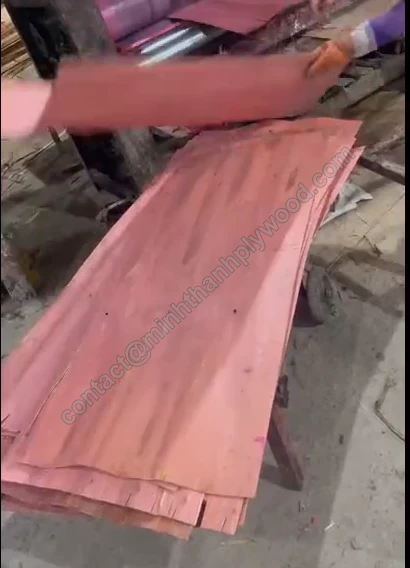
Veneers are peeled, clipped and dried before lay-up. Sorting separates material by the quality required for the core and outer faces. Adhesive is spread before the layers are assembled across the grain and pressed. Trimming establishes the final format, while the ordered sanding level determines the surface sent to your finishing line.
At the inspection bench, thickness is measured at several positions with a caliper held square to the edge. A straightedge along edges and diagonals checks flatness on a supported surface, and both diagonal measurements help reveal an out-of-square sheet. The inspector records readings with the bundle reference.
Fresh sample cuts show core continuity more clearly than a distant photograph of the pack. For routed edges, take the sample through the intended profile. Face inspection then checks repair quality, sanding marks and damage under the light used to approve the finish. A face defect hidden by one coating can remain visible beneath another.
On receipt, compare the package condition and bundle labels with the loading record before moving sheets into production. Select panels from different bundle positions for the first cutting and finishing trial. Keep the reference sample and record any affected area with a full-panel photograph and a close measurement image.
For a repeat programme, retain the same specification revision, face sample and first-part inspection record. Changes to core, adhesive, sanding or packing are written into the next order. This gives both production teams a clear reference when a new container enters an existing workflow.
Certificates
CARB P2 / TSCA Title VI (ICTT 23024), ISO 9001:2015 and TCVN 11902:2017 are held; see our quality documentation.
Packing
A container plan must fit both the available space and the permitted cargo mass. This 40HC example uses 1220 × 2440 mm sheets and our standard plan of 28,000 kg of panels; the payload check, including packaging, uses your booking. Swipe across the table on a phone.
| Thickness | Sheets / full bundle (Styrax) | Styrax / 40HC | Eucalyptus / 40HC |
|---|---|---|---|
| 3 mm | 333 | 5,994 sheets / 53.53 m³ | 4,815 sheets / 43.00 m³ |
| 6 mm | 166 | 2,988 sheets / 53.37 m³ | 2,400 sheets / 42.87 m³ |
| 9 mm | 111 | 1,998 sheets / 53.53 m³ | 1,605 sheets / 43.00 m³ |
| 12 mm | 83 | 1,494 sheets / 53.37 m³ | 1,200 sheets / 42.87 m³ |
| 15 mm | 66 | 1,188 sheets / 53.05 m³ | 960 sheets / 42.87 m³ |
| 18 mm | 55 | 990 sheets / 53.05 m³ | 795 sheets / 42.60 m³ |
| 21 mm | 47 | 846 sheets / 52.89 m³ | 675 sheets / 42.20 m³ |
The geometric reference is a panel stack around 1,000 mm high: divide by nominal thickness and round down for sheets per full bundle. The space layout allows up to 18 Styrax bundles or 15 Eucalyptus bundles. The calculation then reduces sheet counts wherever mass reaches the planning ceiling first.
Styrax is calculated at 500 kg/m³ and Eucalyptus at the reference value of 650 kg/m³. Each bundle is kept the same height when the count is limited. This prevents a table based only on bundle height from promising more cargo than the weight allowance permits.
For example, 18 mm Styrax is planned at 26.8 kg per sheet: 990 sheets in 18 bundles of 55 weigh about 26,520 kg of panels. Eucalyptus is planned at 34.8 kg: 795 sheets in 15 bundles of 53 weigh about 27,690 kg. Two fewer sheets per Eucalyptus bundle account for the difference from the full-height geometric layout.
A 20ft or standard 40ft booking has a different height and load arrangement from a 40HC. It should have its own plan, using the carrier’s equipment limits and actual packing dimensions. Our standard minimum order is a 40HC; the packing calculator helps compare formats without assuming all container types carry the same number of bundles.
Cover sheets, corner protection and strapping protect commercial faces and edges in handling. For cut parts, mark each bundle with its part reference so the receiving team does not have to unpack several sizes to find one. Store delivered panels flat and dry on aligned supports, with the packaging kept intact until the cutting schedule begins.
Terms
Commercial plywood starts from US$250/m³ as of October 2026. The final quotation records face and back, core, adhesive, sanding, dimensions, quantity and delivery basis, so buyers can compare the same material on the same terms.
| Minimum order | 1×40HC |
|---|---|
| Production | 15–45 days after deposit |
| Payment | 30% deposit, 70% against scanned B/L; T/T or irrevocable L/C at sight |
| Delivery | FOB Hai Phong, CFR or CIF |
| Mixed specifications | Usually 1–2; 3–6 by agreement |
| Samples | Free samples |
A price per cubic metre compares material volume, while a price per sheet follows the sheet dimensions and thickness. A lighter core can also change landed cost per usable part because the loading limit may be mass rather than space. Compare the complete cutting and finishing route before choosing the lowest sheet price.
Mixed orders usually contain 1–2 specifications; 3–6 can be arranged in the same container. List the quantity for each construction instead of describing the entire load only by its total volume. Face grade and thickness are part of that line-item description.
The production window begins after the deposit and is separate from sea transit. Share the required arrival date and destination port when requesting the quotation so veneer preparation, inspection and the vessel booking can be scheduled together. Free samples let your team test the finish before confirming the production run.
The shipping file includes the commercial invoice, packing list, bill of lading and certificate of origin, with EUR.1 for EU shipments. Phytosanitary and fumigation certificates accompany the shipment as required, and CIF includes insurance. Draft shipment details are checked before the final document set is issued.
Faq
These answers connect the general trade name to the specification your workshop actually uses.
Commercial plywood is a general-purpose veneer panel used for interior fit-outs, covered furniture parts and packing. Our commercial construction uses AB core veneers with an unsanded or lightly sanded surface and ±0.5 mm thickness tolerance. The face, core and bond are specified separately.
A useful supplier gives a written construction, an approved face/back sample and inspection evidence linked to the shipment. Minh Thanh supplies directly from Ha Hoa, Vietnam, with 50,000+ m³ of annual capacity and photographs and video before loading. Compare the actual specification and repeat-order record.
18 mm is a common starting thickness for shelves and carcasses. The required build follows the span, load and supports: a 1220 × 2440 × 18 mm sheet weighs about 26.79 kg in Styrax or 34.83–40.19 kg in Eucalyptus. Trial the assembled shelf with its intended hardware and load.
12 mm panels suit supported dividers, interior parts and some light carcass components. A 1220 × 2440 × 12 mm sheet contains 0.0357216 m³ and weighs about 17.86 kg in Styrax. Specify the actual support detail and finish before choosing its face and core.
No. Order melamine-fortified bonding for humid use or phenolic WBP for exterior bonding, with protected cut edges. UF at E0 is the standard dry-interior furniture specification.
Commercial plywood is built for interior components and packing, with economical face grades and the chosen UF, melamine-fortified or phenolic bond. Marine plywood follows a dedicated veneer and bonding specification for marine construction.
Yes. Order the face repair allowance and sanding level for your coating or laminate, then approve a finished sample. Furniture-grade calibration is available when the process needs a tighter surface and thickness specification than the commercial ±0.5 mm build.
It means the internal veneers use hardwood species. Minh Thanh offers white Styrax at about 500 kg/m³ or Eucalyptus at 650–750 kg/m³. Those different densities affect sheet weight and machining, so the actual species belongs in the order.
The range is 3–40 mm, with 1220 × 2440 and 1250 × 2500 mm sheets. Custom formats include 1220 × 2500 and 1220 × 2280 mm. Sheets can also be cut into 4, 6 or 8 pieces from an approved cutting list.
Commercial plywood starts from US$250/m³ as of October 2026. Face/back grade, core, adhesive, surface preparation, size, quantity and delivery term set the final offer. Send those details with the destination port for a comparable container quotation.
Rfq
Tell Lisa which parts you make and how they will be finished. Include the core, face/back grade, bond, emission method, sanding, thickness, sheet size and quantity for each order line. We reply within hours.
Email [email protected] or WhatsApp Lisa on +84 988 586 601. Attach up to 3 drawings or specification files.
A useful enquiry names the part and its exposure, such as a painted indoor divider or a covered crate wall. Add the destination port and delivery basis, and attach the cutting list or drawing. The quote then follows the intended part rather than an ambiguous commercial grade label.
For repeat supply, include the existing sample or specification reference and identify any change from the previous order. Free samples are available for the first finishing trial.
[email protected]