
Meranti ply is plywood sold with meranti veneers, but the name does not establish its internal species, bond or marine grade. Buy a defined face-and-core construction for the intended service. Minh Thanh Plywood explains the specification and offers separately described furniture plywood alternatives with Styrax or Eucalyptus cores.
What is meranti ply?
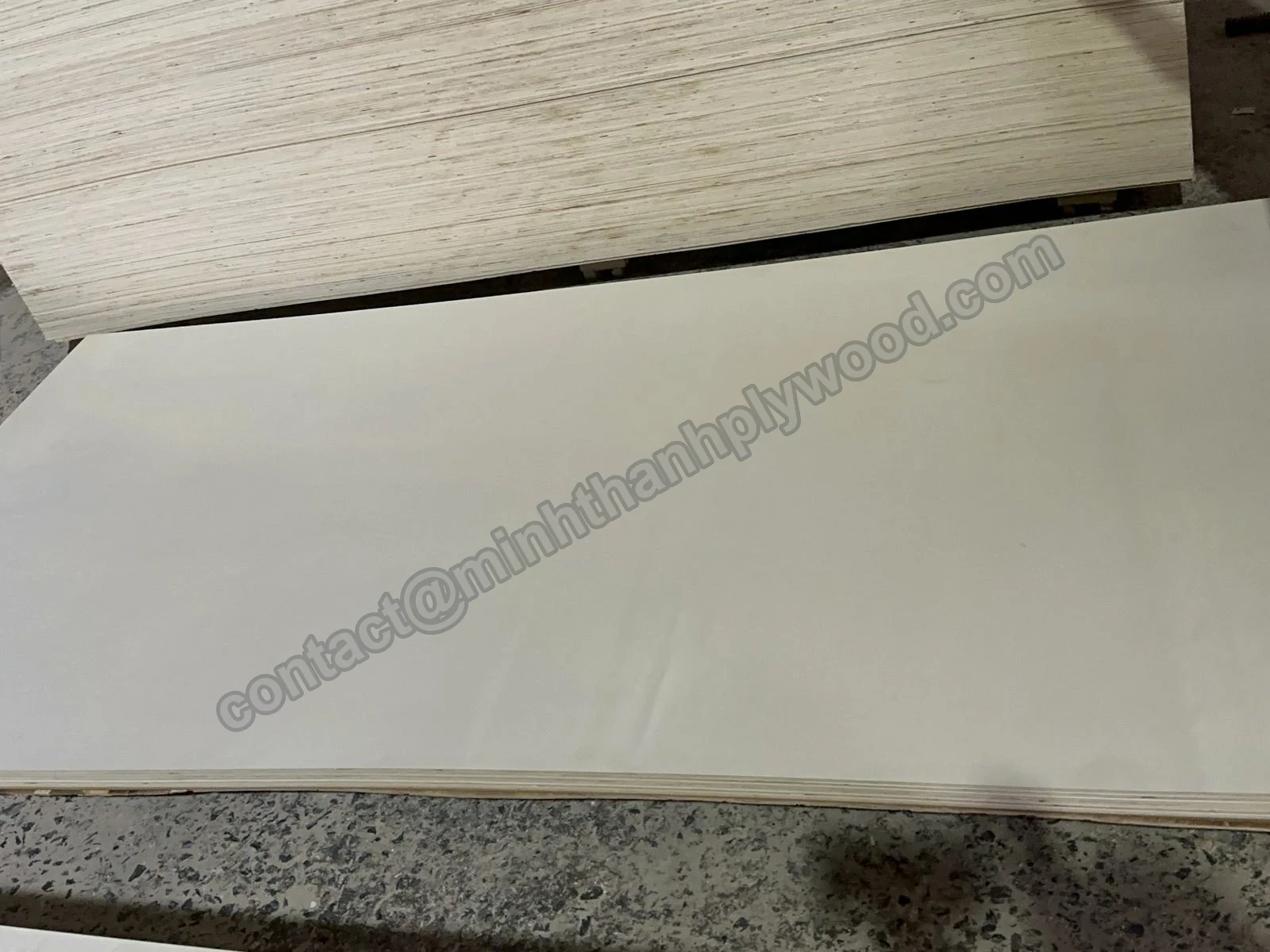
Meranti ply is plywood marketed with meranti wood veneers, arranged and bonded into a panel. The term describes a timber identity in the product; it does not by itself define the entire layup, adhesive or performance grade. A buyer needs the construction behind the name.
A panel can have meranti faces over a different core. Another product can use meranti groups throughout its veneers. Both need a written face, back and internal species description. Inspecting the colour on the broad face cannot establish the wood hidden inside the sheet.
Separate the purchasing questions early. First identify the application and service. Then define the core, bond and required evidence. Choose the appearance within that construction. This order is more useful than selecting a reddish face and later discovering that the actual board differs from the workshop’s approved material.
For buyers comparing several board families, the types of plywood guide explains the wider distinctions. Here, the focus is the meranti construction record: how to read it, what to check in a sample and how to keep a repeat order tied to the material the buyer accepted.
Is meranti a single species or a timber group?
Meranti is a trade name used for timber groups associated with Shorea species, rather than a single botanical species. Group names matter because a broad trade term can include different wood characteristics. Ask for the identification relevant to the offered veneers.
The USDA Wood Handbook, commercially important woods chapter, consulted 8 October 2026, distinguishes meranti groups including light red, dark red, white and yellow. Its timber descriptions provide background for species questions. They do not supply a test certificate for a finished plywood panel.
Put the commercial group and available botanical identification beside the face and core lines on the order. The origin documentation should refer to the material actually offered. This is especially useful when a supplier describes mixed hardwood internal veneers under a familiar face name.
Colour can support an appearance discussion, but it is not a dependable species-control method. A stained face changes the visible colour, and an internal group can differ from the face. Use the product record and agreed origin documents to make species identity traceable through quoting, sampling and receipt.
What is the difference between meranti-faced and through-core construction?
Meranti-faced identifies the visible veneer, while a through-core description extends the stated timber identity into the panel. The buyer should still obtain the exact veneer schedule. Phrases such as “full hardwood” and “full meranti” need a construction definition in the accepted offer.
| Offer description | What it tells you | What the specification must add |
|---|---|---|
| Meranti face | Named visible veneer | Back species and internal species |
| Meranti face/back | Both outer veneers named | Core composition and layup |
| Full meranti | Claimed meranti construction through the sheet | Identified groups, layer schedule and grade |
| Mixed hardwood core | More than one internal hardwood identity | Permitted species or groups and construction |
| Marine meranti | Claimed marine product route | Named standard, edition and product evidence |
| Bending meranti | Claimed forming product | Grain arrangement, bend direction and application |
A sample with attractive faces can hide a changed core. Cross-sections help illustrate the construction, while documents define the permitted materials. Keep both with the approved product code. A supplier replacing an internal species while preserving the face should follow the order’s change-approval route.
Minh Thanh’s veneer grading page reinforces this face-versus-core distinction. The visible wood and the internal panel are separate buying decisions. Make that separation explicit in every alternative quotation.
How should you choose the panel for its intended use?
Choose the panel by the completed component’s requirements, then select a suitable meranti construction. Dry-interior joinery, exposed exterior work and boat hulls need different evidence and detailing. One application list cannot qualify a product for every use on that list.
For a cabinet, define appearance, machining, hardware and emission requirements. A hidden back and a clear-finished door can need different face grades even in the same furniture programme. Decide whether the buyer wants the natural timber figure or simply a repeatable decorative surface.
For exterior joinery, state the actual exposure and finished protection system. Write the edges, joints and penetrations into the drawing. The selected panel bond and the installed component’s water management need to work together. A coating on one face does not describe the entire assembly.
For vessel parts, follow the designer’s required marine material and construction. The order needs the specified panel documents and a clear substitution process. Treat a hull, deck and decorative interior part according to their respective requirements instead of assuming that a marine-labelled sheet resolves every material decision in a boatyard.
How do general meranti plywood and marine meranti differ?
General meranti plywood is specified for its particular service and product grade; marine meranti follows a named marine specification. The timber name alone cannot move a general panel into the marine category. The purchase needs a defined standard and evidence for the offered product.
BSI’s current BS 1088:2018 listing, checked 8 October 2026, describes standard and lightweight marine classes and addresses biological deterioration and bond strength over time. The vessel’s end-use requirements remain separate from those panel requirements.
Obtain the document set that relates to the actual manufacturer, grade and thickness. A certificate for a different named panel should not sit behind a generic offer. Match the technical description, product marking and representative sample before the marine buyer accepts quantities.
The marine plywood buying guide covers that procurement route. For an interior furniture comparison, use the required component performance rather than treating a marine label as an automatic cabinet benefit. A suitable interior board can have a different construction and finish route from the panel specified for a hull.
What does ply count add to a meranti specification?
Ply count adds the number of veneers, but the thickness distribution and grain arrangement explain the construction more fully. Read all three together. A higher number cannot independently establish strength, surface quality or marine acceptance.
The supplier’s schedule should identify the finished thickness and the veneers making up that thickness. Keep face and back thickness distinct from core thickness. Sanding belongs in the manufacturing record because the delivered face must support the buyer’s preparation without exposing the next layer.
A clean edge can show local layering, but thin veneers and glue lines can be difficult to distinguish in a rough cut. Prepare representative sample sections carefully and compare them with the schedule. Record the inspection location rather than making a whole-panel conclusion from one attractive corner.
The marine ply-count article develops the boatbuilding implications. For joinery, the same construction record supports machining and edge appearance decisions. The accepted schedule also gives repeat purchasing a way to identify a material change before parts reach the saw.
How should you evaluate weight without using a universal meranti density?
Use the finished panel’s stated density or measured sheet mass, with its dimensions and moisture condition. A timber group entry cannot establish one weight for every meranti plywood product. Mixed cores and different layups make the product record necessary.
The calculated panel mass is density multiplied by length, width and thickness, with consistent units. Record the source density beside the calculation. If the supplier provides actual sheet mass, state the panel size and conditioning so another buyer can interpret the number accurately.
Component mass includes the finish, edging and hardware. A bulk plywood sheet comparison can be useful for handling and freight, while a completed door or boat part requires its own mass budget. Keep those comparisons separate instead of presenting raw-sheet weight as finished-component weight.
For sample approval, weigh known-size pieces from the offered constructions using the same equipment and conditioning. The result helps assess handling or material consistency; it does not identify the species by itself. Combine mass with the internal veneer description, required properties and the completed-part trial before selecting an alternative.
Which face and back details affect clear-finished joinery?
Clear-finished joinery needs an agreed appearance range for both visible sides. Define colour, grain, repairs and surface preparation using labelled samples. A broad grade letter cannot communicate every visual decision in a furniture programme.
Show the supplier which side is visible on each component. A cabinet door with two exposed sides needs a different approval scope from a wall lining with a concealed reverse. Use the face/back pair consistently in the offer, sample record and packing description.
Inspect a whole sheet or a representative group of veneer leaves when panel-to-panel appearance matters. A small swatch can approve colour but cannot show the figure across a door. Mark grain direction and sequence where adjacent components need a coordinated appearance.
Run the actual clear coat or stain over the chosen face. Look for preparation marks, repaired areas, colour contrast and the intended sheen. Keep an unfinished control with the finished sample. That lets a repeat buyer distinguish a changed veneer selection from a changed finishing process without relying on an old photograph or a screen colour.
What should you check before machining meranti plywood?
Check machining with the actual offered panel and the workshop’s part geometry. The useful result is an accepted edge, hole or profile, rather than a claim that a timber group always machines the same way. Record the setup used for the successful trial.
A sawn edge exposes internal veneer joints and any local gaps. Inspect face breakout and the reverse exit as well as the cut surface. Where the design uses visible layered edges, the internal appearance becomes part of the finished component’s acceptance criteria.
For routing, specify the remaining face and the exposed core. A deep decorative profile can remove the named face completely, changing the appearance at the edge. Trial the feature at its full depth before ordering material for the production run.
Drilling and hardware installation need the chosen panel thickness and connector system. Test face and edge fixings separately when both occur in the design. The workshop should save the panel code, hardware reference and successful process, giving the purchasing team a repeatable sample decision rather than an unsupported screw-holding comparison.
Is bending meranti plywood a different product?
Bending meranti plywood is a separate forming construction whose grain arrangement and direction are selected for curves. It should be purchased by its own product specification. A decorative flexible panel is not an interchangeable structural marine skin.
Ask whether the supplied sheet bends across its width or along its length, using the supplier’s defined orientation. Mark that direction on the nesting drawing. A layout that rotates parts for maximum yield can put them across the wrong bending direction and change the fabrication result.
Qualify the complete curved assembly. The forming sheet, adhesive, supporting structure and final surface can all affect the accepted result. State the required curvature, visible finish and attachment details. A flat coupon does not show springback, joint appearance or the surface after forming.
For vessel work, retain the naval designer’s approved hull material and laminate schedule. For curved interior joinery, trial the decorative forming product in its intended assembly. These are separate technical decisions even when both products are sold under the meranti name. Put the exact construction on the order to avoid an accidental substitution.
How do adhesive and moisture exposure affect the order?
Specify the bond for the intended exposure and state how the component protects its wood surfaces. Adhesive identity, bond performance and wood water uptake are related but different questions. The purchasing record should answer each relevant question directly.
A general trade description such as WBP does not provide the complete test method or acceptance criteria. Request the named product standard or bond test used for the offer. BS EN 314-2:1993 is the BSI-listed plywood bonding-quality requirements standard. Link the evidence to the actual panel construction instead of accepting a resin name as the entire qualification.
The finished part needs its own coating and edge design. New saw cuts, hardware holes and routed recesses expose material that a factory face finish does not cover. Put their treatment into the workshop sequence before the parts are assembled or concealed.
The plywood water-exposure article explains that distinction in more detail. For a marine panel, follow the vessel’s protection and maintenance details. For a furniture component, specify the intended indoor service and local moisture risks. Choose the complete system rather than expecting one glue term to settle both uses.
What should a B2B sample approval include?
Approve a sample that represents the offered construction and the buyer’s finished part. Combine appearance selection with machining and document review, while keeping their acceptance criteria distinct. Record every decision against one product code.
- Define the component, service and relevant performance requirement.
- Obtain the face, back, internal species and layup description.
- Match bond, emission or marine documents to the offered product.
- Measure thickness and inspect representative faces and cut sections.
- Run the intended machining, hardware and finish process.
- Sign off the accepted component and freeze the material description.
Where panel sequence matters, include more than one face in appearance approval. Where a joint matters, include the actual joint. The sample should answer the buyer’s expensive downstream questions before commercial quantities enter production, instead of merely showing that the sheet looks attractive.
Keep a retained reference set and photographs of the accepted features. Define how a supplier proposes changes to species, face grade, core schedule or adhesive. A repeat order should reproduce the accepted construction or undergo an explicit replacement trial before release.
What documents and receiving checks matter for imports?
Import receiving should connect the purchased construction to the delivered packs and the required documentation. Start with product identity and condition, then complete the agreed inspection. Species descriptions should be consistent across the technical and origin records.
The commercial offer should identify manufacturer, product code, species or groups, grade, thickness, dimensions and bond. Add the documents required for the destination and application. Marine evidence, emission documents and origin records answer different purchasing questions, so give each an identifiable place in the file.
At receipt, record pack marks, damage, wet covers and the agreed sample checks. Keep questioned material separated until its identity or condition is resolved. Save the sample locations and photographs, allowing the supplier to trace a finding to an actual pack rather than a general complaint.
Store panels flat with appropriate support in a protected location. Keep the labels with opened stock and carry the material code into cut parts. For mixed orders, similar reddish faces should not become the inventory system. Use the accepted product description to distinguish constructions through unloading, storage and production.
When should an interior buyer consider a different plywood construction?
An interior buyer can consider another plywood construction when the finished component’s performance and appearance requirements allow it. Compare a documented alternative against the accepted part. A different face or core is a material proposal, not a relabelled meranti product.
Minh Thanh’s furniture plywood uses Styrax or Eucalyptus cores with selected faces. The core veneers are stitched horizontally and vertically. Furniture panels are pressed twice, with core-board calibration before face and back pressing. These are concrete construction details for evaluating an interior alternative.
For a decorative programme needing repeatable figure, engineered veneer plywood offers a separately described face route. Natural timber appearance and engineered figure should be sampled as different choices. Neither should be called meranti when the offered construction is another material.
Keep marine hull requirements outside that furniture substitution. For a dry-interior cabinet line, send the component drawing, existing board description and required finish. The alternative can then be judged by the same machining, hardware and appearance criteria. This produces a meaningful purchasing comparison while keeping the timber identity accurate.
What should you put in a meranti plywood enquiry?
Put the application and full construction into the enquiry, then add the sample acceptance and commercial scope. This turns “meranti ply” into a comparable offer and a usable receiving checklist. It also tells the supplier which proposed changes require review.
Specify face and back species or group, internal composition, ply schedule, finished thickness and dimensions. Add appearance range, grain direction, required bond and applicable documents. For marine use, include the designer’s material callout and panel-standard edition. For bending work, state the bend direction and completed assembly requirement.
Add machining, hardware and the intended finish, followed by sheet or component quantities, packing and destination. If matched appearance matters, attach the panel sequence drawing. Request representative samples linked to the proposed construction, with unfinished and finished references for the chosen production process.
For a separately specified interior plywood alternative, send that component brief through Contact. Minh Thanh offers free samples for its described furniture plywood range. The next buying decision should be based on the panel and finished part the buyer can identify, test and reorder, rather than on a trade name alone.
Buyer questions, answered
What is meranti ply?
Meranti ply is plywood sold with meranti veneers. Its order description should identify the face, back and internal veneers because the trade name alone does not establish an all-meranti construction.
Is meranti one species?
Meranti is a timber trade name covering several groups associated with Shorea species. State the supplier's botanical identification and commercial group when species or origin matters to the order.
Is all meranti plywood marine plywood?
No. General meranti plywood, documented marine plywood and decorative bending plywood are distinct product constructions with different requirements.
Is meranti plywood waterproof?
The relevant bond performance comes from the specified product and test evidence. The finished component also needs an appropriate coating, protected edges and penetration details for its exposure.
What is the difference between meranti-faced and full meranti plywood?
Meranti-faced describes the visible veneer; full meranti is a supplier construction description for the internal veneers as well. Put the face, back and each core species or group into the purchase specification.
Is meranti always heavier than Okoume plywood?
Compare the offered panels' measured mass or density at stated conditions. Different species groups, mixed cores and layups prevent a face name from setting one universal sheet weight.
Can bending meranti plywood replace marine plywood?
Bending plywood uses a construction intended for curves and is a separate product. Boat hull material must follow the designer's required panel construction and marine evidence.
What should I inspect on a meranti plywood sample?
Check the face/back appearance, actual thickness, clean cut sections, veneer schedule and product documents. Run the intended machining, joint and finishing trial before accepting commercial quantities.
Does Minh Thanh manufacture meranti plywood?
Minh Thanh's described range includes furniture plywood with selected faces and Styrax or Eucalyptus cores. This guide does not offer a meranti or BS 1088 panel; send an interior component brief for a separately specified plywood alternative.