
ACX plywood is trade shorthand for an A-quality face and C-quality back with an exterior-type bond description. Order the actual grade, bond classification and construction, especially for weather exposure or structural work. Minh Thanh Plywood explains the buying checks and supplies specified Pine-faced furniture panels and exterior/CDX-type plywood for their respective applications.
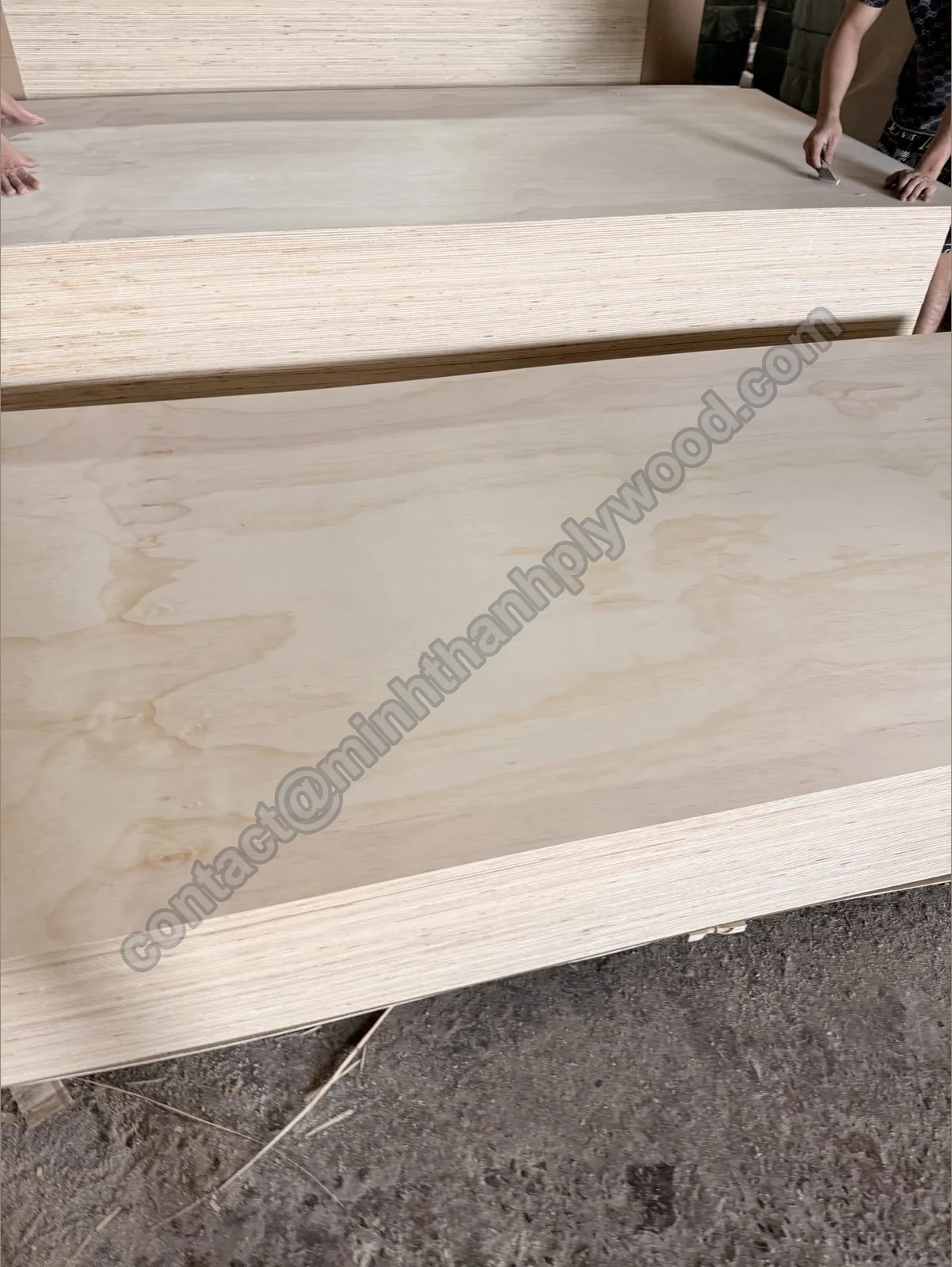
What is ACX plywood?
ACX plywood is a trade name describing an A-quality face and C-quality back together with an exterior-type adhesive description. Its useful feature is the better appearance on one side. The completed product still needs an identified bond classification, construction and standard for the application being purchased.
An appearance-sensitive painted lining has a different specification from a structural floor. Both can be described casually as plywood ACX, yet the buyer accepts them for different reasons. Begin with the part being made, then use the grade description as one field in the material request.
For an order to a structural plywood standard, specify the actual A-C grade and classification shown in the product record. For an appearance order based on an agreed sample, identify the face and back appearance, core and bond explicitly. This distinction keeps familiar catalogue language useful without allowing it to replace a technical requirement.
Minh Thanh’s product range includes Pine-faced furniture plywood and exterior/CDX-type plywood. Those are defined product routes for different jobs. The buyer should choose the appropriate route from the component’s surface, moisture service and performance requirements, rather than treating every sanded sheet as the same product.
This guide covers ACX plywood meaning, the checks behind the label and the order fields that prevent avoidable substitutions. It also shows where paying for an A face earns its cost and where a different construction is a better purchasing decision.
What do the A, C and X describe?
A and C identify the intended face and back appearance levels; X is commonly used as exterior-adhesive shorthand. An order should name the full panel grade and bond service. The initials do not state core species, density, thickness or an approved span.
| Element | Buying meaning | What to put in the order |
|---|---|---|
| A face | Smooth appearance face, with permitted repairs | Governing face grade and representative finish sample |
| C back | Utility reverse with allowed natural characteristics and repairs | Back appearance and whether it remains visible |
| X shorthand | Exterior-type adhesive description in trade usage | Actual Exterior or Exposure 1 classification where applicable |
| Core | Interior construction is not named by the initials | Species/material and panel construction |
| Size | Sheet format is not named by the initials | Actual width, length and thickness limits |
| Performance | Initials do not define the design | Required properties, rating or component trial |
A sample should show both surfaces and a freshly cut edge. Ask which side is the designated face, and preserve that orientation in the nesting or installation instructions. A top face has little value if the component is assembled with the reverse exposed.
An exterior-type adhesive also belongs in a complete panel description. BS EN 314-2:1993 is a separate European standard specifying bonding-quality requirements according to plywood end use. Resin terminology helps explain production, while a classification defines a service requirement. The purchasing team needs the latter when the project depends on a standard.
Keep optional marketing names in the catalogue field. The technical line should remain readable if the marketing name is removed. That makes the material schedule usable by receiving inspectors and by another purchasing colleague later.
Is an A face flawless or suitable for a clear finish?
An A face is a controlled appearance surface with permissible repairs, rather than a promise of uninterrupted decorative grain. Inspect the proposed face under the intended finish. A repair that disappears beneath opaque paint can remain visible beneath clear lacquer.
PS 1-22 Structural Plywood (NIST, 2 October 2023, superseding PS 1-19) defines veneer grades and includes A-C in its Exterior grade table. Its requirements permit specified repairs; it also lists sanded surfaces for that grade. Use the standard’s detailed grading provisions when the order requires conformity, and a separate finish sample for the buyer’s appearance expectations.
For a painted cabinet end, evaluate sanding quality, patch edges and face checking after the actual primer and topcoat. For clear-finished wall panels, evaluate veneer species, grain and repair colour. “A” does not supply the decorative matching instructions needed for a room-wide set of panels.
Compare a representative run of samples rather than the cleanest single face. A full-sheet photograph shows where repairs sit relative to the planned cuts. Close photographs explain a repair or surface texture, but they should accompany the wider view.
Decide whether repairs can be placed in concealed parts through nesting. If that is part of the purchasing strategy, record the allowed repair types and usable-part yield. If the buyer requires a continuous visible surface, select a decorative-face specification that states that need directly.
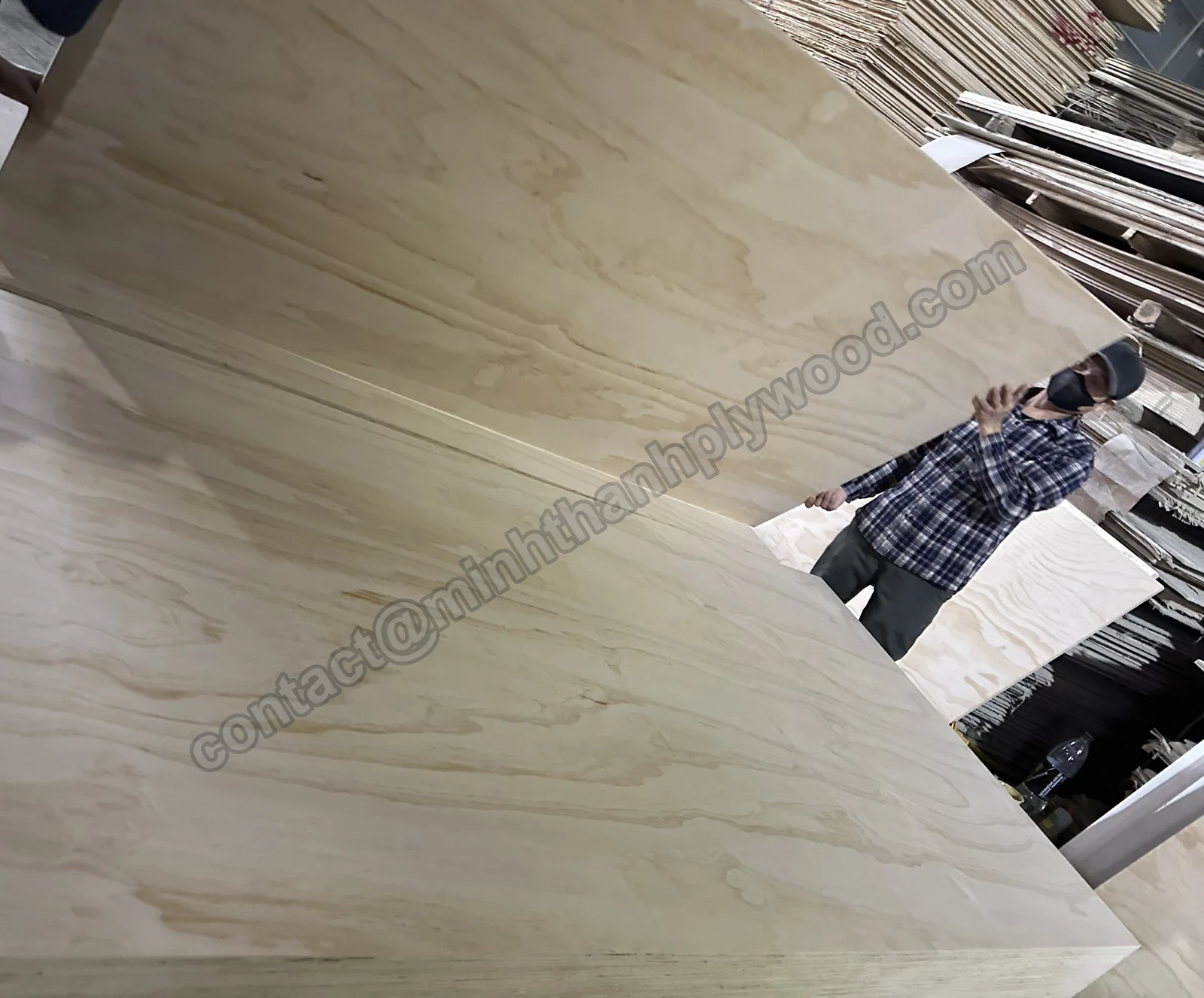
Full face views help a buyer judge the surface across the useful cutting area.
How should you inspect the C back?
Inspect the C back against its agreed appearance and the way it works in the component. A hidden reverse can tolerate different visual characteristics from an exposed cabinet interior. It still needs to perform its role in finishing, fixing or assembly.
Review the back before approving the purchase sample. Mark whether the back faces a wall, stays inside a closed housing or becomes visible when a door is opened. That simple annotation often prevents a one-sided appearance product being ordered for a two-sided part.
For a lining panel bonded to framing, identify contact areas and the attachment method. For a furniture panel, inspect routed areas and the locations of brackets or clips. Evaluate the reverse as part of the whole component rather than describing it only as a cheaper surface.
If both sides will be coated, trial the back with the intended reverse finish. A visually acceptable reverse can still need preparation under a particular coating system. Record the sanding or preparation stage so production knows what arrives ready and what remains for the buyer’s finishing line.
Where two surfaces will stay visible, consider a different face/back pair. Minh Thanh quotes Pine-faced appearance pairs such as A/A, A/B and B/B against the approved sample. These sample-based product choices should retain their own description; selecting A/A does not itself assign a structural standard or agency mark.
Why does Exterior differ from Exposure 1?
Exterior and Exposure 1 describe different panel exposure services. Exterior addresses repeated wetting and drying or continuing weather exposure. Exposure 1 addresses limited exposure, including moisture encountered before permanent protection is provided.
APA’s plywood reference, checked 8 October 2026, explains that Exposure 1 can use exterior-type adhesive while remaining unsuitable for permanent weather exposure. This is why the X in a seller’s shorthand cannot carry the whole buying decision. Read the actual classification in the product record.
For a painted external lining, describe whether rain reaches it directly and whether moisture can collect behind it. For concealed sheathing, describe the weather barrier and final protection. A photograph of the finished elevation alone leaves those exposure details hidden.
Distinguish an Exterior panel from a preservative-treated panel. Bond durability does not establish decay treatment. If the component needs treatment for its service, specify that requirement independently and check that the coating and fixings are compatible with it.
Do not improve an Exposure 1 classification by adding paint in the purchase description. Choose the correct panel for the service first; then define its protective finish and detailing. A coating belongs to the component design and does not rewrite the classification on the underlying product.
The plywood water-exposure guide develops the distinction between a bond and a completed weather-protected component. Keep both visible in the specification when comparing offers.
What is ACX plywood used for?
ACX is considered where one better-looking face serves a practical part, such as a painted lining, utility cabinet component or selected exterior panel. Choose the complete product for that use. Surface quality earns value when it reduces finishing work or rejects on visible parts.
| Intended component | Why consider an A/C appearance pair? | Requirement beyond the face |
|---|---|---|
| Painted internal lining | Better face presented to the room | Finish sample, attachment and service conditions |
| Utility cabinet end | One visible painted side | Core, hardware, actual thickness and back acceptance |
| External soffit or lining | Controlled visible face | Correct panel classification, detailing and finish |
| Concealed structural panel | A face has limited appearance value | Qualified structural product and design requirements |
| Thin floor-covering substrate | Surface condition matters | Specified underlayment accepted for the covering system |
| Concrete form | Face is only one part of the form | Specified forming panel, support layout and release system |
A utility cabinet side with a hidden reverse is a plausible one-sided appearance application. An open shelf has two surfaces and an exposed edge, so its material request is different. A shop counter may need abrasion and cleaning performance from the finish in addition to a smooth starting face.
For externally visible work, consider the expected finish over time. Ordinary veneer can show grain movement or face checking. The buyer’s requirement for a smooth painted appearance may favour a purpose-made overlaid product rather than a sanded face alone.
Temporary use still needs a design. An event platform or work access panel carries people; its short service life does not remove structural or fixing requirements. Evaluate the complete assembly with the specified properties and installation instructions.
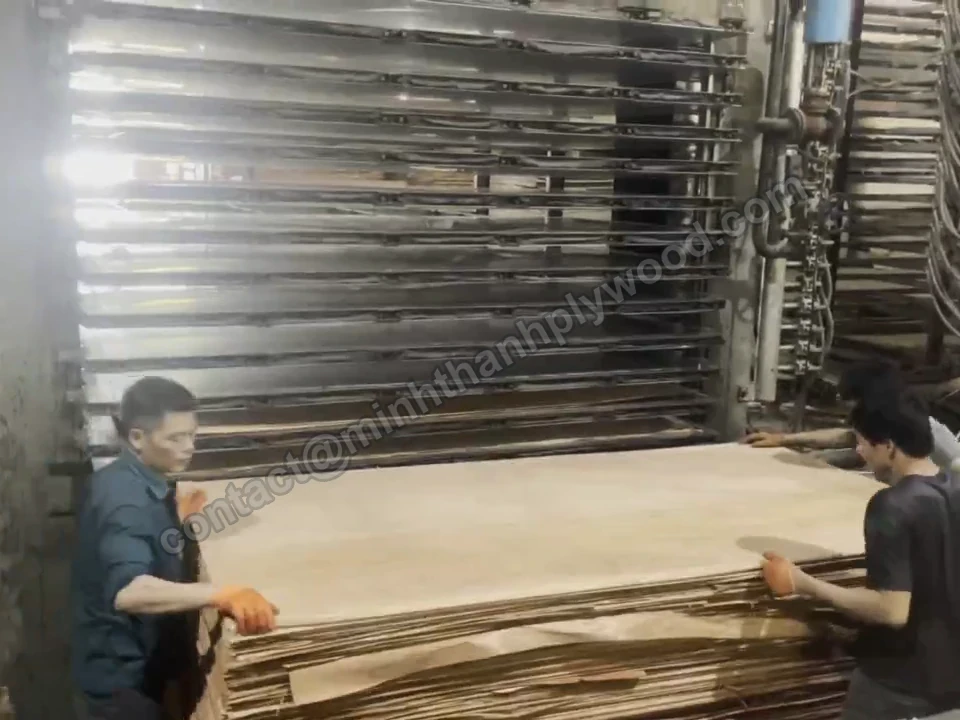
The pressed panel is a complete construction; a selected face is only one part of its specification.
Does the A face establish structural strength?
Face appearance alone does not establish an approved load, stiffness or span. Structural selection needs the specified product’s construction and applicable design properties or rating. The layout of supports and fastenings belongs in that selection too.
A smooth A face can make a structural component easier to finish, but the finish is not the structural acceptance criterion. Begin with the project requirement: sheathing, floor panel, bracing or an engineered component. Then identify the accepted product standard and the documented values relevant to that design.
For a structural procurement schedule, distinguish performance category from actual thickness. Record the species group or span information required for the selected panel and the direction in which it will be installed. A replacement must meet the project requirements as a whole, not merely reproduce the face letters.
For furniture shelves, assess the actual shelf component. Keep the clear span, supported edges, front stiffener and loading pattern unchanged when comparing candidate materials. Evaluate deflection as well as damage because a shelf can become visually unacceptable before a joint fails.
Test attachments in the chosen panel. A wall fastener, face screw and edge screw engage different parts of the construction. Use the specified hardware and production process, including pilot holes and distance from the edge. Record the result with the material revision.
A buyer who needs a structural approval should request that product requirement at quotation stage. Discovering after arrival that the offer described only appearance and bond creates a much harder problem than making the requirement explicit before production.
How do ACX, BCX and CDX differ for buying?
ACX and BCX start with different appearance faces, while CDX names a more utility-oriented C/D pair in trade usage. Compare them on the function they must perform. Keep bond classification and structural acceptance constant before judging the value of the better face.
| Purchasing field | ACX description | BCX description | CDX description |
|---|---|---|---|
| Face/back | A/C | B/C | C/D |
| Visible surface | More controlled appearance face | Sound utility appearance face with permitted characteristics | Utility appearance |
| Two visible sides | C reverse needs separate acceptance | C reverse needs separate acceptance | Utility reverse needs separate acceptance |
| Continuing weather | Require actual Exterior product | Require actual Exterior product | Typical Exposure 1 CDX needs final protection |
| Design acceptance | Selected construction/properties | Selected construction/properties | Selected construction/properties |
| Useful cost comparison | Accepted painted or visible parts | Accepted utility parts after preparation | Accepted concealed or utility parts |
Buy the A face where the approved finish earns the additional material cost. Buy a B face where its permissible characteristics are acceptable in the final part. For a concealed component, appearance expenditure can add little value compared with a qualified utility product.
The price comparison should include preparation and yield. A panel that produces more accepted visible parts can be commercially better even at a higher sheet price. A panel that requires extra preparation can still be the right purchase if those costs are lower than the alternative.
Use the CDX, ACX and BCX comparison for the wider decision and the BCX specification guide when a B/C appearance pair fits the component.
Which dimensions belong in an ACX quotation?
State actual width, length and finished thickness with their permitted limits. Include the commercial size or performance category in a separate field where it is needed. This gives the buyer a recognised product description and a usable machining dimension.
Literal 3/4 in converts to 19.05 mm using the exact 25.4 mm-per-inch factor in NIST’s length reference, checked 8 October 2026. An 18 mm panel is a different specified dimension. Use the declared actual product value when setting the groove, connector or nesting programme.
For a sanded product, define the measuring stage after the supplied sanding process. When the buyer adds a finish, qualify the resulting final dimension as part of the component trial. A panel that fits before lamination can require a different allowance afterward.
Write width and length with the usable-area requirement. An exact factory edge, a trim-to-square edge and an oversized blank generate different cutting yields. Specify the locating edges for CNC work and the direction of the face grain if the finished part relies on it.
A caliper photo is useful when it identifies the sheet, location and instrument contact. Keep individual readings with the sample record. For receiving inspection, use the agreed sampling and measurement procedure; for production fit, also measure the parts that enter the joint.
Minh Thanh’s furniture range includes 3–40 mm thicknesses, with tight tolerance down to ±0.2 mm. Select the actual target and limits for the quoted furniture panel rather than transferring that capability to an unspecified structural product.
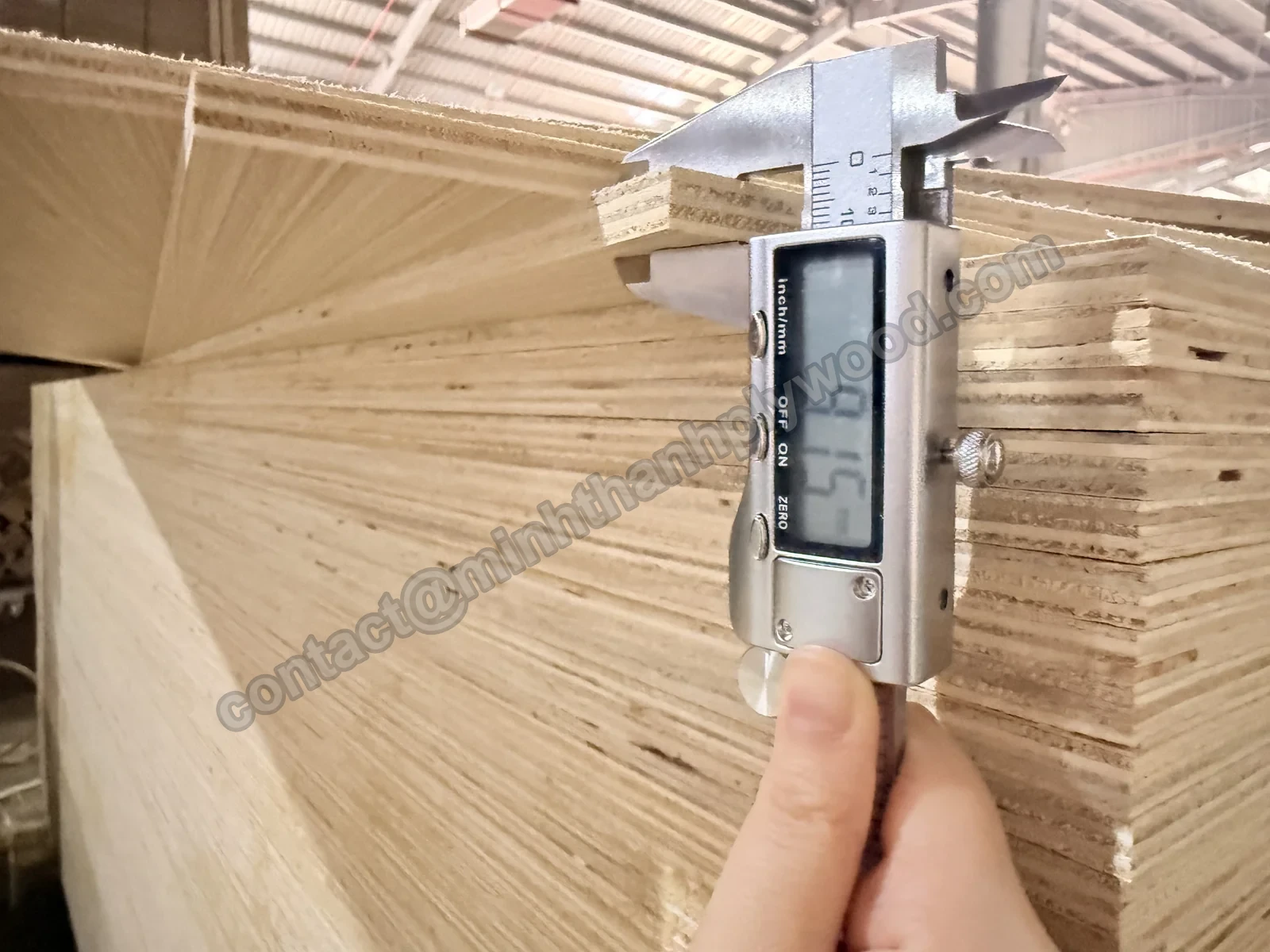
Record the dimension and measuring stage that your assembly process uses.
What should the core and edge inspection show?
The core record should show the actual hidden construction and the cut edge relevant to the part. ACX does not name a core species or provide a universal ply count. Keep those requirements separate from the face appearance.
Request a fresh cross-section from the quotation sample. Inspect the distribution of layers and any openings exposed by the intended machining. A sample with only intact factory edges can miss what appears after a groove or hardware recess is cut.
For an exposed edge, apply the intended finish to a production-cut sample. For an edge-banded part, trial the adhesive and banding system. The useful result is the completed edge, including any filling or sanding the buyer intends to perform.
For a fixed hardware location, evaluate that part of the core after machining. Photograph a cut hinge recess, fixing hole or routed channel where appropriate. This connects the construction record to the component rather than leaving it as an isolated layered-edge photograph.
Minh Thanh’s furniture panels use stitched Styrax or Eucalyptus cores. Core layers are stitched horizontally and vertically. The furniture core board is pressed and calibrated before the face and back pressing step. Those production details belong to the offered furniture construction and help buyers understand the prepared base beneath a selected Pine face.
If a different core is proposed, treat it as a material revision. Keep the face sample, hardware test and dimensional trial with that revision. A familiar ACX name should not conceal a construction change in an established programme.
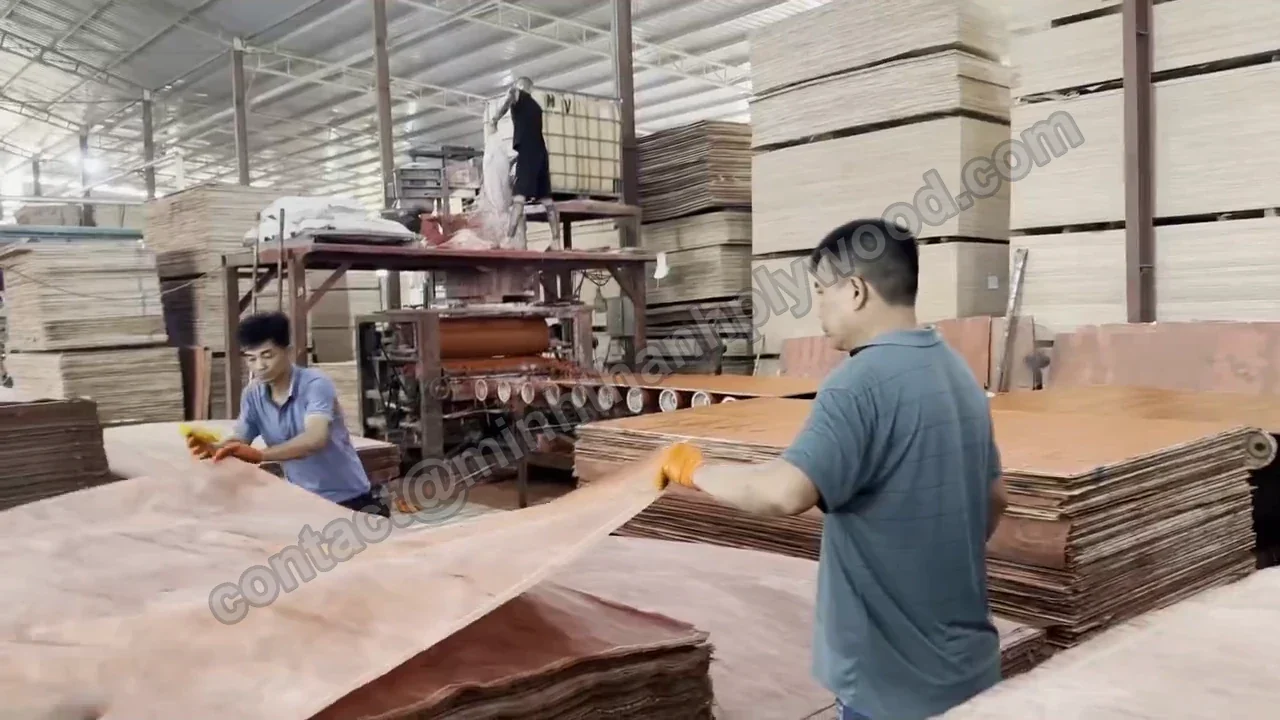
Veneer selection precedes the final panel appearance and construction checks.
How do you approve painting or clear finishing?
Approve a finished sample made with the actual surface preparation and coating system. A raw sanded face cannot show the final visibility of repairs, grain or edges. Include a representative repair in the sample if the accepted grade permits it.
For opaque paint, record the sanding process, primer, topcoat and curing sequence used in the trial. Judge the result under the lighting and viewing distance relevant to the finished component. Look for repair outlines, texture differences and edge telegraphing, rather than evaluating the wet coating alone.
For a clear finish, identify the veneer species and decorative appearance required. An A structural face grade is not the same instruction as a matched decorative veneer set. Approve colour, grain and repaired areas on the whole useful surface.
For an external painted component, follow the coating system designed for that exposure and the panel product’s instructions. Include cut edges, joints, fastener recesses and penetrations in the protection plan. Painting the top face leaves those other moisture paths unresolved.
For high appearance expectations, compare a purpose-made overlaid or decorative product at sample stage. A material chosen for a smooth sustained painted surface should be judged by that finished result. The lowest-preparation substrate is the one demonstrated by the selected coating trial.
Minh Thanh supplies sanded and polished furniture faces prepared for the buyer’s finishing process. The buyer applies the specified coating. Preserve the approved finished sample alongside the raw sample so the production teams share the same reference.
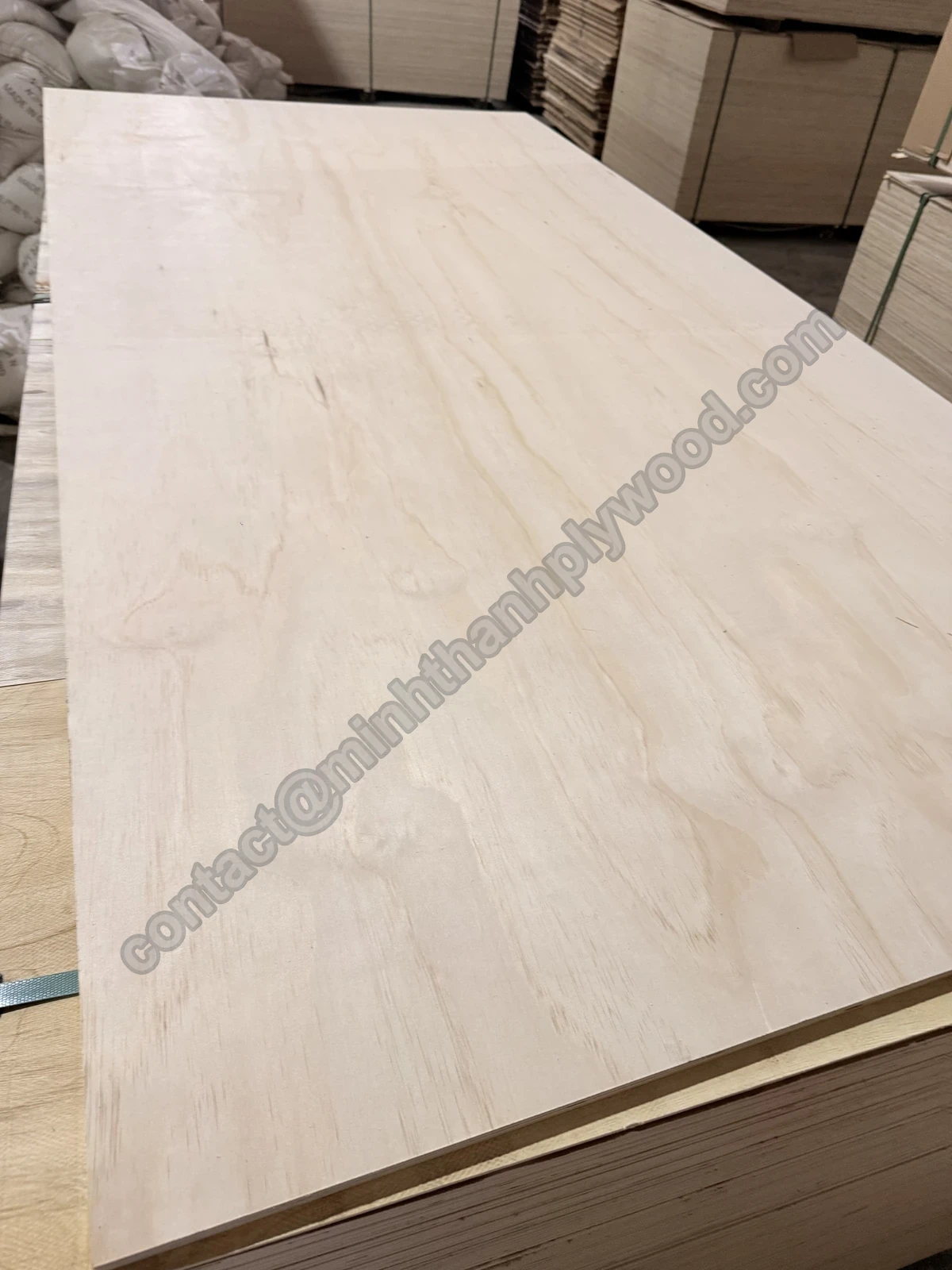
Assess the full face with the intended finish; the picture shows a furniture sheet, not a structural grade stamp.
Can ACX be used for floors or underlayment?
Use a floor panel selected for the floor design and a separate underlayment selected for the finish system where required. ACX appearance alone cannot approve either use. A structural subfloor and a thin substrate beneath resilient flooring have different acceptance requirements.
For a subfloor order, send support spacing, design loads, edge profile and the intended covering. Identify the panel rating or structural properties required by the design. Keep fastening and edge support in the installation schedule rather than assuming they follow from the ACX name.
For resilient flooring, evaluate the underlayment requirements from the floor-covering system and panel instructions. APA’s FAQ, checked 8 October 2026, distinguishes fully sanded underlayment for resilient coverings from other grades. A smooth face is one requirement within a more specific product selection.
Consider the C back and internal construction under concentrated loads or attachment points. The system may need particular veneer or surface characteristics beyond the appearance grade. Order that system product rather than promoting a generic ACX sheet to underlayment by sanding it further.
Keep the quotation explicit about the layer being supplied. “Floor plywood” can describe the structural deck, the substrate under a covering or a finished decorative walking surface. A drawing of the floor build-up prevents those meanings being mixed.
The same discipline applies to roof and wall sheathing. Choose the required structural product and exposure service first. Pay for the A face only if it serves an additional visible or finishing role in the installed assembly.
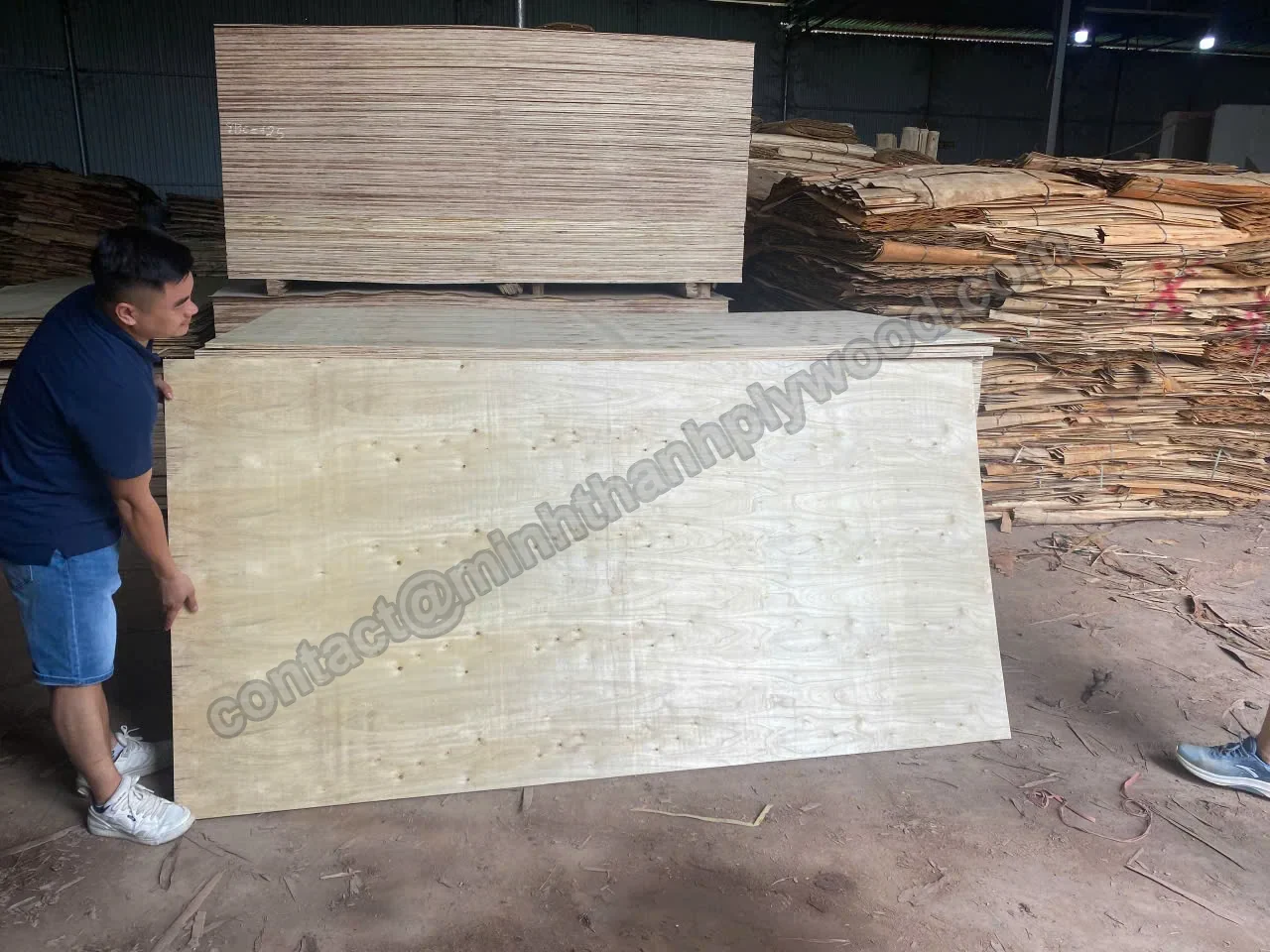
Surface inspection supports appearance acceptance; floor-system qualification uses its own specified requirements.
What needs protecting in exterior service?
Protect the completed component’s moisture paths and provide drainage while using the correct panel classification. Include the face, cut edges, joins and penetrations in the design. An Exterior bond keeps the classification focused on panel service; it does not replace these details.
Start with the water path. Rain can enter a joint, collect along an unsealed edge or remain behind a poorly drained lining. Show the intended flashing, edge cover and fixing locations on the drawing. A coating specification and an installation detail should support each other.
Plan how cut edges are treated after the site or factory cuts. A factory-coated face can be supplied with edges that still require the selected edge treatment. State which party completes that step and how the treated parts are handled before assembly.
Consider the maintenance expectation of a visible painted component. Design access to surfaces that need inspection or recoating. Where a persistent smooth appearance is essential, compare the appropriate overlaid product and finish system before committing to an ordinary veneer face.
Keep preservative treatment independent. Ground contact or another decay-risk service needs the appropriate treatment and design requirement; marine naming does not automatically supply it. If treatment is specified, qualify the coating and fixings for that treated product.
For a supplier comparison, request the product classification and the component protection scope as separate lines. This makes it clear whether the offer supplies an unfinished panel, a finished component or part of an installation system.
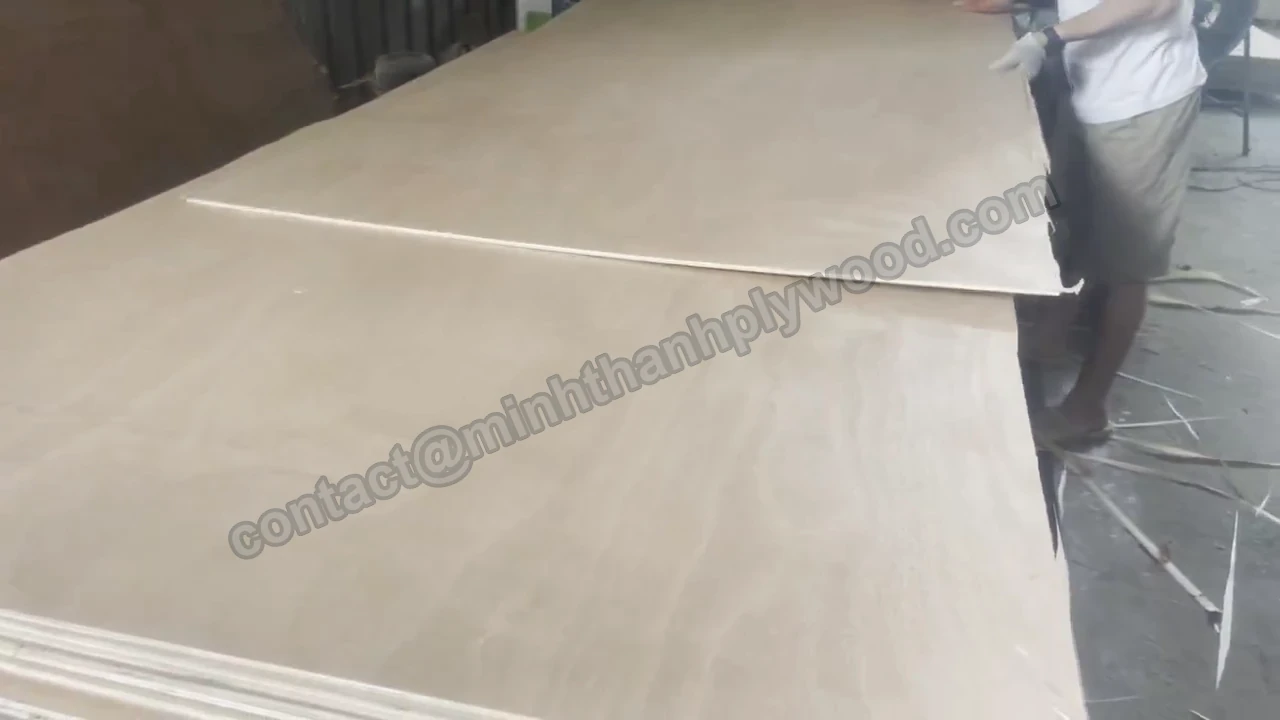
Inspection should evaluate the selected panel against its ordered application and finished appearance.
How should buyers compare the cost per useful part?
Compare total cost per accepted component using the same construction, finish and delivery scope. Sheet price alone omits cutting yield, preparation, finishing and rejects. The additional A-face expenditure is useful when it improves the accepted part result.
Set up a trial cut list and inspect the finished parts. Record material consumed, useful pieces, extra surface preparation and rejected components. Separate damage in handling from defects in the supplied material so the calculation leads to the correct corrective action.
Use a consistent cost basis. A square-metre quotation, cubic-metre quotation and per-sheet quotation can be compared once the actual panel dimensions are defined. Add packaging and freight on the same delivery term. Do not compare a delivered offer with a port-only offer as though the difference were entirely material cost.
If a B/C panel meets the finished appearance requirement with little additional work, it can be the better purchase. If a more controlled A face avoids substantial rework on the visible pieces, the extra surface specification can pay for itself. Use the trial’s actual counts instead of an assumed percentage saving.
Split the material schedule when appropriate. Hidden cabinet components and visible end panels do not need the same decorative expenditure. Maintain a clear identification system for the two materials so production places them in the intended parts.
For imports, calculate shipment mass from the selected construction and packaging. A face grade cannot establish a container count. Use the booking and route’s permitted load together with the final pack plan.
What should be checked before shipment and on arrival?
Inspect the delivery against the approved material record, then connect the results to identifiable packs. Check documentation and physical product together. A clear record lets the buyer distinguish a material mismatch, a finishing issue and transport damage.
Before shipment, review the sample reference, face/back selection, actual dimensions and bond documents specified in the order. For a structural product, include the required marks and product identification. Preserve readable photographs of the relevant product information alongside full-pack views.
The physical inspection should cover face appearance, measured thickness and fresh cut edges from the agreed sample plan. Where a programme is fit-critical, compare production joints or hardware recesses with the approved trial. Record individual readings rather than reducing all dimensions to a general check mark.
Check the packing arrangement for the supplied sizes. Bearers should support flat storage, protective boards should protect the visible face, and straps should hold the pack without damaging it. Identify pack counts and orientation on the packing list so receiving staff can unload and segregate materials accurately.
On arrival, photograph pack condition before removing protection. Check for impact, wetting and displaced straps, then compare selected sheets with the material record. Hold a clear identity for any suspect pack while the issue is reviewed.
Minh Thanh photographs and films every shipment before loading. Buyers receive those photos and video. The useful receiving comparison ties that record to the actual pack and the accepted specification, keeping the same material identity through transport and first production use.

Packing records should identify the supplied material and show its condition before loading.
What belongs in an ACX plywood purchase specification?
A complete ACX request names the component, the governing product requirement and the acceptance evidence. The familiar three-letter description can remain as a commercial reference. The order needs the fields that determine what production supplies and what the buyer accepts.
- Identify the component and whether one or both sides remain visible.
- State the required grade and standard, or the sample-based appearance contract.
- Specify actual bond classification and service conditions.
- Name core construction and required structural properties or rating where relevant.
- State actual dimensions, limits, supply finish and usable cutting area.
- Include the intended coating, machining and hardware trial requirements.
- List required product marks and destination documents separately.
- Add quantities by specification, packing, delivery term and destination.
For Minh Thanh furniture products, a Pine face/back pair is selected against the sample over Styrax or Eucalyptus core. Standard furniture production uses UF glue at E0 emission; water-resistant melamine-fortified or phenolic bonds are specified for the required product. The quality page provides the company’s evidence, including CARB P2 / TSCA Title VI certification for hardwood plywood veneer-core products.
For exterior/CDX-type requirements, use the separate exterior product specification. Keep a request for A/C appearance, an agency mark or a structural qualification explicit when any of those is essential. Those fields define the product being requested rather than becoming implied by a photograph or catalogue name.
Send the drawing and material schedule through Contact and include a reference finish sample. Free samples are available. The next step is a quotation for the specified panel and an approval trial of the part it will become.
Buyer questions, answered
What does ACX plywood mean?
ACX is a trade description for an A-quality face, a C-quality back and an exterior-type adhesive description. Put the actual grade and bond classification in the order; a documented A-C Exterior panel is more specific than the shorthand.
Is an A-grade face free of every repair?
No. An A face is a smooth appearance face that allows repairs under its grading rules. Approve a representative face with the intended paint or clear finish if repair visibility matters.
Can ACX plywood be used outside?
Choose a documented Exterior panel for continuing weather exposure and detail the coating, edges and drainage for that use. Exposure 1 belongs to limited exposure; a seller's X shorthand does not replace the classification.
Is ACX plywood waterproof?
A water-resistant bond and wood water uptake are separate properties. Specify the bond service and protect the completed component's surfaces, edges and penetrations; ACX is not a decay-treatment designation.
Is ACX stronger than BCX?
The face-grade difference describes appearance. Compare the panel construction and applicable structural properties or rating for the actual load and support arrangement.
Can I use ACX as subflooring?
Use a panel qualified for the specified subfloor design, including its structural properties, thickness, supports and edge details. An A face alone does not establish that qualification or approval beneath the chosen floor covering.
Is ACX plywood marine plywood?
No. Marine plywood is a separate specified construction and standard; the ACX name does not establish marine conformity. Buy to the marine specification where the project requires it.
Can both sides of ACX be visible?
The C back is intended to a different appearance level from the A face. For two visible sides, select a face/back pair and finished sample that suit both sides of the component.
Does ACX need sanding before painting?
Inspect the supplied sanded surface and follow the coating system's preparation instructions. Trial the actual primer and topcoat on representative faces, repairs and edges before approving production.
Is 3/4 ACX exactly 18 mm thick?
No. Literal 3/4 inch is 19.05 mm, calculated using 25.4 mm per inch. Use the product's declared actual thickness, category where applicable and permitted limits in the purchase specification.
Does Minh Thanh sell APA-stamped ACX?
Minh Thanh's listed range includes specified Pine-faced furniture plywood and exterior/CDX-type plywood. Orders requiring an agency mark or structural standard need that exact product requirement stated separately from the offered appearance and bond.
What should an ACX plywood request include?
Send application, governing grade/standard, face/back sample, core construction, bond classification, actual dimensions and limits, structural requirements where relevant, finish, quantity, packing and destination. Keep required marks and certificates as distinct document fields.