
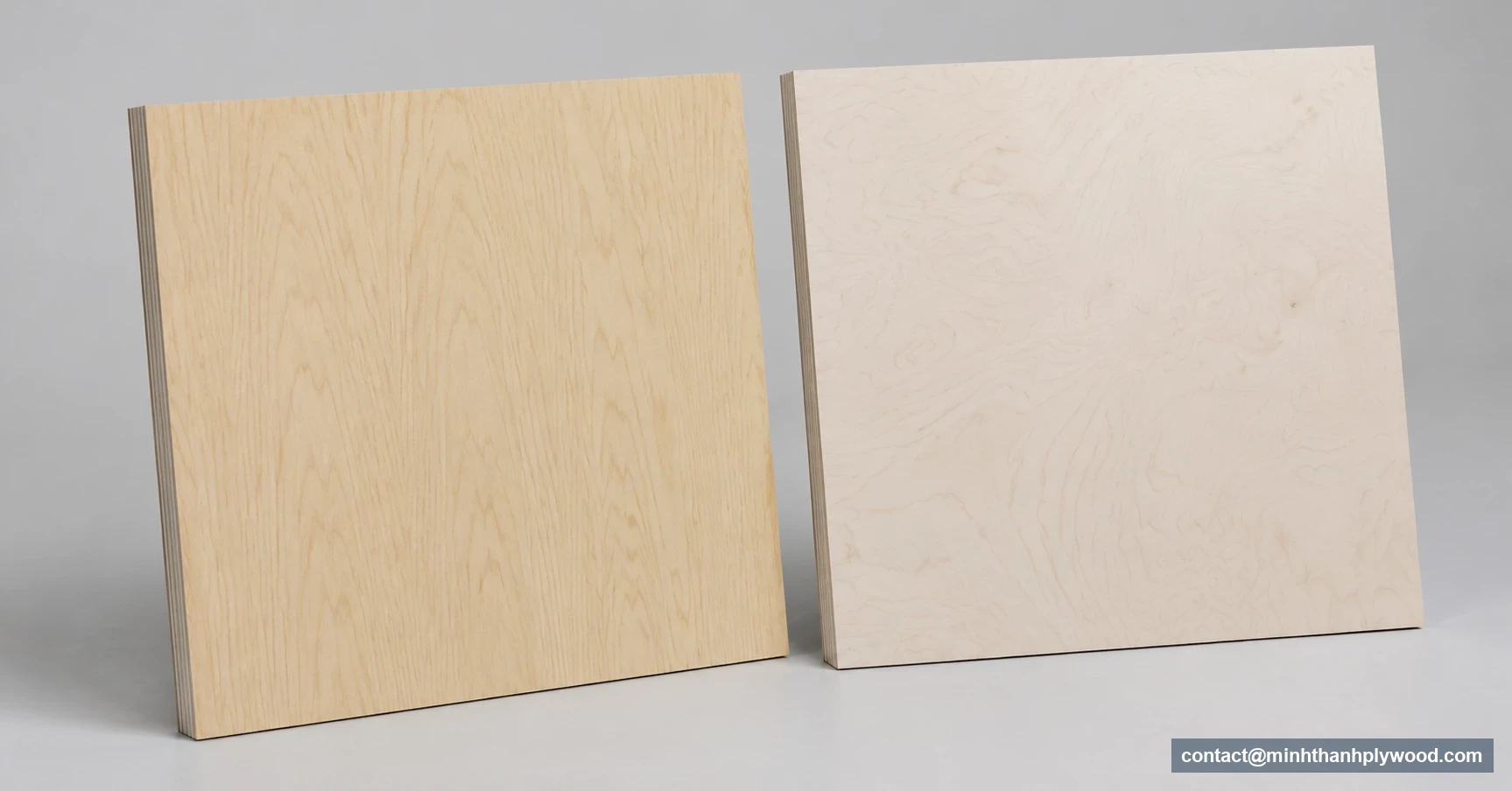
Sande plywood is hardwood plywood sold with Sande veneers; Sande names the wood, while sanded describes surface preparation. Choose Sande for its approved finish and component cost; choose birch-faced plywood when the design calls for birch grain. Core construction controls the panel comparison. Minh Thanh Plywood offers birch-faced furniture panels with Styrax or Eucalyptus cores for buyers evaluating a substitution.
What is Sande plywood, and what does the name tell you?
Sande plywood is hardwood plywood sold with Sande veneers, most commonly associated with the tropical wood Brosimum utile. The name identifies wood used in the panel; it does not define a universal layup, grade or service rating. For an importer, the useful next question is which veneers are on the face, back and inside the quoted sheet.
BC is a face/back grade pair within its grading system; Sande identifies wood. The labels describe different properties, and a Sande panel can carry a grade pair as well. Record the grade system with its permitted repairs rather than translating BC directly into Minh Thanh factory grade names.
A supplier can describe a panel by its decorative face even when the internal species differ. Another product can use the named species through more of its construction. Write the actual arrangement into the specification, including any mixed core. This prevents a face-name comparison from quietly becoming a comparison between unrelated panel constructions.
The manufacturer-published Sande project-panel reference, accessed in October 2026, identifies the Sande tree and distinguishes the name from “sanded.” Use that definition to identify the material, then use the offered panel’s product sheet to establish its intended application. A species description and a finished-panel specification do different jobs.
Minh Thanh’s birch-faced plywood follows the same naming logic: birch is the visible veneer, while Styrax or Eucalyptus is the furniture core. This guide helps a buyer compare an existing Sande panel with that construction. It does not add Sande to the factory’s production range.
Is Sande plywood different from sanded plywood?
Sande names a wood; sanded describes a manufacturing operation that smooths and calibrates a surface. A sheet can be both Sande-faced and sanded. Birch-faced, poplar-faced and pine-faced plywood can also be sanded, so the two words should never replace one another on a purchase order.
Write the surface instruction separately from face species. Specify whether both sides need preparation, which side is visible and which finish follows. The buyer of a painted cabinet back has a different requirement from the buyer of a clear-finished door, even when both ask for a smooth panel.
Sanding also affects thickness and remaining face veneer. A face that feels smooth can still have repairs or local unevenness beneath the finish. During sample approval, inspect under raking light and examine a freshly cut edge. The edge identifies the face and internal layers; the light reveals raised fibres and sanding marks that a face-on photograph hides.
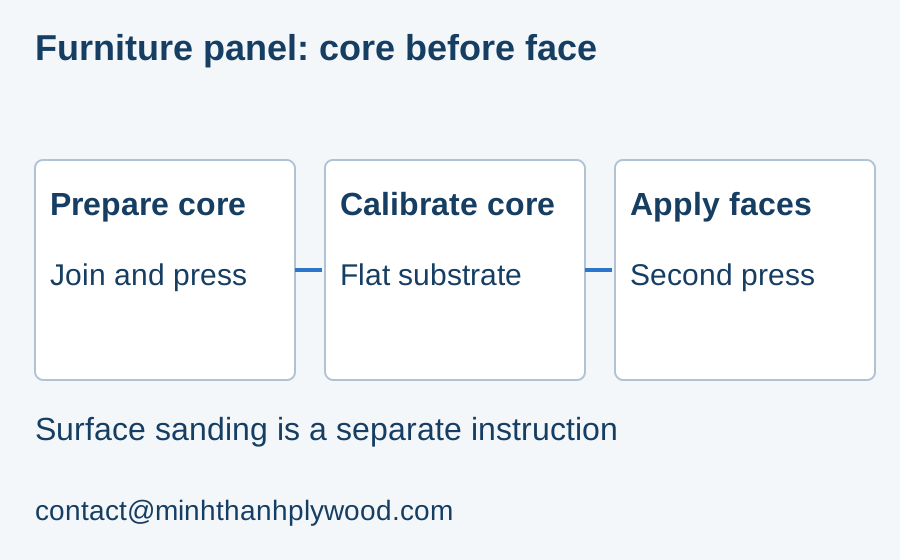
At Minh Thanh, furniture production calibrates the pressed core before applying the decorative face and back in a second press. This sequence prepares the substrate beneath the finish veneer. Final surface preparation then belongs to the ordered panel specification, rather than being inferred from a product name.
Sande plywood vs birch plywood: what should the comparison include?
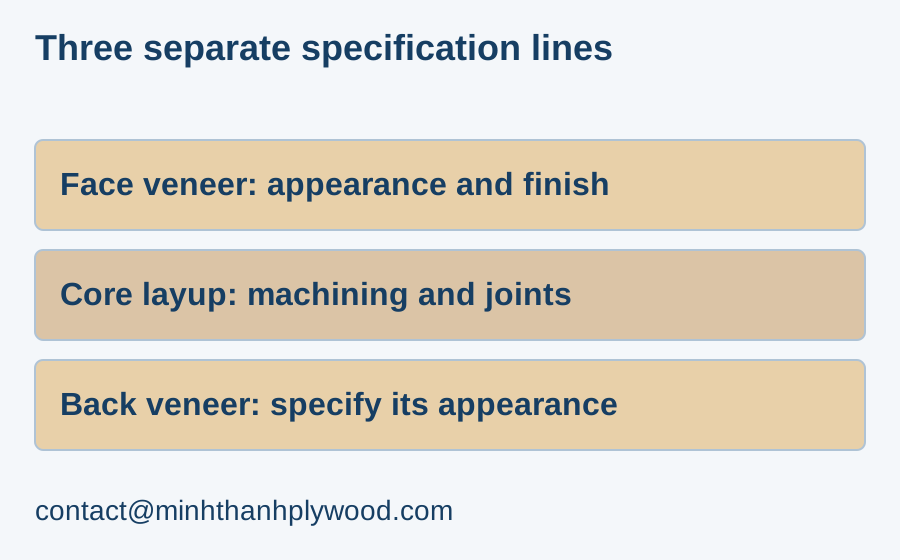
Compare Sande and birch-faced plywood as complete purchased panels, with appearance and core requirements on separate lines. Choose Sande when its approved face and finished-part cost fit the design. Choose birch-faced plywood when the customer wants birch appearance and the specified core passes the component requirements.
| Purchase criterion | Sande plywood | Birch-faced furniture plywood |
|---|---|---|
| Face identity | Sande veneer named in the offer | Birch veneer named in the offer |
| Appearance decision | Approve the supplied Sande colour and grain after finishing | Approve the supplied birch colour, grain and repairs after finishing |
| Internal construction | Obtain the actual core species and layup | Minh Thanh offers Styrax or Eucalyptus furniture cores |
| Cabinet machining | Inspect the offered panel in the intended grooves and drilled joints | Inspect the specified furniture core in those same operations |
| Exposed layered edge | Approve cut-edge continuity and appearance on the supplied panel | Approve the chosen core edge; birch face does not identify internal veneers |
| Shelf performance | Use panel bending data and an assembled shelf trial | Use data for the ordered core and the same shelf trial |
| Humid-service selection | Read the offered bond classification and intended use | Order the bond for the intended service separately from emission requirements |
| Price decision | Current quote plus accepted-part yield and finishing | Equivalent quote plus the same component-cost calculation |
A useful comparison keeps the drawing, finished dimensions and inspection criteria constant. If one quote includes a lighter core and another includes a denser core, record that change explicitly. If one has a decorative back and another has a utility back, the cheaper sheet is offering a different appearance specification.
Use the furniture plywood guide for the component schedule. A comparison becomes actionable when purchasing can identify the exact side, shelf, back or door that each construction will make. Avoid buying a single “best plywood” grade for every part without checking the requirements.
How does Sande appearance compare with birch under a finish?
Choose the face from a finished reference sample: Sande and birch have different grain and colour, and neither becomes visually interchangeable merely because both are pale woods. Inspect the actual veneer cut, colour range and permitted repairs. Match the completed component to the furniture design rather than matching unfinished colour alone.
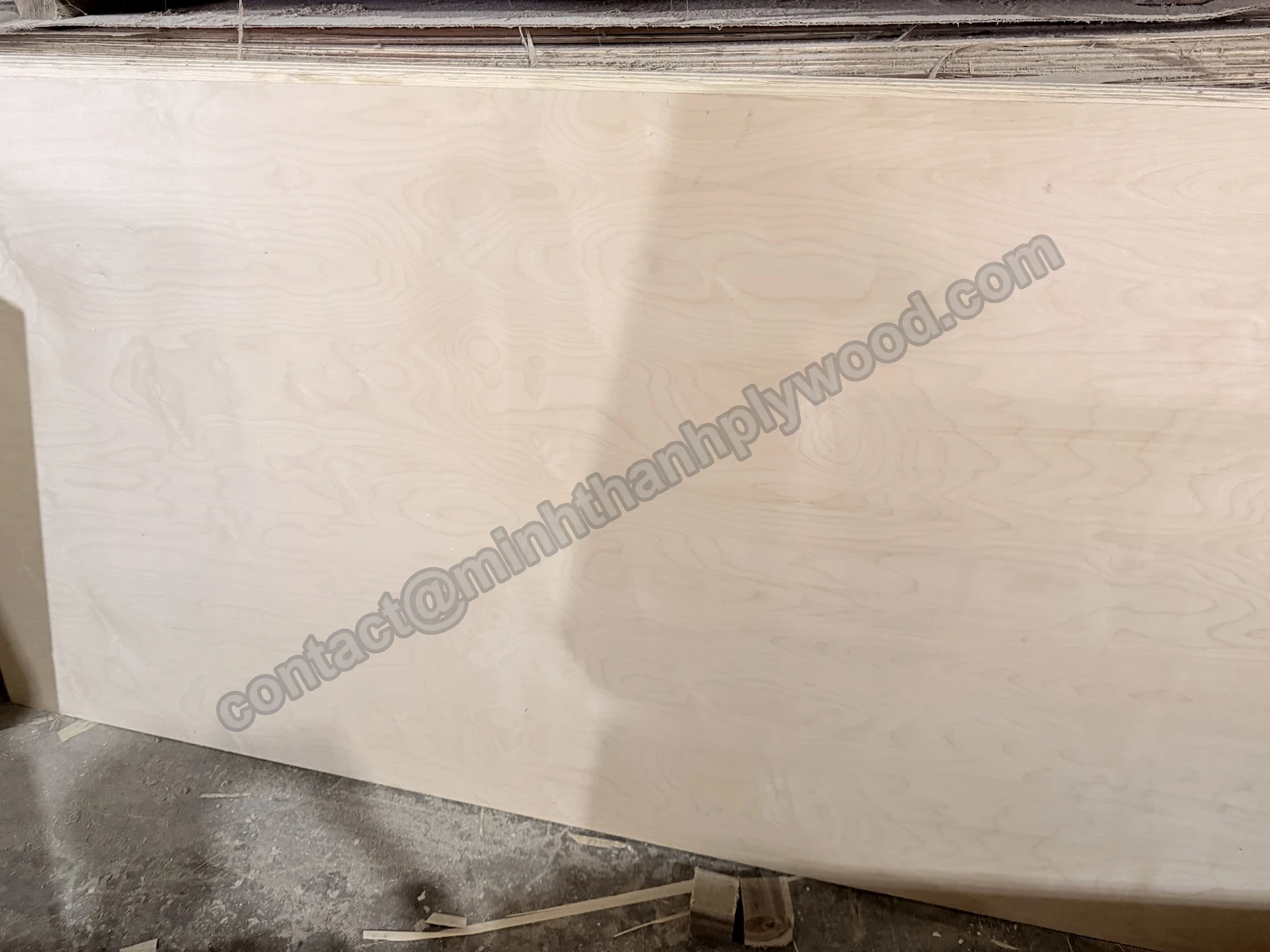
Sande commonly presents pale yellow to light-brown wood with straight or shallowly interlocked grain. Birch can show pale cream colour with rotary-cut swirls and changes in figure. These are starting descriptions, not a promise that every offered sheet has an identical surface. The approved sample establishes the acceptable appearance for the order.
Place sample pieces next to the furniture’s edging, solid wood, laminate and other visible materials. Inspect the relationship under the lighting used for the finished furniture. A face that looks suitable by itself can look different beside the selected edge band or after a tinted clear coat.
For doors and adjacent side panels, decide whether colour and grain matching matter within one cabinet. Mark the visible side on the cutting schedule. A receiving inspector needs to know whether a repaired area can enter a hidden part, a painted face or a clear-finished front. Otherwise, acceptable sheets can still produce rejected visible components.
Which core construction matters for cabinets and CNC machining?
Core continuity, joining and calibration matter more to cabinet machining than the decorative face name. A groove, hinge bore or connector hole reaches beneath that face. Inspect those features on the actual panel so the approval covers the material the cutter and hardware will encounter.
Minh Thanh’s furniture plywood uses two-way stitched core veneers and double pressing. The core is pressed and calibrated before the face and back are applied. This production route addresses the substrate that supports the thin decorative veneer. Buyers can review the manufacturing process alongside the ordered face and core.
Cut sample strips from different parts of a representative sheet. Look for continuity at the freshly sawn edges and then machine the production groove or rebate. A single attractive factory-cut edge does not show every internal location. The trial needs the shapes, cutting direction and tool entry points that the workshop will actually use.
Check Sande trial cuts for raised fibres and fuzzy areas as well as edge breakout. Grain and veneer condition affect surface preparation, so use representative areas rather than only the easiest-looking offcut. Extract machining dust at the source and use the workshop’s wood-dust controls for both materials.
For computer numerical control (CNC) work, record the tool, feed direction and support arrangement used during approval. An edge can tear at the exit of a cut even when the flat face looks excellent. Inspect the exit edge, the bottom of the groove and any local cavity that leaves a connector unsupported.
A supplier comparison should also state what counts as an unacceptable core opening at a functional location. A hidden cavity away from a joint and an opening under a heavily used hinge have different consequences. Define acceptance by part function so inspectors and machinists apply the same decision.
Is Sande or birch better for cabinets, shelves and drawer boxes?
Use the approved construction for each furniture part: Sande can serve interior cabinet components, while birch-faced plywood serves designs that require birch appearance. Shelves, drawer boxes and carcasses still need component-level performance checks. A face selection cannot replace those checks.
For carcass sides, examine square cutting, connector placement and the surface inside the cabinet. For shelves, define unsupported span, load distribution, support and permitted deflection. For drawer boxes, inspect the base groove, corner joint, repeated movement and exposed edge. These are different acceptance decisions even when the same panel thickness appears on each drawing.
A birch-faced Styrax construction provides a lighter furniture panel than the Eucalyptus reference construction at equal dimensions. That can make handling and assembled mass important selection factors. It does not assign a shelf load rating to either core. Select the construction by its tested component performance, then calculate the associated mass.
For kitchens, separate dry upper-cabinet parts from sink-base components and areas exposed to repeated cleaning or leaks. The moisture requirement belongs to the panel bond, coating and edge design. Order those properties explicitly rather than assuming every sheet used in a kitchen needs one universal material specification.
A workshop can keep one decorative face while assigning different core or thickness requirements to different parts. Record the exceptions in the schedule so purchasing does not substitute one convenient stock item across the entire furniture range. The design then controls the panel selection and the cutting layout.
Is birch always stronger, harder or better at holding screws?
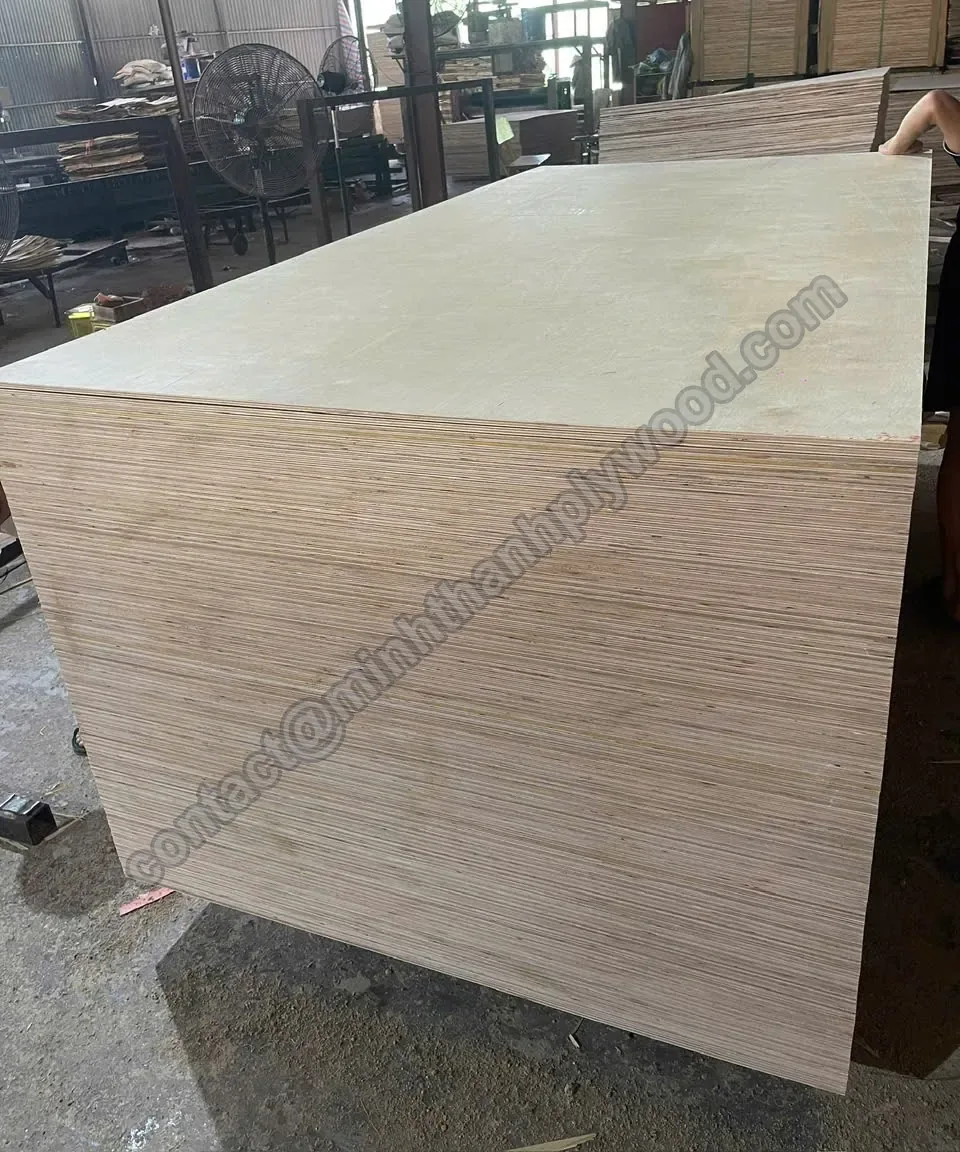
Birch face veneer alone does not establish a stronger panel or better screw retention. Panel performance comes from the entire construction, its thickness, layer arrangement and manufacturing quality. Compare test results for the offered panels and verify the relevant furniture joint.
Solid-wood hardness measures resistance to indentation in a piece of wood. It is useful when comparing surfaces, but it does not measure plywood shelf deflection, bond durability or connector withdrawal. A hardness figure for Sande lumber cannot establish a safe load for a Sande-faced shelf. The same distinction applies to birch lumber and a birch-faced plywood panel.
For screws, use the production fastener, pilot hole and insertion location. Inspect whether the screw enters the face or the edge, and whether the joint crosses a core seam. Test the joint after the relevant assembly and service conditioning. The material receiving the thread is the complete core arrangement, not just the veneer visible on the cabinet side.
For a shelf, preserve grain direction, span, support and load duration between trials. Record bending stiffness separately from failure strength. A shelf that does not break can still deflect beyond the design’s appearance limit. A better-supported shelf can also outperform a thicker panel under a different support arrangement.
Minh Thanh offers third-party testing through SGS for the ordered construction when buyers require it. Connect the report to the specific panel and method. This gives a purchasing team useful evidence for approving a substitution instead of a broad promise that one species always wins.
How should you approve paint, stain and clear coats?
Approve the complete cured coating system on each candidate panel before selecting Sande or birch for a furniture finish. Both can take paint or stain, but the actual face, repairs and preparation affect the finished result. Compare preparation time and material consumption as well as appearance.
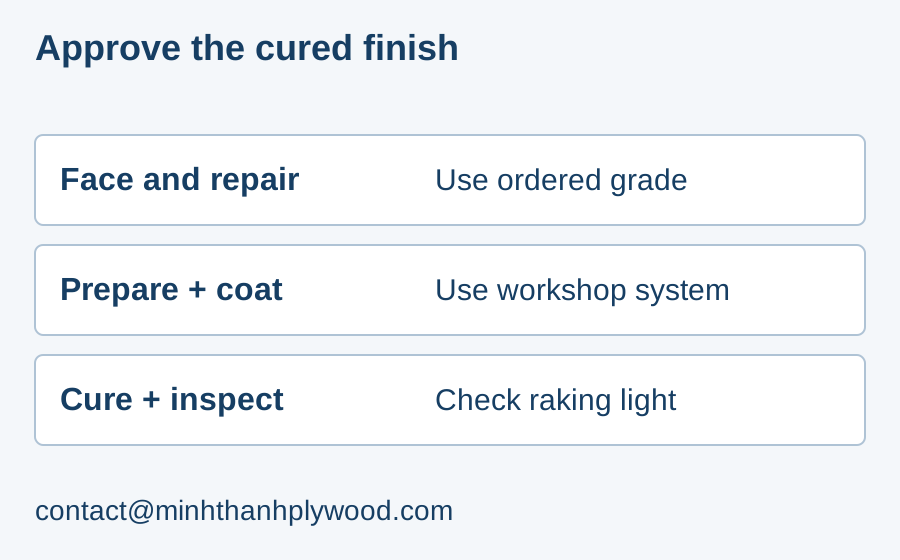
Start with representative face areas, including a repair when the ordered grade permits repairs. Use the workshop’s intended sanding, dust removal, sealer, primer and topcoat. Follow the coating manufacturer’s instructions. Inspect the cured finish under raking light for grain texture, patch outlines, local roughness and colour differences.
For stain and clear coats, include the veneer edge and the selected edge band. A stain that matches the face can leave a different tone on exposed core layers. Approve the whole corner or door assembly where adjacent materials meet. A flat sample in isolation does not show that relationship.
For paint, judge whether the selected preparation hides the permitted grain and repairs to the appearance standard. Additional filling or sanding changes the component cost. Record the repeatable workshop sequence that produced the approved sample so production does not have to rediscover the finish after the material arrives.
Minh Thanh’s decorative face veneer reference is 0.2–0.5 mm, with 0.3 mm common for European furniture orders. That thin layer needs controlled preparation. Sanding to remove a deep defect can expose the substrate; resolve the defect through face selection and the agreed repair criteria instead of aggressive sanding.
Is Sande plywood waterproof or suitable outdoors?
Sande plywood is not automatically waterproof, exterior-rated or marine grade. The species name does not identify its glue bond or intended exposure. Select the specific panel for its declared service, then design the coating, edges and joints for that service.
The product documentation should state the adhesive or bond requirement separately from the face species. An interior furniture panel and an exterior panel can share a decorative wood name while having different intended uses. Sealing the surface also does not change the underlying bond specification.
For bathroom furniture, assess splash zones, cleaning, exposed edges and drainage around joints. For outdoor furniture, assess repeated wetting, drying and the finish maintenance expected by the design. For boat work, follow the boat designer’s panel requirements and the applicable marine specification. Do not turn an attractive Sande face into a marine claim.
The waterproof plywood guide explains bond and exposure choices in more detail. This comparison keeps the buying decision focused: match the service requirement first, then compare the offered Sande and birch-faced panels within that requirement. A moisture claim belongs to the documented construction.
Minh Thanh’s standard furniture resin is UF glue at E0 emission, with other bond choices specified for the application. Emission performance and resistance to wetting are separate order lines. E0 is not an exterior-service instruction, and a water-resistant bond is not an emission classification.
Is Sande lighter than birch-faced plywood?
Compare complete-panel density and measured sheet mass, because face species alone does not determine weight. The same birch face on a lighter Styrax core and a denser Eucalyptus core produces different handling and shipment requirements. Obtain the equivalent information for the offered Sande construction.
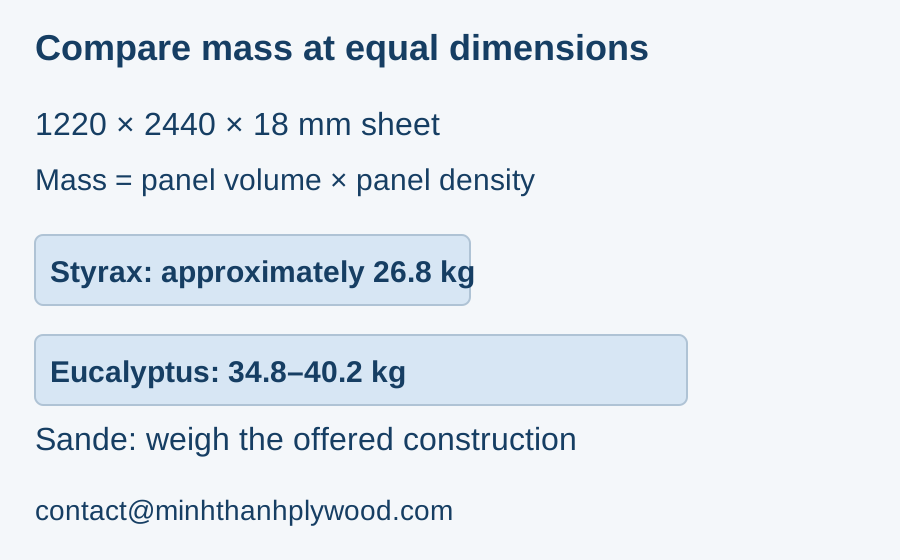
Minh Thanh’s planning references are approximately 500 kg/m³ for Styrax and 650–750 kg/m³ for Eucalyptus. A 1220 × 2440 × 18 mm sheet has a calculated volume of 0.05358 m³. Multiplying volume by those reference densities gives approximately 26.8 kg for Styrax and 34.8–40.2 kg for Eucalyptus.
Those values compare the stated core-based panel references at the same dimensions. They do not provide a density or weight for every Sande panel. Weigh the offered sheet and record its actual dimensions before putting it into the handling or transport calculation. Use a scale suitable for the sheet rather than estimating from the feel of a small offcut.
At component level, calculate mass from the actual cutting schedule. Door hardware, sliding systems and installation handling can make finished-part mass a useful criterion. Keep that calculation separate from load capacity: a heavier panel does not automatically make a stronger shelf or a better cabinet.
For shipment planning, add packaging to panel mass and respect the booking limit. The packing calculator helps compare format and core options. A face-name change should trigger a new mass calculation whenever the internal construction also changes.
Which thickness, format and tolerance should the order use?
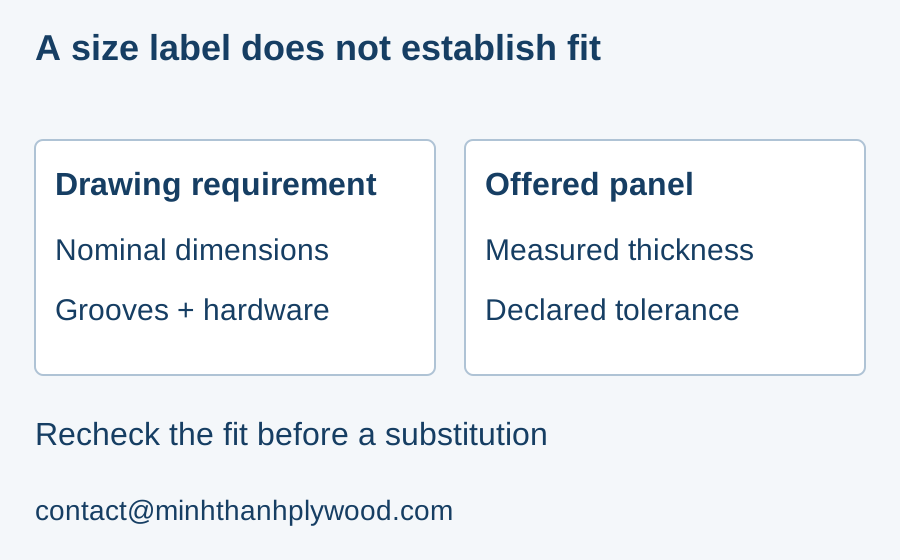
Order actual dimensions and acceptable tolerances, especially when substituting a panel sold under an inch category with a metric furniture panel. A category label is not a workshop measurement. Grooves, hinge bores and edge bands need the finished panel dimensions that the drawing expects.
Minh Thanh’s standard formats are 1220 × 2440 mm and 1250 × 2500 mm. Choose the format through the cutting layout and grain requirements. A larger nominal sheet does not guarantee a lower component cost if its additional area becomes unusable trim or the grain direction prevents efficient nesting.
Furniture thickness tolerance is ±0.2–0.3 mm, down to ±0.2 mm for the selected requirement; length and width tolerance is ±2 mm. Keep the tolerance beside the nominal size on the quotation. This lets the buyer judge whether a fixed-width groove or assembly stack-up needs adjustment during substitution.
Measure sample thickness at multiple face locations and include material away from the corners. Inspect the relationship between those measurements and the workshop’s machining setup. A single reading on a convenient edge cannot establish the variation across a full sheet or between sheets.
The plywood thickness guide provides the broader selection framework. For this comparison, preserve the finished component dimensions while evaluating each candidate. If the replacement thickness requires a drawing or tool-setting change, include the resulting cost in approval.
How do Sande, birch-faced, all-birch and maple options differ?
Sande, birch and maple can identify face woods, while all-birch identifies an internal construction as well. Separate the requested appearance from the requested layup before comparing quotations. An all-birch requirement is a different order from birch veneer over a Vietnamese furniture core.
Buyers often use “Baltic birch” to request a multi-ply all-birch construction with a particular edge appearance. Write the internal species, layer arrangement, grade and acceptance criteria explicitly. A geographic or trade name alone is less useful to the inspector than those requirements and a retained reference sample.
Minh Thanh’s birch-faced offer uses Styrax or Eucalyptus furniture cores. Compare that construction with the existing drawing’s needs. For covered cabinet edges, an approved furniture core can provide the required substrate beneath the decorative face. For exposed edges, approve the actual layered appearance of the chosen core rather than expecting an all-birch edge.
Maple-faced plywood is another appearance choice when the furniture design requires maple. It also needs a separate core specification. Changing from Sande to maple or birch can alter the coating match without changing the core; changing to all-birch alters the construction. Keep those two kinds of change visible in the quotation comparison.
A buyer who needs repeatable decorative grain can also compare engineered-veneer plywood. Select it for the required pattern and finished appearance. Keep the face decision tied to the actual furniture collection instead of choosing a species by a general ranking.
Is a lower sheet price really the lower component cost?
The economical panel is the one that produces the required accepted component at the lower total cost. Compare equivalent quotations, then add usable yield, machining, edging and finishing. Sande and birch prices cannot be ranked accurately without those inputs and the delivery terms.
First align thickness, format, core, face/back quality, bond, emission requirement and quantity. Identify whether each quotation is ex works, free on board (FOB) or delivered. Freight and import costs belong on the same comparison basis. A retail sheet price and a factory export quote do not describe the same purchase.
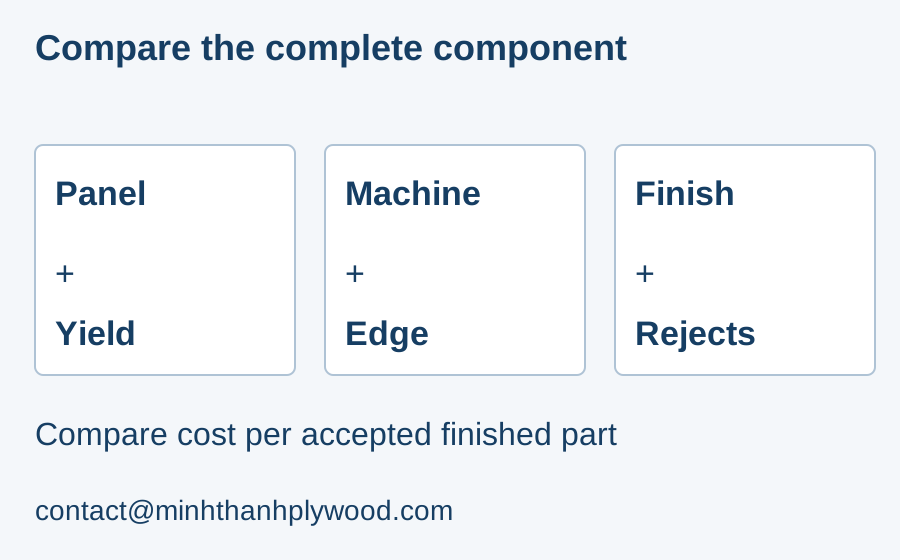
Use this calculation for the workshop comparison: accepted-part cost = panel cost allocated to the part + machining + edging + finishing + allocated rejection and handling cost. Use actual nesting and trial records for the inputs. Calculate rejected-part allocation from accepted output, so a material with poor yield cannot look economical simply because it produced more unfinished pieces.
For opaque-painted hidden surfaces, paying for decorative grain the buyer never sees can waste the material budget. For clear-finished visible faces, saving on the face can increase matching and rejection costs. Select grades by part visibility and use the retained sample to classify usable areas during cutting.
Minh Thanh quotes the selected birch-faced construction for the buyer’s specification. Send the existing Sande offer on the same comparison basis, including the component drawing and finish requirement. That makes the alternative quotation useful to purchasing instead of giving a percentage saving that lacks a defined product.
How do you qualify a Sande-to-birch substitution?
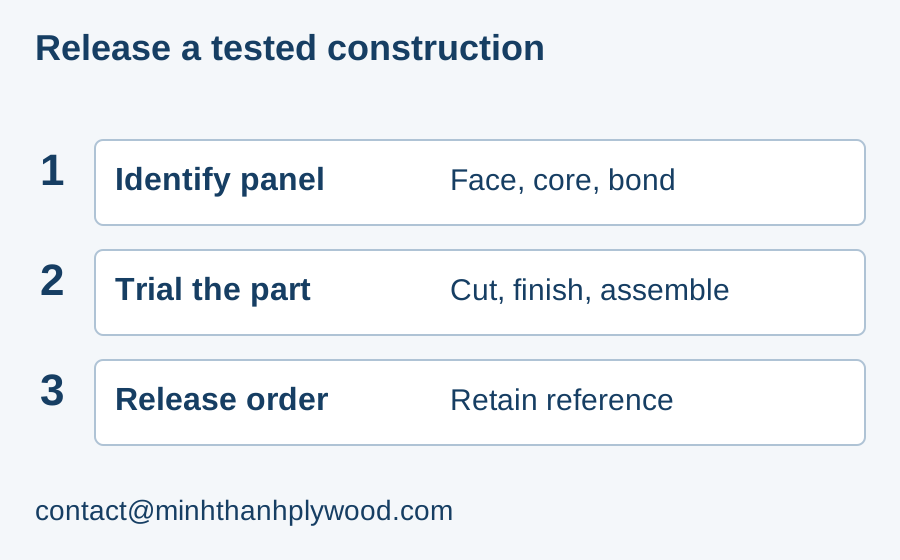
Qualify the complete finished component before replacing Sande with birch-faced plywood. Keep the drawing and acceptance criteria constant, record the changed construction and preserve the approved samples. The trial should reveal differences that matter in production rather than just differences in a showroom offcut.
- Define the baseline. Record the existing panel’s face/back, internal core, actual dimensions, bond, emission requirement and service. Identify which properties the drawing requires and which are only assumptions about the old product.
- Select representative sheets. Inspect full faces and fresh cut edges. Mark the visible side and include permitted repairs in the finishing trial. Link each sheet to its sample identification and proposed order specification.
- Machine the production part. Use the intended saw, router, grooves and drilled holes. Inspect breakout, local core openings and the finished edge. Check dimensions against the drawing after machining.
- Assemble and finish. Fit the actual hardware and apply the agreed coating sequence. Inspect colour next to adjoining materials and inspect the cured finish under raking light. Test the joint and supported component for the required service.
- Release the specification. Record accepted construction, appearance limits, tolerance and the workshop settings used. Retain a finished reference sample and a cut-edge sample for production and receiving inspection.
For shelves, add the defined load, span, support and allowable deflection to the record. For doors, include hinges and the coating on both sides. A test that succeeds on one component does not automatically approve another part with different loading or machining.
Minh Thanh provides free samples for evaluating the furniture construction. Start with the existing Sande specification and the proposed birch-faced alternative. This keeps the evaluation focused on the buyer’s intended product, including any necessary drawing changes before the order is placed.
Which product and emission documents should accompany approval?
Approval needs a construction specification, identifiable sample and product documents for the destination market. Ask for records that correspond to the actual offered panel. A generic species brochure does not connect face, core, bond and emission performance to the material being purchased.
Keep adhesive requirements and emissions in separate lines. Record the test method with emission results and identify the tested product. This avoids treating a familiar E0 label or an exterior-bond description as a complete destination-market requirement.
The US EPA composite-wood guidance, accessed in October 2026, covers hardwood plywood within the TSCA Title VI framework. A US buyer should align the offered product’s labels and supporting records with the applicable requirements. Species selection alone does not provide that evidence.
Minh Thanh’s CARB P2 and TSCA Title VI page identifies ICTT mill no. 23024 and the supporting records. Refer to the actual product scope when preparing an alternative order. For a European furniture programme, include the specified chamber-test requirement and relevant product records in the quotation request.
For receiving inspection, retain the approved sample identification, panel specification and packing description together. That lets the inspector connect the arrival checks to the material purchasing approved. If the order changes its core, face or bond, treat that as a construction change requiring the relevant approval record.
What should you send to Minh Thanh for a birch-faced alternative?
Send a component-led specification for birch-faced plywood, including the existing Sande panel details and the finish to match. Minh Thanh can quote the furniture construction with Styrax or Eucalyptus core. Identify the application before choosing the face/back grade and dimensions.
Include the drawing and mark which faces and edges remain visible. State the required core, bond and emission method separately. Add the face/back appearance limits, finished size and tolerance, packing requirements, order quantity and destination port. A retained finished sample is particularly useful when a clear coat or stain must match other furniture parts.
For birch faces, Minh Thanh uses factory grade names D+, D and E, quoted as face/back pairs such as D+/D or D/E. Approve the appearance against the intended part and sample. Keep any buyer grade code alongside the approved criteria so the workshop and receiving inspector use the same definition.
The factory checks furniture plywood moisture at 8–12% and prepares the ordered panels for export packing. Include the intended storage and production environment when planning the arrival inspection. Flat support, dry storage and protection of the bundle help preserve the approved surface and machining condition before fabrication.
Use the contact page to request the alternative quotation and free samples. Attach the Sande specification, component schedule and coating reference. The next useful outcome is a defined birch-faced construction that your workshop can trial and purchasing can order consistently.
Buyer questions, answered
What is sande plywood?
Sande plywood is hardwood plywood sold with Sande veneers, commonly associated with Brosimum utile from tropical America. Sande identifies the wood rather than a sanding process. Specify the face and core separately because the trade name alone does not describe every internal layer.
Is Sande plywood the same as sanded plywood?
No. Sande is a wood name; sanded plywood has been mechanically smoothed. Birch-faced plywood, pine plywood and Sande plywood can all have sanded surfaces, so a purchase order needs separate species and surface-preparation lines.
Is birch plywood stronger than Sande plywood?
A birch face alone does not establish greater panel strength. Compare the actual core, veneer layup, thickness and bending data in the required direction. Test shelves at their intended span and load rather than treating solid-wood hardness as a plywood load rating.
Can I use Sande plywood for kitchen cabinets?
Sande plywood suits interior cabinet components when its core, bond, dimensions, finish and hardware pass the component specification. Sink-base and other moisture-exposed parts need their own exposure and edge-protection requirements. Approve a finished cabinet part before changing a production material.
Is Sande plywood waterproof or marine grade?
Sande is a species name and does not establish waterproof bonding or marine-grade construction. Read the specific panel's bond classification and intended service, and inspect its supporting product records. For boat work, use a panel specified for the boat design rather than selecting by face name.
Can Sande plywood be stained or painted?
Yes, Sande plywood can take stain or paint. Approve the complete finish on representative face areas, repairs and edges, using the intended sanding, sealer and coating sequence. Check colour and surface texture after curing before calculating finishing cost.
Is Sande plywood cheaper than birch?
Compare current quotes for equivalent thickness, format, core quality, appearance, bond and delivery terms. Add rejected parts, sanding, coating, edge treatment and machining to the panel cost. A lower sheet price wins only when the accepted finished component costs less.
Is Sande plywood lighter than birch-faced plywood?
The complete panel's density and dimensions determine its weight. Minh Thanh's reference densities are approximately 500 kg/m³ for Styrax and 650–750 kg/m³ for Eucalyptus, even with the same birch face. Weigh the offered Sande panel before comparing handling and shipment mass.
Is birch-faced plywood the same as Baltic birch?
Birch-faced plywood names the face veneer and requires the core to be specified separately. All-birch construction uses birch internal veneers as well. Minh Thanh's furniture plywood uses Styrax or Eucalyptus cores, so an all-birch requirement is a different purchasing specification.
What is the difference between Sande plywood and BC plywood?
Sande names the wood, while BC describes a face/back veneer grade pair within its grading system. A Sande panel can also carry a grade pair. Specify wood, core, grade system and bond separately rather than treating BC as another species.
Can Sande replace birch without changing my drawings?
Qualify the replacement against the drawing's appearance, thickness, grooves, hardware, edge finish and load requirements. Face changes can alter colour and finishing, while core changes affect machining and component behaviour. Record the approved construction and retained sample before production.
Does Minh Thanh manufacture Sande plywood?
This guide compares Sande with Minh Thanh's birch-faced furniture plywood. The factory offer described here is birch-faced plywood with Styrax or Eucalyptus core. Send the existing panel specification and component drawing for a birch-faced alternative quotation.
What should I send for a birch-faced alternative quotation?
Send the application and drawing, core requirement, bond and emission specification, face/back appearance, size and tolerance, packing, quantity and destination port. Include the existing Sande specification and a finished reference sample where colour matters. Minh Thanh offers free samples for evaluating the plywood construction.