
01
UF resin at E0 grade as standard
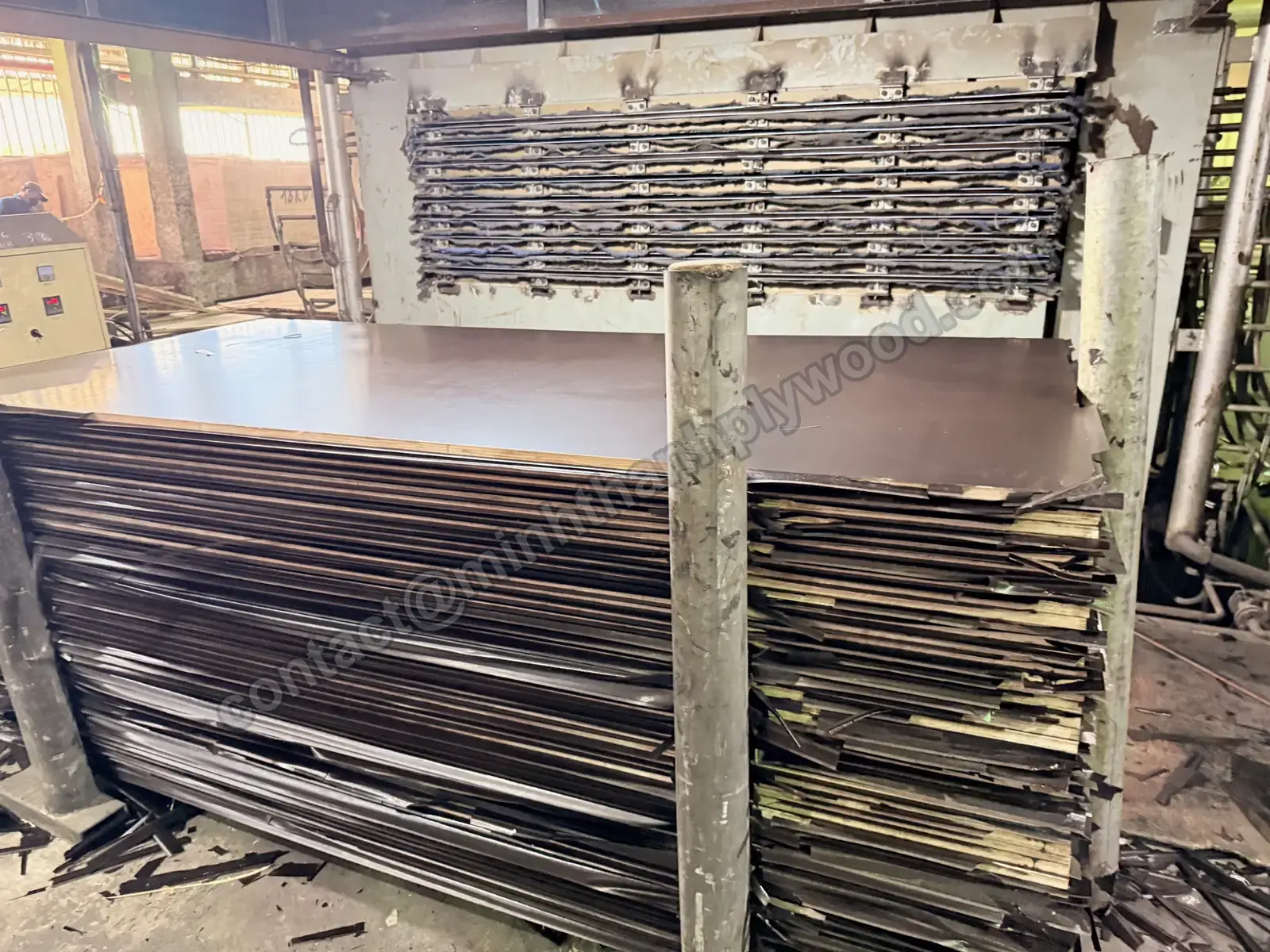
Every furniture and interior panel is glued with UF resin at E0 emission, the resin named on our test reports. UF at E1, melamine-fortified (MR) and phenolic (WBP) glues are made only when a buyer specifies them.
Certificates · US formaldehyde rules
Minh Thanh Plywood, a plywood mill in Ha Hoa, Vietnam, holds CARB P2 / TSCA Title VI certification for hardwood plywood with a veneer core, 3–50 mm, under ICTT mill no. 23024. Our furniture panels are made with UF glue at E0 emission and chamber-tested every three months.
Watch in under three minutes
The certificate, the six third-party chamber results, CARB P2 vs TSCA Title VI, the documents you receive and how to check us.
The short answer
CARB P2 plywood is hardwood plywood that emits no more than 0.05 ppm of formaldehyde, made by a mill certified through an approved third-party certifier. The limit comes from California's Phase 2 rule. The US federal rule, TSCA Title VI, uses the same limit in every state, so one certified panel answers both.
Is Vietnamese plywood CARB compliant? Ours is. Compliance belongs to a certified mill and its product scope, and Minh Thanh Plywood is certified by ICTT under mill no. 23024 for hardwood plywood with a veneer core, 3–50 mm.
That scope is the furniture and interior plywood we press every day, with UF glue at E0 emission as standard. The same panels meet the emission requirements European furniture buyers ask for, and SGS tests them to your own method on request.
CARB P2 covers emissions. Face grade, glue bond for damp rooms and thickness tolerance are separate lines on your specification, and we write each one into the order.
As issued
Shown as issued by ICTT. Tap a page to read it in full; the PDFs go out by email with your quotation.
Chamber results
Six third-party reports from ICTT Vietnam and Shanghai Hongjun on our panels, tested to ASTM D6007 between April 2025 and June 2026 on 9, 15 and 18 mm plywood. Each bar is the mean result of one test; the dashed line is the 0.05 ppm limit.
Shanghai Hongjun: HJ-QAT-250597, HJ-QAT-251303 and HJ-QAT-261036. ICTT Vietnam: ICTTVN-QAT-250841, ICTTVN-QAT-251173 and ICTTVN-QAT-260272.
Results apply to the tested specimens. Each percentage is its measured mean divided by the 0.05 ppm limit. Full reports are sent by email.
How the test works
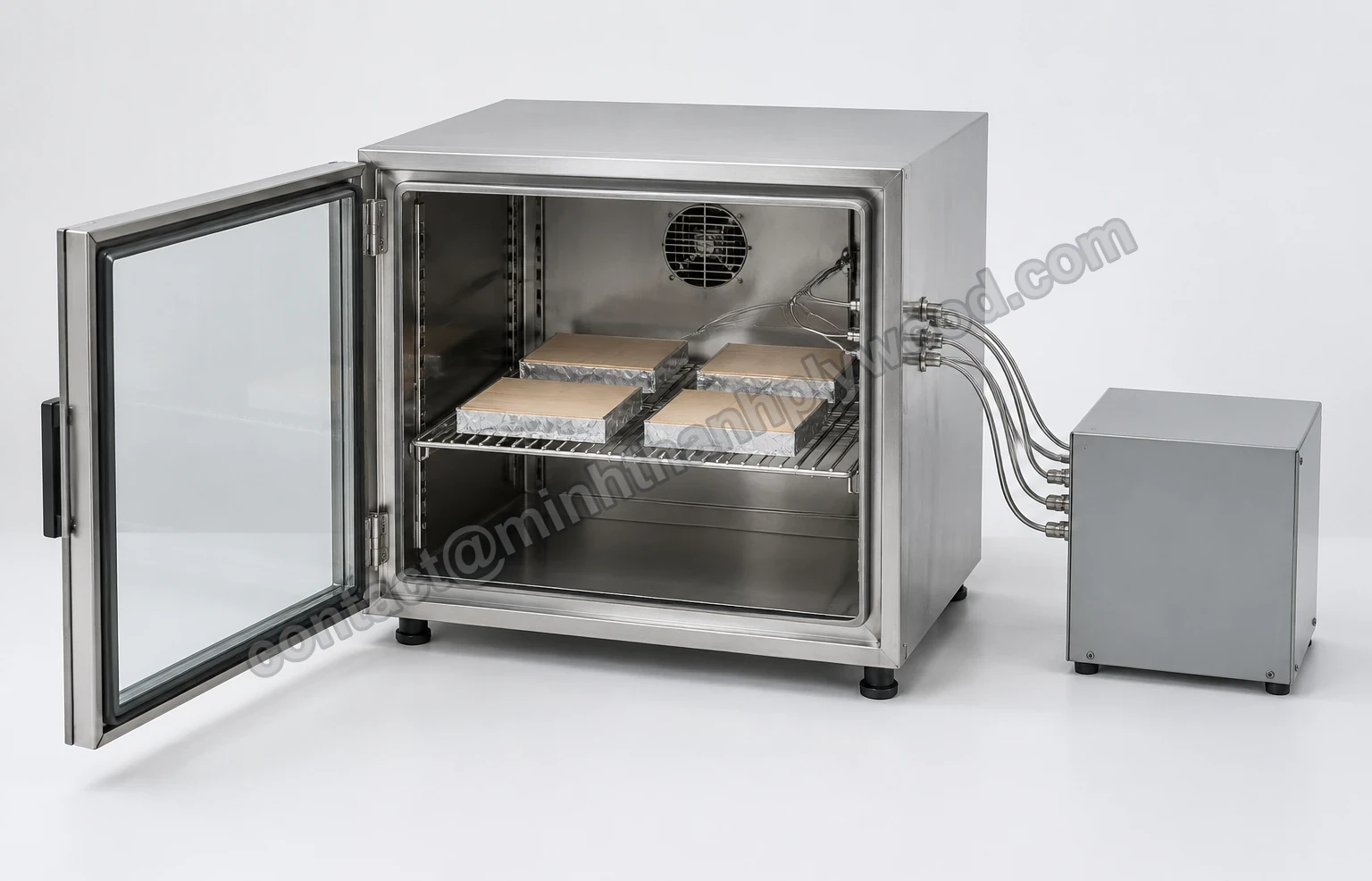
The certifier picks panels at the mill and ships them sealed to its laboratory. Specimens get their edges sealed with aluminium tape and sit for seven days at 24 °C and 50 % relative humidity.
Each specimen then goes into a 0.2 m³ chamber held at 25 °C and 50 % RH. After at least three full air changes, the air is sampled and the formaldehyde level is corrected to standard conditions. The laboratory's detection limit is 0.005 ppm.
Our reports name UF resin at E0 grade, the standard glue for our furniture and interior panels.
Our emission programme uses testing every three months; the chart shows six recent reports.
ASTM D6007 small chamber, read against the 0.05 ppm Phase 2 limit for veneer-core plywood.
Low emission by design
Low readings come from the glue, the press and the checks, every working day.
Every furniture and interior panel is glued with UF resin at E0 emission, the resin named on our test reports. UF at E1, melamine-fortified (MR) and phenolic (WBP) glues are made only when a buyer specifies them.
The core board is pressed and calibrated first, then face and back are pressed on. Each pressing runs at set temperature and time, so the resin cures fully and holds less free formaldehyde.
Pressed panels cool and rest in stacks before sanding and grading, so they leave the mill stable and ready for the importer's own checks.
Panels are taken from production and chamber-tested every three months by Shanghai Hongjun and ICTT Vietnam. Six recent tests read 0.014–0.032 ppm against the 0.05 ppm limit.
Two programmes, one limit
The limits and test methods are the same. What differs is who enforces the rule, where it applies and what the label says.
| Topic | CARB Phase 2 | TSCA Title VI |
|---|---|---|
| Issued by | California Air Resources Board | US Environmental Protection Agency |
| Where it applies | Panels and goods sold, supplied or made in California | Panels and goods sold, supplied or imported anywhere in the US |
| Hardwood plywood limit | 0.05 ppm | 0.05 ppm |
| Test method | ASTM E1333 or ASTM D6007 | ASTM E1333 or ASTM D6007 |
| Panel label | "California 93120 Phase 2 compliant" | "TSCA Title VI compliant", required on US panels since 22 March 2019 |
| Our certifier | ICTT (TPC-43) | ICTT (TPC-43) |
Checked 4 October 2026.
Limits by product
Hardwood plywood has the tightest limit of any composite wood panel under both programmes.
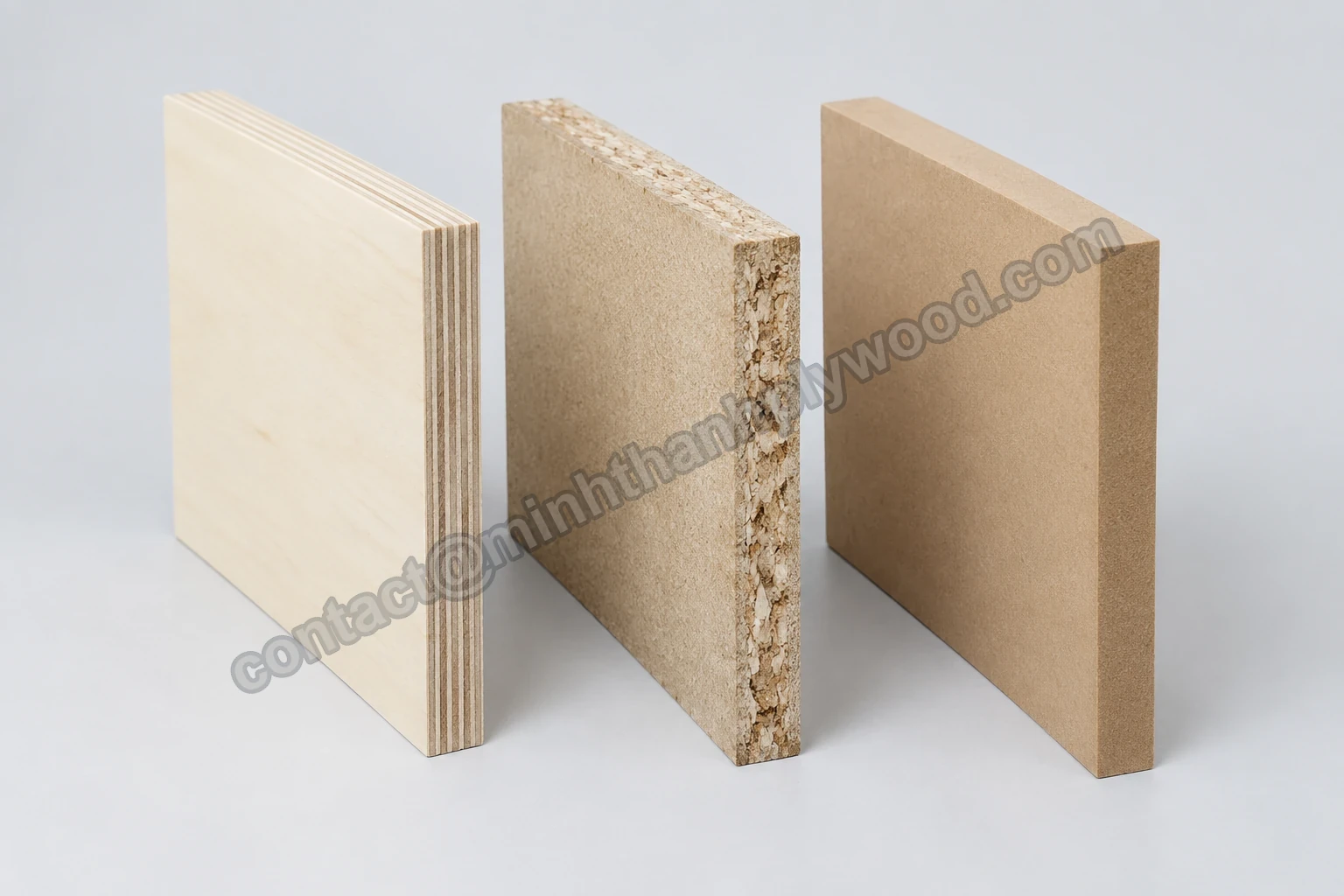
| Product | Code | Limit (ppm) | On our certificate |
|---|---|---|---|
| Hardwood plywood, veneer core | HWPW-VC | 0.05 | Yes, 3–50 mm |
| Hardwood plywood, composite core | HWPW-CC | 0.05 | No |
| Particleboard | PB | 0.09 | No |
| Medium-density fibreboard | MDF | 0.11 | No |
| Thin MDF, 8 mm or less | tMDF | 0.13 | No |
Hardwood plywood limits apply to both CARB Phase 2 and TSCA Title VI.
Test methods
Each market measures formaldehyde its own way. Results from different methods are not converted into each other, so a report always names its method.
| Method | Type | Used for | Result unit |
|---|---|---|---|
| ASTM E1333 | Large chamber | Reference method for CARB P2 and TSCA Title VI certification | ppm |
| ASTM D6007 | Small chamber, correlated to E1333 | Quarterly tests by third-party certifiers; all six of our recent reports | ppm |
| EN 717-1 | Chamber | European E1 class and the REACH entry 77 limit | mg/m³ |
| JIS A 1460 | Desiccator | Japanese F★★★★ grading | mg/L |
We test to the method your market uses: ASTM D6007 chamber tests by ICTT Vietnam and Shanghai Hongjun for CARB P2 / TSCA Title VI, SGS for EN 717-1 or any other method you name.
Glue vs emission
Emission class says how much formaldehyde a panel releases. Bond class says how well the glue line survives moisture. A good purchase order states both.
| Glue | Bond use | Emission | Our standard use |
|---|---|---|---|
| UF resin at E0 grade | Interior, dry rooms | E0, tested 0.014–0.032 ppm | Standard for furniture and interior panels |
| UF resin at E1 emission | Interior, dry rooms | E1 class | Made to order |
| MR / melamine-fortified | Interior, humid rooms | Tested to your method | Made to order |
| Phenolic (WBP) | Exterior and wet use | Low emission | Made to order for exterior panels |
For US orders we specify UF glue at E0 emission and the CARB P2 / TSCA Title VI statement on the purchase order and invoice.
Other markets
Europe now sets a limit close to CARB P2 for furniture. Our panels meet what European furniture buyers ask for, and our test results sit well below the US limit.
| Market | Rule | Limit | Our position |
|---|---|---|---|
| United States | TSCA Title VI | 0.05 ppm (hardwood plywood) | Certified, ICTT mill no. 23024 |
| California | CARB ATCM Phase 2 | 0.05 ppm (hardwood plywood) | Certified, same certificate |
| European Union | REACH Annex XVII entry 77, from 6 August 2026 | 0.062 mg/m³ for furniture and wood-based articles (Appendix 14 chamber conditions) | E0 panels tested 0.014–0.032 ppm (ASTM D6007) |
| Canada | Formaldehyde Emissions from Composite Wood Products Regulations (SOR/2021-148) | 0.05 ppm (hardwood plywood) | Same limit as our TSCA Title VI certificate |
| Europe, construction | EN 13986 with EN 717-1 (E1) | 0.1 ppm | E1 and UF glue at E0 emission made to order |
| Japan | JAS F☆☆☆☆ | 0.3 mg/L average (desiccator) | Tested to JIS A 1460 on request |
Checked 5 October 2026. Tell us the destination and we send the matching report, or arrange an SGS test to that rule.
Alongside CARB P2
Most buyers order CARB P2 plywood with one or two of these documents in the same file.
Quality management system for plywood manufacturing, certificate KAC25/0185.
Vietnamese product certification for veneer-faced plywood, held by our mill.
Origin records and geolocation files for every wood layer, supplied with European orders.
SGS, September 2026: lead, cadmium, mercury and hexavalent chromium not detected in our packing materials.
Available for orders that need them. *Supplied directly or through qualified partner mills.
Products
Every veneer-core furniture and interior panel we make with UF glue at E0 emission falls inside our certificate scope.
| Panel | Core | Thickness | CARB P2 / TSCA Title VI |
|---|---|---|---|
| Birch plywood | Styrax or eucalyptus, stitched | 3–40 mm | Yes, UF glue at E0 emission |
| Poplar plywood | Styrax or eucalyptus, stitched | 3–40 mm | Yes, UF glue at E0 emission |
| EV plywood | Styrax or eucalyptus, stitched | 3–40 mm | Yes, UF glue at E0 emission |
| Okoume plywood | Styrax or eucalyptus, stitched | 3–40 mm | Yes, UF glue at E0 emission |
| Pine plywood | Styrax or eucalyptus, stitched | 3–40 mm | Yes, UF glue at E0 emission |
| Thin plywood | 5-ply at 3–5 mm (6 mm ply count per order), any face above | 3–6 mm | Yes, UF glue at E0 emission |
Film-faced and exterior panels with phenolic glue are quoted with their own documents.
Where it matters
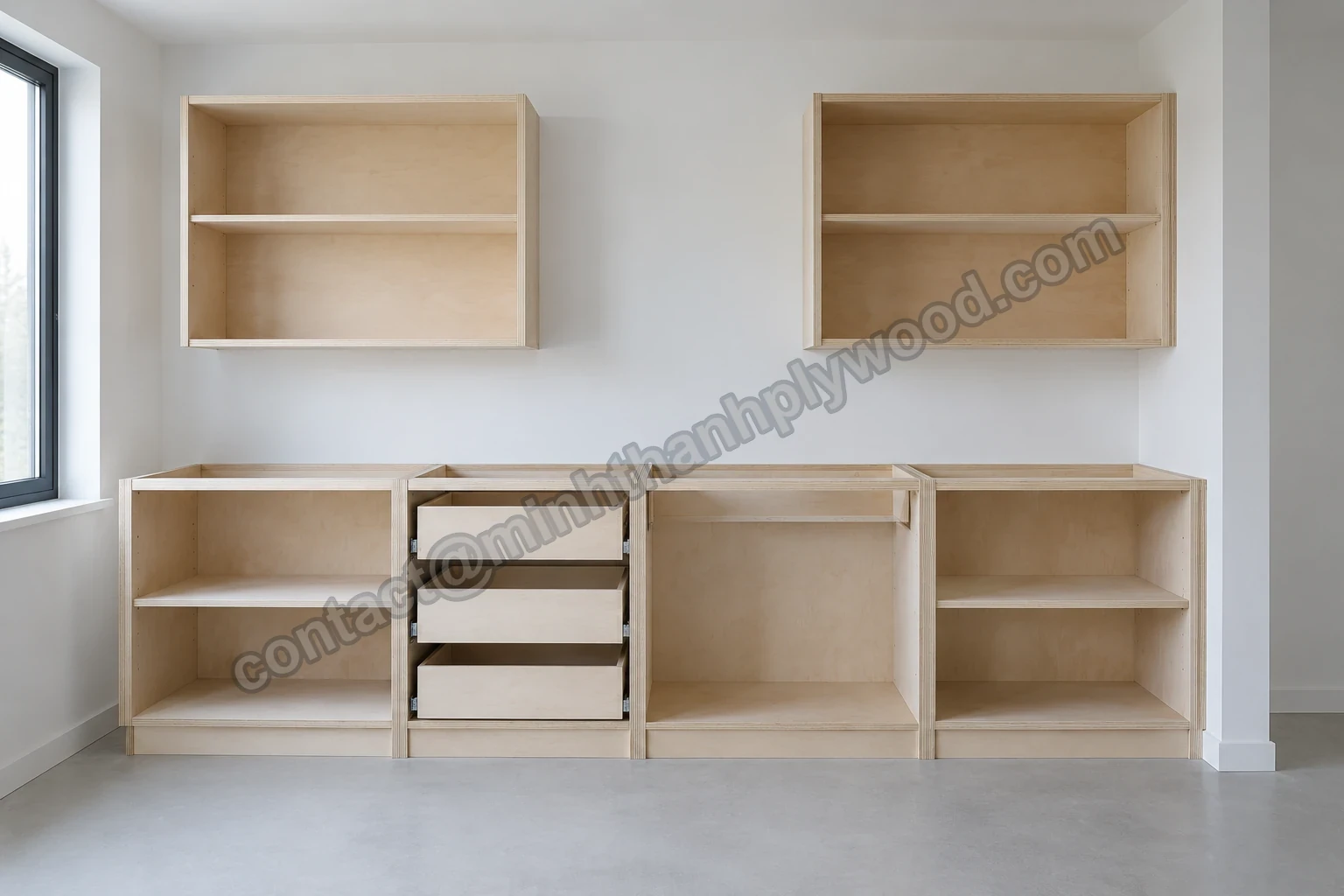
US importers ask for the CARB P2 certificate before the first order of cabinet, furniture or shop-fitting panels. Our standard furniture build already meets it.
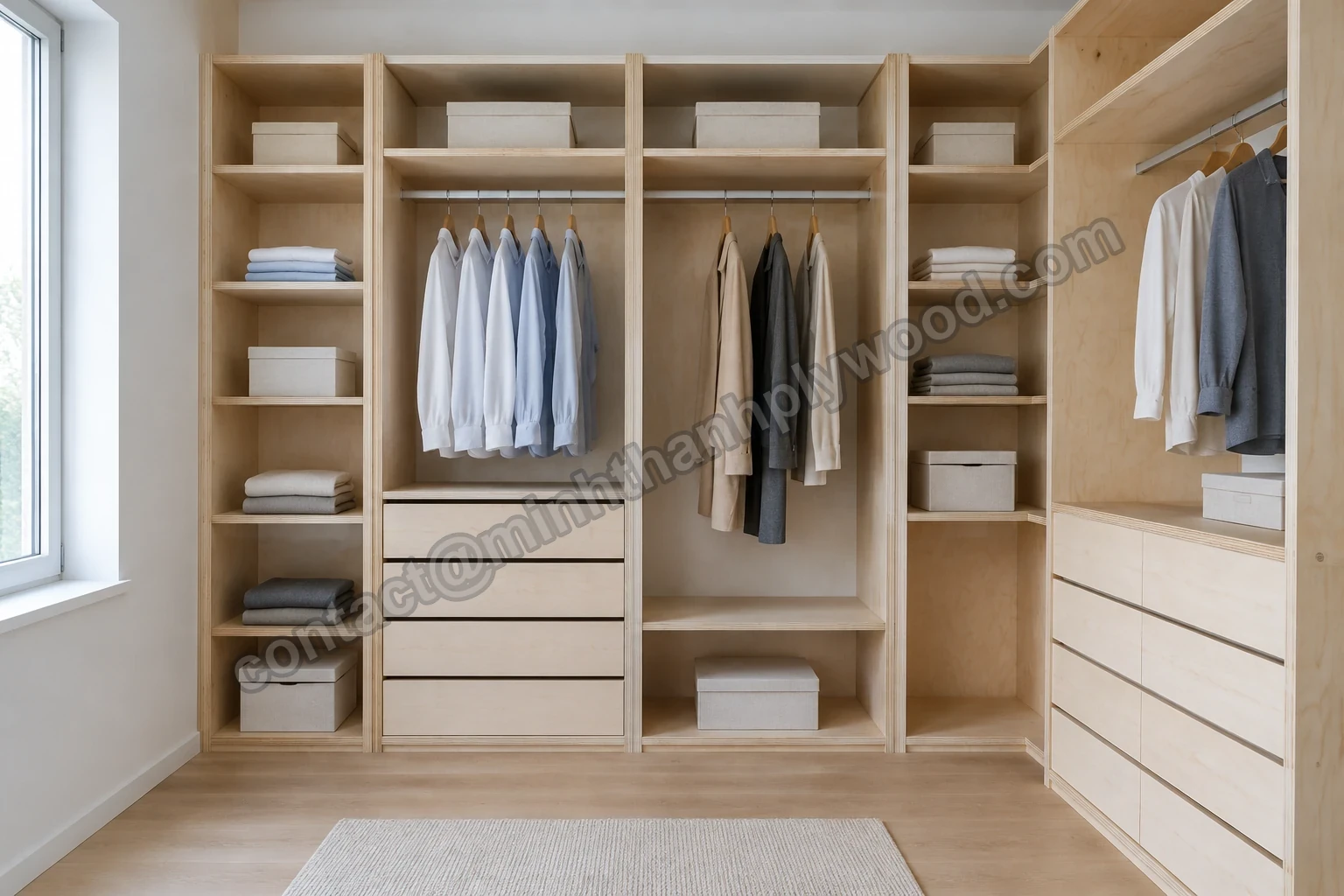
Kitchen and bath cabinets, wardrobes, children's furniture, retail fixtures and interior fit-out all use these panels. Trading companies ask for the certificate too, because their panels may end up in the US.
Furniture and interior panels are pressed with UF glue at E0 emission; E1 emission specifications and MR or WBP bonds are made to order.
Core layers stitched both ways and sanded to a thickness tolerance as tight as ±0.2 mm.
Both faces sanded and polished, ready for your own UV coating.
Importing from Vietnam
A US importer of composite wood panels certifies TSCA Title VI compliance at entry and keeps invoices and bills of lading for three years. Plywood also needs a Lacey Act declaration naming each wood species and its country of harvest.
We supply what those filings need: face and core species, Vietnamese harvest origin with our timber-origin dossier, TSCA Title VI labels and the compliance statement on the commercial invoice and B/L.
The importer certifies compliance at entry; our certificate and labels back that statement.
Species and country of harvest for every layer, from our timber-origin records.
Invoices and B/L carry the TSCA Title VI compliance statement for the importer's files.
Panel label
Every panel or bundle for the US carries a label with four items. We print them from the order data before loading.
| Label item | What we print |
|---|---|
| Producer | Minh Thanh Plywood |
| Lot or batch | Production lot of the panels in the bundle |
| Certifier number | TPC-43 (ICTT) |
| Compliance statement | TSCA Title VI compliant |
Fabricators who build finished goods from our panels add their own label with the month and year of manufacture.
Lacey Act data
The US importer declares each wood species and its country of harvest. We list them per layer on the shipment documents.
| Layer | Species we declare | Country of harvest |
|---|---|---|
| Core and cross-band | Styrax tonkinensis (white styrax) or eucalyptus | Vietnam, plantation timber |
| Face and back | The face species of your order: poplar, birch, okoume, pine or engineered veneer | Country stated per lot from our veneer records |
The same origin records feed our EUDR compliance dossier for European buyers.
Documents
Certificate documents go out before you order; shipment documents follow with each container.
CARB / TSCA certificate
Copy for mill no. 23024, sent before you order.
Latest chamber report
Shanghai Hongjun report HJ-QAT-261036, issued 10 June 2026; 9 mm, 5-ply specimen, mean 0.018 ppm.
TSCA Title VI panel label
Producer, lot number, certifier number and the TSCA Title VI compliant statement.
Compliance statement on invoice
Commercial invoice and B/L state TSCA Title VI compliance; US importers keep these for three years.
Specification sheet
Faces, core, glue, thickness and tolerance as agreed for your order.
Shipment photos and video
Every shipment photographed and filmed before the container is sealed.
ISO 9001:2015 certificate
Quality management system for plywood manufacturing, KAC25/0185.
Verify us
Each step uses a public source.
Enter 23024 in ICTT's online certificate check to see the certified mill, product type and status.
ICTT, printed on our certificate as TPC-43, appears on the US EPA list of recognised third-party certifiers for composite wood products.
Our scope is veneer-core hardwood plywood, 3–50 mm. Send your build and we confirm it is inside the scope before we quote.
Before you order
Seven checks that keep a US shipment clean at the border and in your customer's audit.
Ask for the CARB / TSCA certificate and look up the mill number with the certifier. Ours is ICTT 23024.
Product type and thickness must sit inside the scope. Ours covers veneer-core hardwood plywood, 3–50 mm.
Check method, date, panel thickness and the mean against 0.05 ppm. Our six recent results read 0.014–0.032 ppm.
Name UF glue, the E0 emission grade and the compliance statement on the purchase order. Keep the measured emission requirement with the resin specification when ordering; E1 or E2 labels alone do not establish the US limit.
Producer, lot, TPC-43 and "TSCA Title VI compliant" on every panel or bundle.
Species and country of harvest for core, face and back, listed on our shipment documents.
Invoices and bills of lading with the compliance statement go into your files for at least three years.
FAQ
The certificate goes out today
Tell us the market and the panel build. We email the CARB / TSCA certificate and the latest chamber report, usually within hours.
Request the certificateHardwood plywood that emits no more than 0.05 ppm of formaldehyde in a chamber test, made by a mill certified through an approved third-party certifier. The name comes from Phase 2 of the California Air Resources Board rule. CARB P2 describes emissions only, not face grade, thickness or water resistance.
The limits and test methods are the same; the programmes differ. CARB covers California, while TSCA Title VI is the federal rule for products sold, supplied or imported anywhere in the US. Since 22 March 2019 panels for the US must be labelled TSCA Title VI compliant. Our ICTT certification covers both.
Compliance belongs to a certified mill and its product scope, not to a country. Minh Thanh Plywood holds CARB P2 / TSCA Title VI for hardwood plywood with a veneer core, 3–50 mm, under ICTT mill no. 23024. Ask any supplier for the mill number and check it with the certifier.
0.05 ppm for hardwood plywood, both veneer core and composite core. Particleboard is 0.09 ppm, MDF 0.11 ppm and thin MDF 0.13 ppm. The European E1 class for construction panels is 0.1 ppm, twice the plywood limit.
No. E0 is an emission class name with no single global threshold, so it should always come with a test method. CARB P2 is a legal limit measured in a chamber. Our E0 furniture panels tested between 0.014 and 0.032 ppm in six third-party chamber tests, under the 0.05 ppm limit.
Every three months under the mill’s emission testing programme. The six reports shown here were issued by ICTT Vietnam and Shanghai Hongjun laboratories between April 2025 and June 2026, using ASTM D6007 chamber tests.
Ask for the mill number and the certifier, then check both. Enter the mill number in the certifier's online register, confirm the certifier is on the EPA list of recognised third-party certifiers, and match the product type and thickness range to your panel. Our mill number is 23024, certified by ICTT (TPC-43).
The producer's name, the lot or batch number, the EPA third-party certifier number and the statement "TSCA Title VI compliant". Labels go on each panel or on every bundle. Fabricators who build finished goods from the panels add their own label with the month and year of production.
A TSCA Title VI import certification at entry, a Lacey Act declaration with species and country of harvest, and invoices and bills of lading kept for three years. We supply the species, origin data, labels and the compliance statement on the invoice and B/L.
Before you order: the CARB / TSCA certificate and the latest chamber report. With the shipment: TSCA Title VI labels, a compliance statement on the commercial invoice and B/L, the specification sheet, and photos and video of the loading.
Yes. Our E0 panels meet the emission requirements European furniture buyers ask for, and European buyers accept our CARB P2 / TSCA Title VI certificate and chamber results as proof. Since 6 August 2026, REACH Annex XVII entry 77 limits furniture and wood-based articles to 0.062 mg/m³; SGS tests our panels to that method on request.
No. It is low-emitting plywood made with a formaldehyde-based glue, tested below 0.05 ppm. No-added-formaldehyde (NAF) and ultra-low-emitting (ULEF) panels are separate categories under the same rules.
Face, core, thickness, size, quantity and destination. MOQ 1×40HC, free samples. Replies within hours by email or WhatsApp +84 988 586 601.