
01
Open the GeoJSON on a map
Open the geolocation file and compare plot positions and areas with the origin records. Review dated land-use evidence for deforestation and forest degradation.
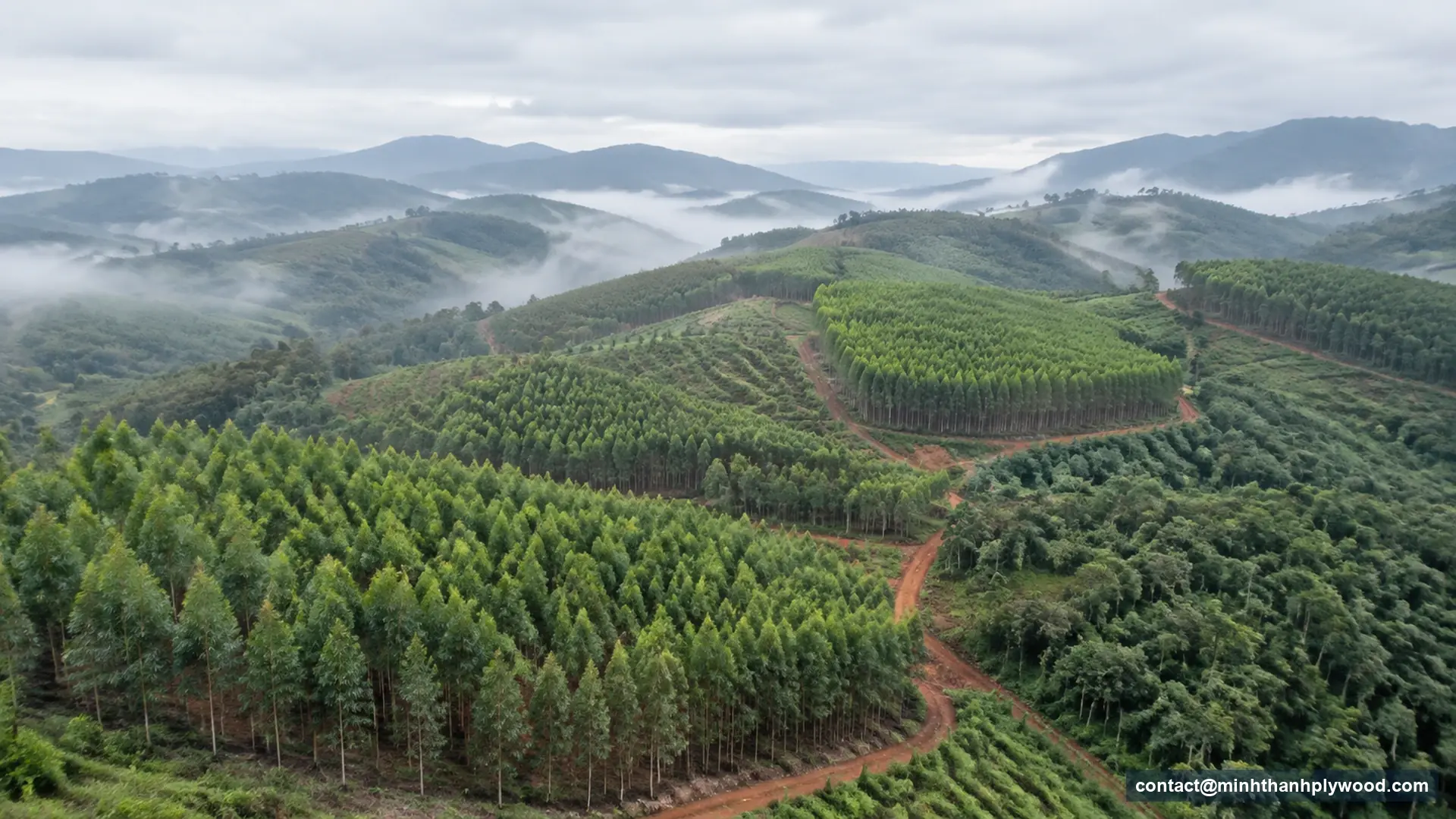
Certificates · EU Deforestation Regulation
Minh Thanh Plywood supplies the EUDR compliance dossier with orders: origin records and geolocation files for the wood in your panels. The dossier connects Vietnamese plantation cores and face-veneer origins to your import due diligence.
Watch the guide
The film explains the origin dossier, plot geolocation, importer duties and the application dates.
The short answer
EUDR is the EU Deforestation Regulation, Regulation (EU) 2023/1115. In-scope plywood must be deforestation-free, legally produced and covered by the operator’s due diligence statement. The EU importer files the statement; the mill supplies the origin information supporting it.
We supply the EUDR compliance dossier with orders, including origin records and geolocation files. For EUDR compliant plywood, the origin review covers core, cross-band, face and back veneers. Match those layers to the product description before entering the shipment in your due diligence system.
Our cores use Vietnamese plantation timber. Face veneers such as birch and okoume have their own supply chains. The dossier lists the production country and species for each wood input, alongside the Vietnamese core records.
Dossier records
The order dossier contains the forestry records and plot data needed to connect the wood inputs to the panels purchased. Files are exchanged directly with your team.
Origin records
Species and forestry records linked to the wood supply.
Plot geolocation
Coordinates and boundary geometry for the relevant production plots.
Order connection
The panel description and shipment quantity tie the origin information to the commercial documents.
Geolocation format
Article 2(28) defines the geometry threshold for wood production plots. A polygon describes the boundary; a point identifies a location within the plot.
| Plot area | Required geometry | Coordinate format |
|---|---|---|
| Up to and including 4 ha | Point or polygon | WGS84 longitude and latitude, at least six decimal digits |
| Over 4 ha | Boundary polygon | WGS84 longitude and latitude, at least six decimal digits |
The dossier, filled in
Use the product specification and the origin dossier together. Each field answers a different question in the importer’s due diligence file.
| Article 9 field | Dossier information | Panel or shipment reference |
|---|---|---|
| Product description | Panel type, construction, thickness, HS code | Furniture plywood, Styrax core, ex 4412 |
| Species | Common and full scientific name per layer | White styrax, Styrax tonkinensis (core) |
| Quantity | Volume and sheet count per order | Matched to the commercial invoice and packing list |
| Country of production | Country per layer | Vietnam (core) |
| Geolocation | Every plot, WGS84 GeoJSON, six decimals | Every production plot for the wood inputs |
| Production date or period | Harvest date or range per plot | Harvest period from the forestry records |
| Deforestation-free | Land use since 31 December 2020 | Plantation-grown timber on production land |
| Legal production | Land and harvest records | Forestry dossier for each plot |
Checked 6 October 2026 against Article 9 and the Commission’s due diligence guidance.
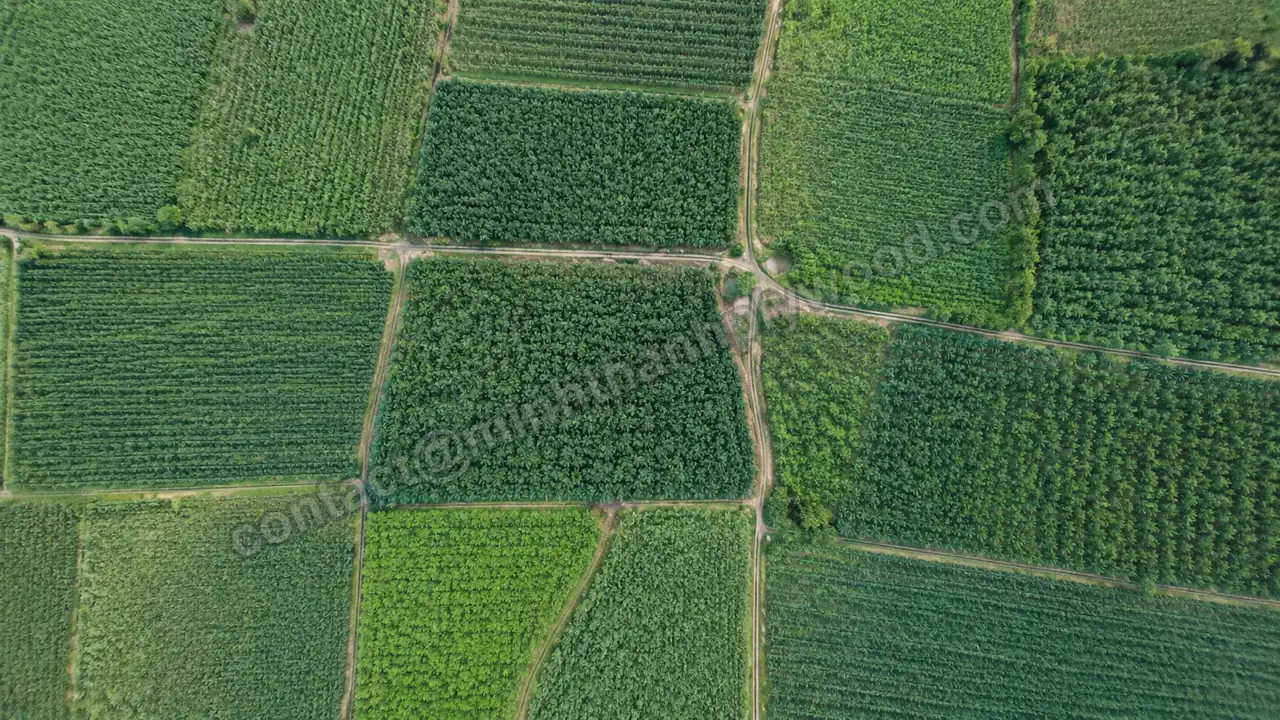
EUDR geolocation
Geolocation identifies every plot where the wood was produced. Coordinates use at least six decimal digits. Wood plots larger than four hectares require a polygon; a point can be used for a plot up to that size.
GeoJSON stores a location or boundary as machine-readable coordinates. WGS84 uses longitude and latitude in decimal degrees. A polygon has a closed outer ring; its last coordinate repeats its first coordinate.
Our geolocation file links each plot to its forestry record, species and harvest period. Plot references stay with the origin records when veneer lots enter production.
WGS84 coordinates recorded to at least six decimal digits.
Boundary polygons for wood plots larger than four hectares.
The order record identifies which wood inputs the geolocation file covers.
Inside the GeoJSON
Each plot is one feature in the file. Besides the shape, it carries the data your due diligence statement draws on.
| Field | What it holds | Example |
|---|---|---|
| Geometry | Polygon for a parcel boundary, point for a small plot | A closed boundary ring or a point |
| Coordinates | WGS84 longitude and latitude, six decimals | Decimal degrees |
| Area | Plot or harvest area in hectares | Area as stated in the land record |
| Species | Common and scientific name | White styrax, Styrax tonkinensis |
| Country | ISO country code | VN |
| Production place | Commune, district and province | As in the forestry dossier |
| Harvest period | Date or range of the harvest | Per plot |
| Land type | How the land is classed | Plantation-grown timber on production land |
| Shipment group | The order or container the plot supplies | Your order reference |
From dossier to DDS
The statement your team files in the EU Information System draws almost every line from our dossier.
| DDS line | Source in our dossier | Your own input |
|---|---|---|
| Operator name and address | Not from us | Your company data |
| Activity | Not from us | Import |
| HS code and description | Product description | Confirm the tariff line |
| Quantity (net mass or volume) | Quantity per order | Total for the shipments the DDS covers |
| Species | Common and scientific names per layer | None |
| Country of production | Country per layer | None |
| Geolocation | Geolocation file for relevant production plots | Check geometry, plot areas and all wood origins before filing |
| Declaration of due diligence | Supported by our land and harvest records | Your signature |
Retain the submitted data together with the final shipment records, so a quantity or origin can be traced back after delivery.
Dates
Regulation (EU) 2025/2650 moved the start dates. The deforestation cutoff did not move.
| Who | Applies from | What changes |
|---|---|---|
| Large and medium operators | 30 December 2026 | Due diligence statement before each placing on the EU market |
| Micro and small operators already under EUTR, including plywood importers | 30 December 2026 | Same date as large operators |
| Other micro and small operators | 30 June 2027 | Later start |
| Cutoff date for land use | 31 December 2020 | Unchanged: no deforestation or, for wood, forest degradation after this date |
| EUTR (Regulation 995/2010) | Replaced from 30 December 2026 | Still applies until 31 December 2029 to timber produced before 29 June 2023 |
Checked 6 October 2026 against EUR-Lex and the European Commission’s current EUDR implementation pages.
Who does what
The importer files, the mill supplies the data, and the furniture maker keeps the reference.
| Role | Who it is | Duty |
|---|---|---|
| Mill (us) | Minh Thanh Plywood, outside the EU | Supplies the EUDR compliance dossier: species, geolocation, harvest period, quantity, legality records |
| Operator | The EU importer placing the plywood on the market | Runs due diligence and files the due diligence statement (DDS) in the EU Information System before customs declaration |
| Downstream operator | An EU furniture maker using DDS-covered plywood | Files no DDS; the first downstream operator collects and keeps the DDS reference numbers |
| Trader | Sells on within the EU | Keeps supplier and customer records; large traders keep the DDS references |
The operator completes the statement before placing the plywood on the EU market.
Low-risk country
Vietnam is low risk. That shortens the importer's work, but the data from the mill is still needed.
| Step | Standard country | Low-risk country (Vietnam) |
|---|---|---|
| Collect the Article 9 information | Required | Required: our dossier covers it |
| Assess the risk | Required | Simplified route after the Article 13 supply-chain checks; full process if relevant concerns arise |
| Mitigate the risk | Required when risk is found | Not required unless the operator learns of a concern |
| File the due diligence statement | Required | Required |
| Share of operators checked each year | 3 % | 1 % |
Checked 6 October 2026: Articles 13 and 16 of Regulation (EU) 2023/1115 and the Commission country classification list.
Next to EUDR
VNTLAS records address legal timber in Vietnam; FSC and PEFC systems support certified supply-chain claims. EUDR adds plot geolocation and the operator’s due diligence statement.
| Question | Document | What we supply |
|---|---|---|
| Wood origin | EUDR compliance dossier | Origin records and geolocation files |
| Panel emissions | Emission certificate and test reports | See the emission documents |
| Packaging materials | Packaging test report | See packaging test details |
| Certified chain of custody | FSC documentation | Available* |
| Legal timber in Vietnam | Vietnam Timber Legality Assurance System (VNTLAS) | The EU–Vietnam Voluntary Partnership Agreement defines VNTLAS for checking legal timber across the supply chain. Origin and forestry records support the legality part of the EUDR dossier. |
| Certified origin and chain of custody | PEFC certification and its EUDR DDS module | PEFC supports source information and chain-of-custody checks; its EUDR module includes geolocation and due diligence requirements. The operator files the EUDR statement. |
*FSC is supplied directly or through qualified partner mills.
Checked 6 October 2026 against the EU–Vietnam VPA and PEFC’s EUDR due diligence standard.
Every layer
EUDR covers every piece of wood in the product. In a furniture panel that means core, cross-band, face and back.
| Layer | Typical wood | Origin data we supply |
|---|---|---|
| Core veneers | White styrax (Styrax tonkinensis) or eucalyptus | Plot geolocation, harvest period and land records from the plantation |
| Cross-band veneers | Same plantation species as the core | Same plantation records as the core |
| Face and back | Poplar, engineered veneer, birch, okoume or pine | Supplier origin records per veneer lot, passed into your dossier |
| Glue | Resin, not wood | Outside EUDR |
By product
Every panel we ship to Europe comes with the dossier. What it traces depends on the layers in the panel.
| Panel | Wood layers traced | Origin records to check |
|---|---|---|
| Furniture plywood (birch, poplar, EV, okoume, pine faces) | Plantation core and cross-band, plus imported or local face veneer | Plot and species records for each wood input |
| Thin plywood 3–6 mm | Core veneers and two faces | Plot and species records for each wood input |
| Film-faced and construction plywood | Plantation core and faces; film and glue are not wood | Plot and species records for each wood input |
| Packing plywood | Plantation veneers throughout | Plot and species records for each wood input |
| LVL | Plantation veneers glued parallel | Plot and species records for each wood input |
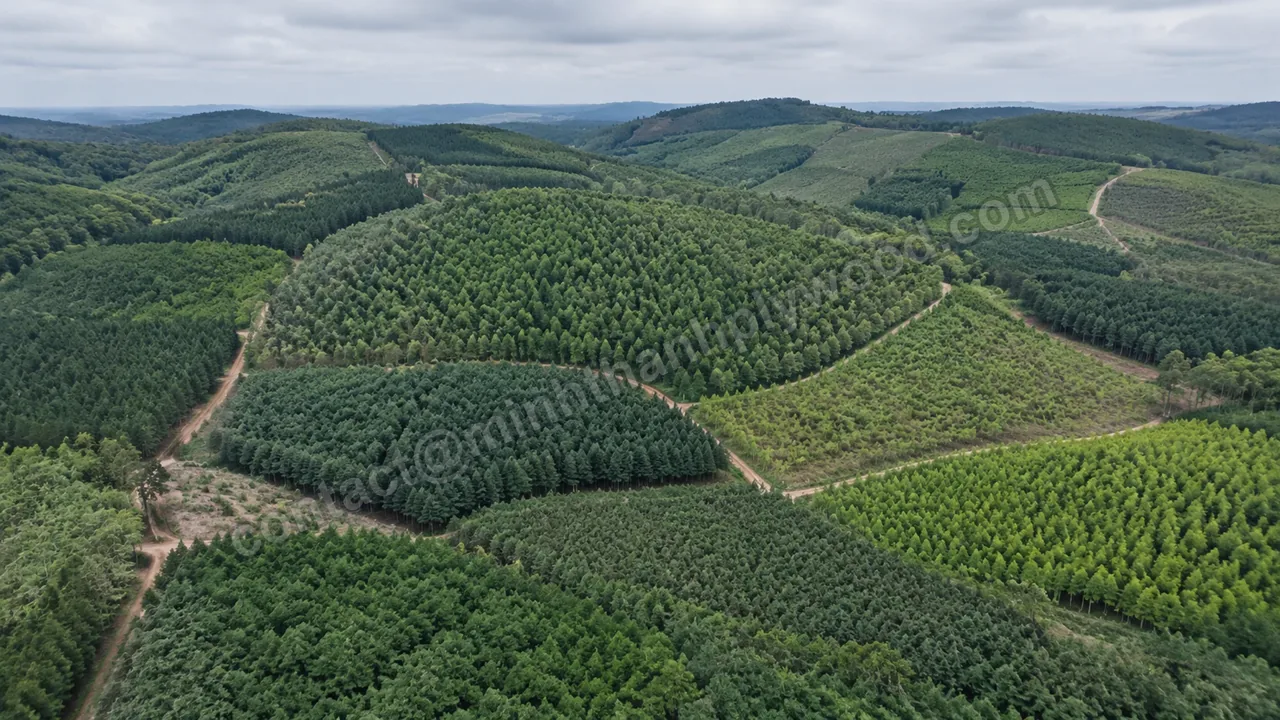
Plantation timber
Styrax and eucalyptus plantation timber supplies the core of our furniture and commercial plywood. Origin records connect the harvested timber to the production plots rather than relying on a country name alone.
For wood, EUDR considers both deforestation and forest degradation after the cutoff. Land-use and harvest records support that assessment. A current photograph of planted trees is useful context; the dated land history establishes what happened on the plot.
Our factory is in Ha Hoa, Phu Tho, within the northern Vietnamese plantation supply area. Keep the forestry document references linked to the veneer inputs when checking the completed panel dossier.
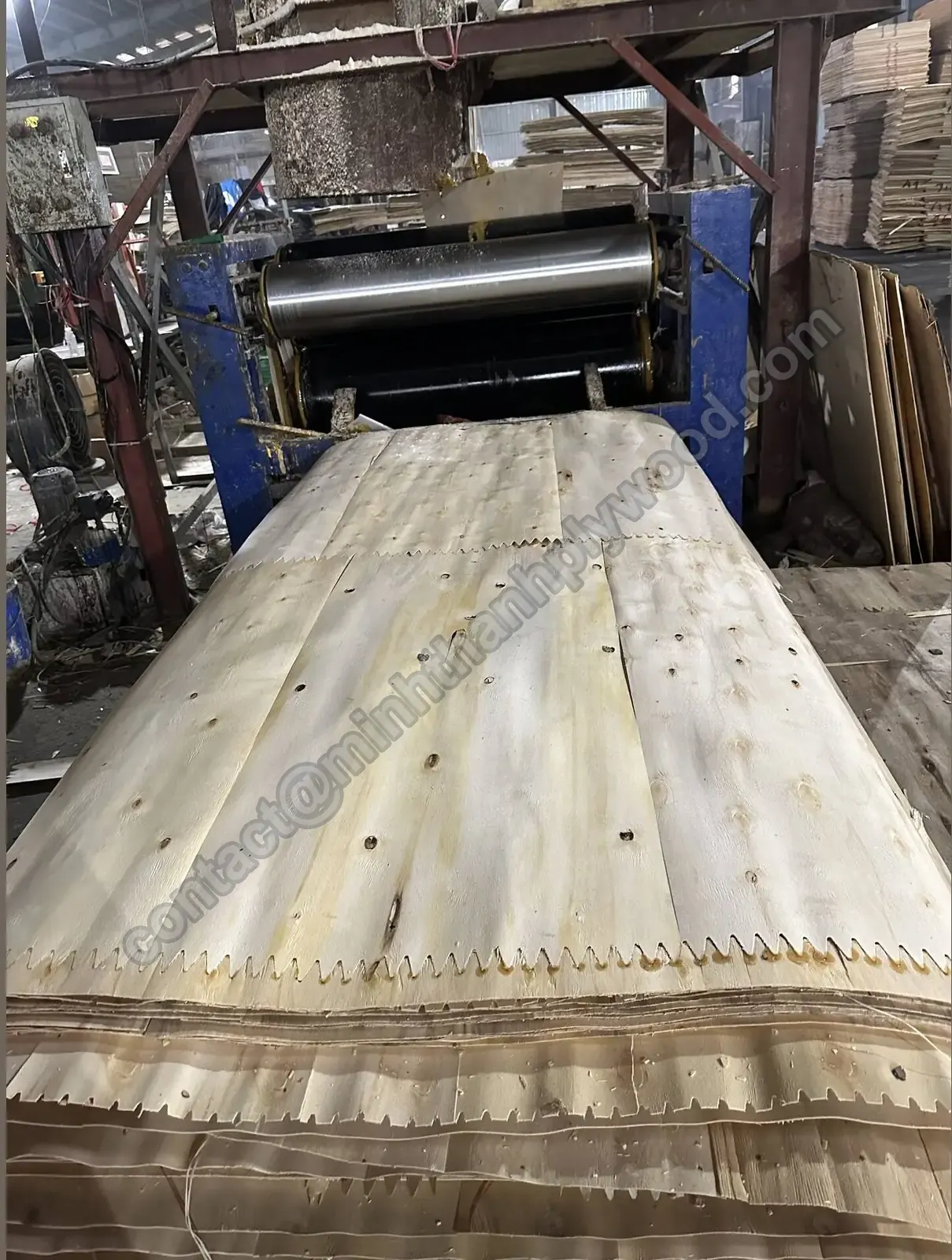
Imported faces
Our furniture panels often carry imported face veneers, such as birch or okoume, chosen for the look you order. Each face veneer lot arrives with origin records from its supplier, and we pass that data into the dossier for your container.
Poplar, engineered veneer and pine faces follow the same route. You receive one dossier that covers every layer, so your statement does not depend on chasing a second supplier.
A panel specification identifies the face and back separately from the core. Confirm the species and production country for each wood layer in the order dossier, including the inputs used to make engineered veneer.
Batch to container
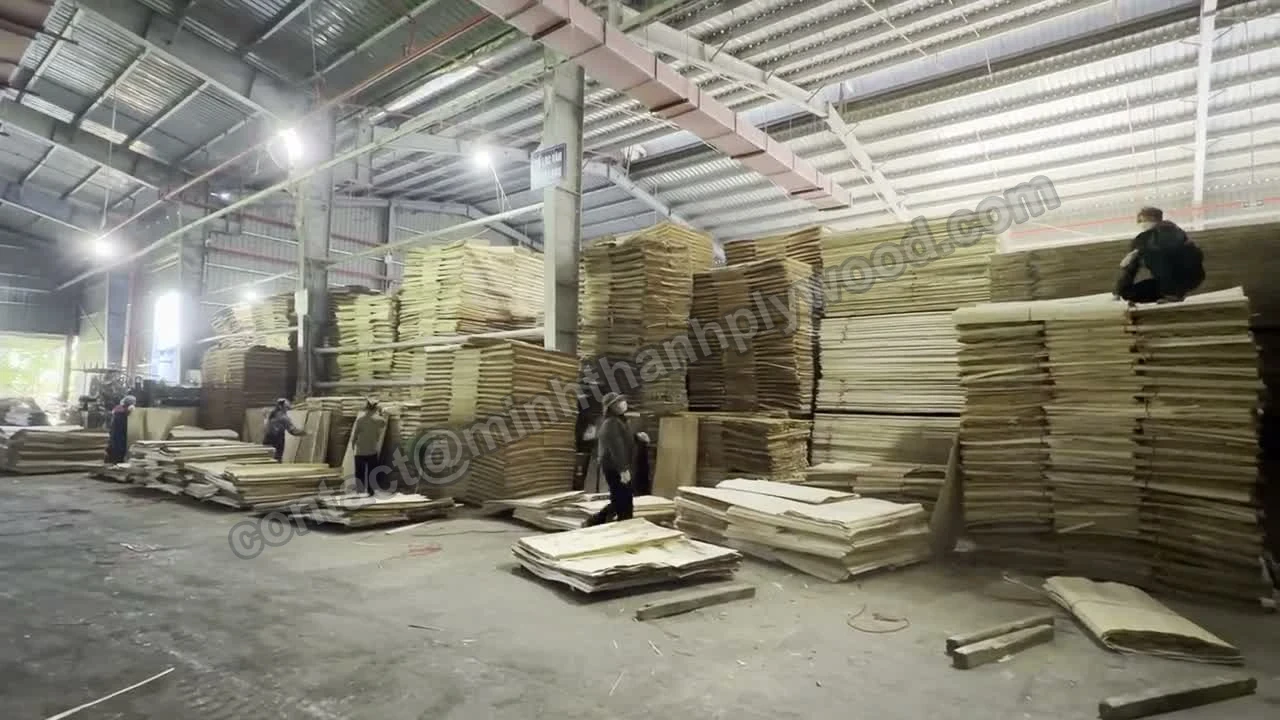
At veneer intake, we record the lot, plot reference, species and quantity with the forestry documents. These records connect the core veneer to its plantation origin.
The production batch identifies the intake lots used in the panel. The pack label and packing list carry that batch connection through to the shipment.
Your dossier brings the plot and harvest records together with the panel description and shipped quantity. The importer uses those documents to complete the due diligence statement.
The veneer receipt links the lot and quantity to the forestry record and plot reference.
The production record identifies the veneer lots used in each batch.
Pack labels and the packing list connect the batch to the panels loaded.
Documents
With the order, we supply the origin dossier and geolocation files linked to the panels. Keep the accepted dossier and supporting import records for five years.
Origin and species records
Common and scientific names, production countries, plot references and the corresponding forestry records.
Geolocation file
WGS84 GeoJSON with points or plot-boundary polygons and the associated harvest period.
Batch and shipment connection
Intake lots connect to production batches; pack labels connect the finished panels to the packing list.
Commercial documents
Invoice, packing list and B/L identify the shipped panel specifications and quantities.
Grower data
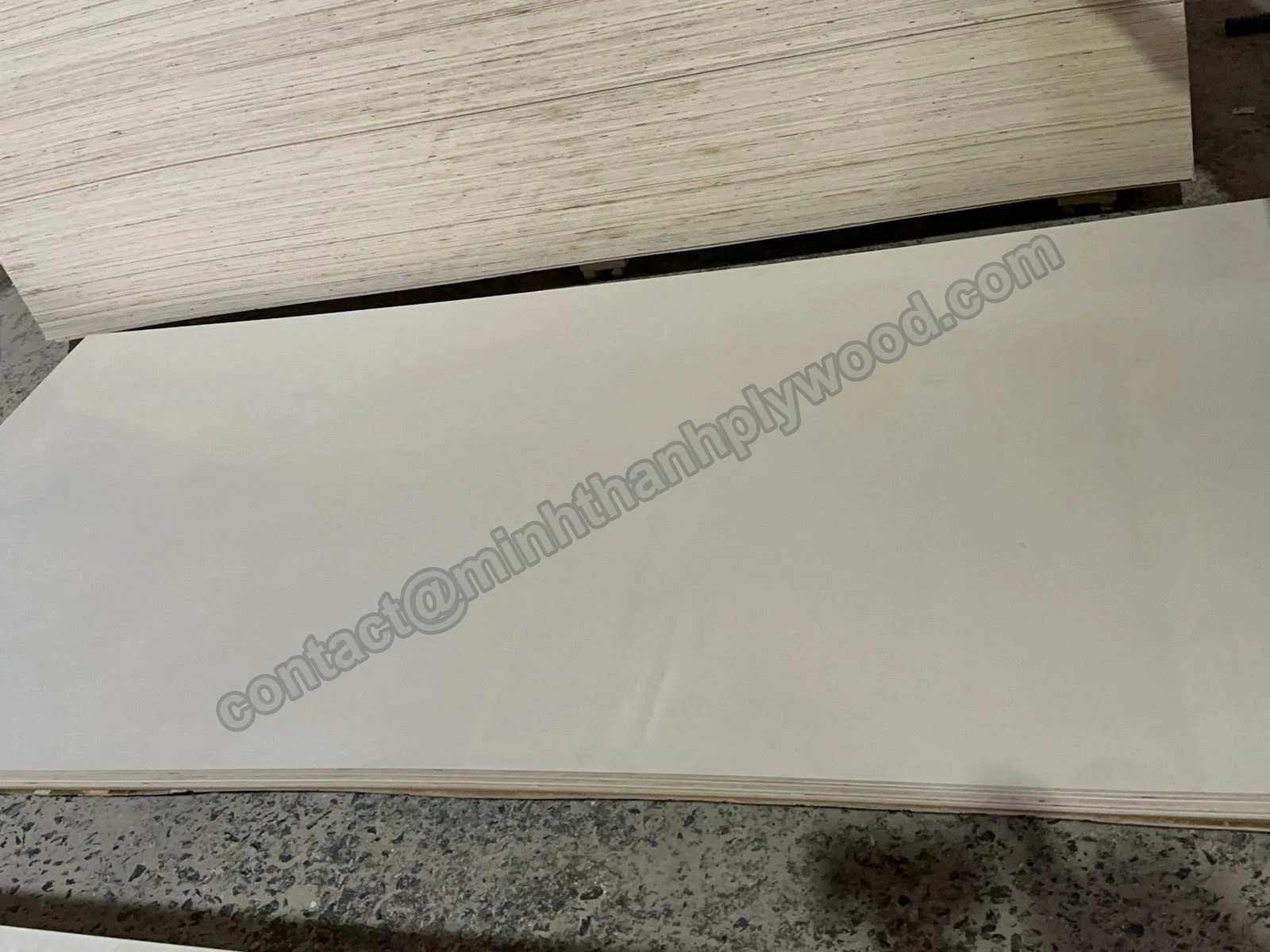
Origin documents can contain grower identities, land-title details and plot locations. The buyer receives the necessary dossier directly for its due diligence and recordkeeping.
Public product pages describe the document structure and the information required. Household names and private GeoJSON files are kept out of the website.
Verify us
Check the dossier fields against the ordered panel and the Commission’s guidance before filing your statement.
Open the geolocation file and compare plot positions and areas with the origin records. Review dated land-use evidence for deforestation and forest degradation.
Every layer needs a common and a full scientific name, for example Styrax tonkinensis for our white styrax cores.
Volumes in the dossier should match the invoice and packing list for the same container.
Check the production country for every wood input against the Commission’s current country classification list. Vietnam is low risk.
EUR-Lex: 2025/1093Before 30 December 2026
What EU importers of plywood do now so the first 2027 shipments clear on time.
Create the operator account your company will use to file due diligence statements.
Request the species, geolocation, harvest period, quantity and supporting origin records for the intended panel.
Check the file format and field acceptance in the EU Information System test environment before the live statement.
Write 'EUDR compliance dossier per container' into your purchase order and payment terms.
The DDS reference must exist before the import declaration is lodged.
FAQ
Request the dossier for your panel
Send the face, core and destination with your enquiry. Lisa replies within hours.
Request an EUDR dossierYes. Regulation (EU) 2025/2650 set 30 December 2026 for large and medium operators and for micro and small operators already under EUTR, which includes plywood importers. Other micro and small operators start on 30 June 2027. The cutoff stays at 31 December 2020. Plan your due diligence system and supplier data now; the first statements are due for goods placed on the market from that day.
Yes: our panels ship with the EUDR compliance dossier, including origin records and geolocation files. The dossier covers Vietnamese plantation cores and the face-veneer inputs. The EU importer completes its due diligence and submits the statement using that information.
Yes. EUDR covers cattle, cocoa, coffee, oil palm, rubber, soya and wood, and the products listed in Annex I. Plywood is in scope under ex 4412, except used and second-hand products. The EU importer placing in-scope plywood on the market submits the due diligence statement.
The EU importer, as operator, files it in the EU Information System. The mill supplies the origin data. A furniture maker using DDS-covered plywood is a downstream operator and files none. Large traders keep the DDS references of their suppliers as well.
No. EUDR has no certificate or product mark. What a mill can supply is the origin data, and we supply it as the EUDR compliance dossier with every order. Treat any offer of an 'EUDR certificate' with care and ask for the data instead.
Request common and scientific species names, plot geolocation, harvest period, quantity and supporting land and harvest records. Match the origin information to every wood layer and the shipment documents. GeoJSON uses WGS84; wood plots over four hectares require boundary polygons.
The coordinates of every plot the wood came from, with at least six decimals. Plots over four hectares need a polygon. We deliver it as a WGS84 GeoJSON file per order. Each plot carries its species, area and harvest period in the same file.
No. A certified-chain claim and EUDR due diligence answer different questions. The operator still collects origin and geolocation information and files the required statement. Use the certificate documentation alongside the origin dossier.
No. One statement can cover several shipments within its declared scope and quantity. The reference must exist before each import declaration is lodged. Reconcile the cumulative quantity as containers ship; our dossier gives the volume per container.
Vietnam’s low-risk classification allows the Article 13 simplified route for qualifying sourcing. Information collection, supply-chain checks and the statement remain required. If relevant information indicates non-compliance or circumvention, the operator completes the full due diligence process.
No. The cutoff stays at 31 December 2020. Plots must show no deforestation, and for wood no forest degradation, after that date.
We supply the origin records and geolocation files with the order. Send the receiving contact and your dossier requirements during purchasing, and reconcile the final documents with the invoice and packing list before import.
Faces, core, thickness, quantity and destination. MOQ 1×40HC, free samples. Replies within hours by email or WhatsApp +84 988 586 601.